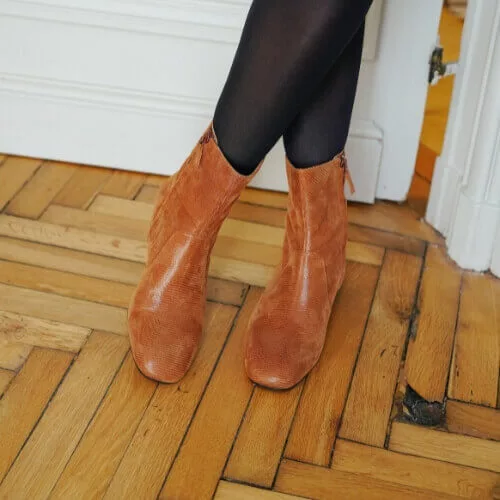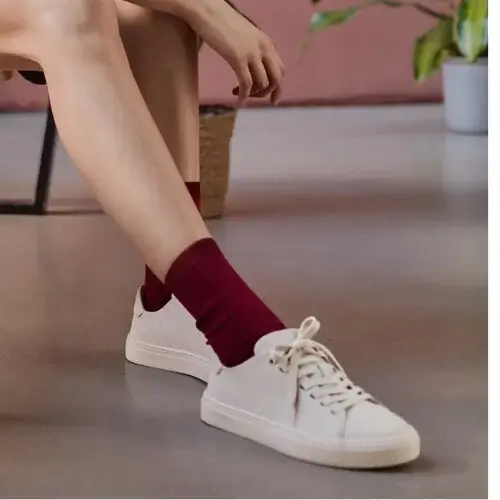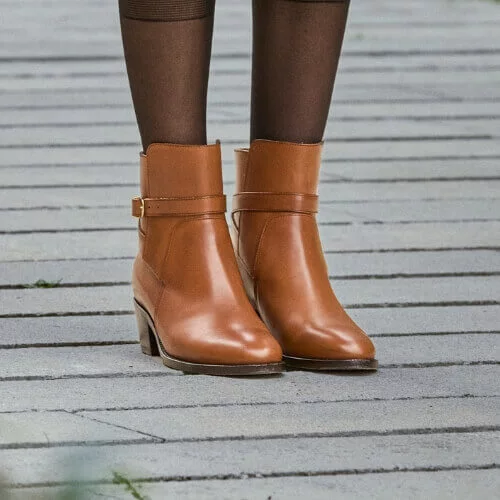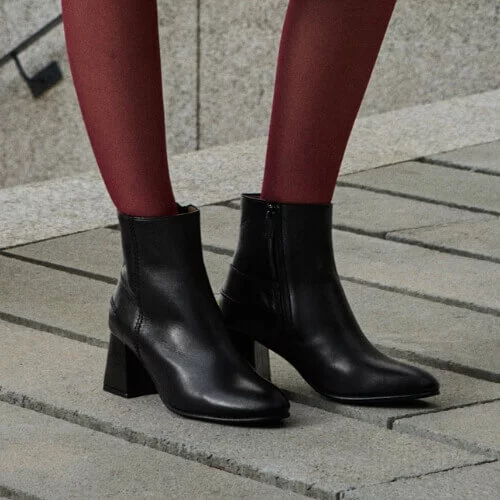


WHAT IS VELVET CALF?
To fully understand what suede calfskin is, and how it differs from nubuck, we need to look at the different stages in the production of a leather hide.
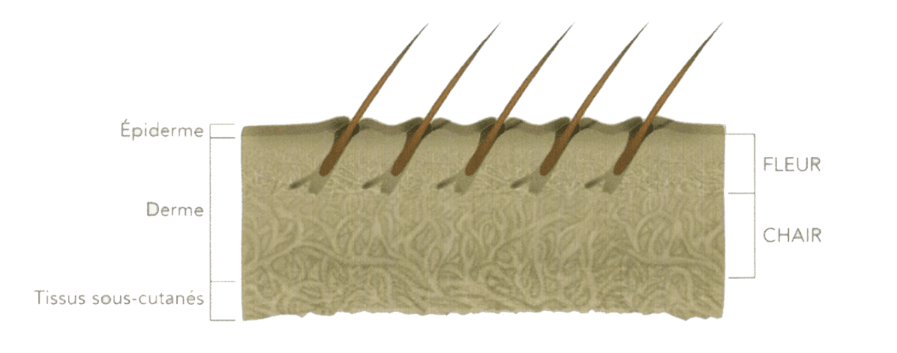
Once the hide has been tanned, i.e. transformed through a series of operations from putrescible (which can rot) and moist to rot-proof and dry, it is then slit and split. This skin is then split in two. This is called splitting. Logical name, isn't it? Once the hide has been split, it divides into two parts:
- The hide, the upper part of which is the epidermis and the hair follicle. This is the noblest part, and the one we use for our shoes.
- Leather crust.
WHAT IS NUBUCK?
Now it's nubuck's turn. A word that, to the ear, sounds more like a species of rare Finnish bird than a form of leather. In fact, it's a word derived from English, an alteration of new and buck (the male of certain animals, usually ruminants).
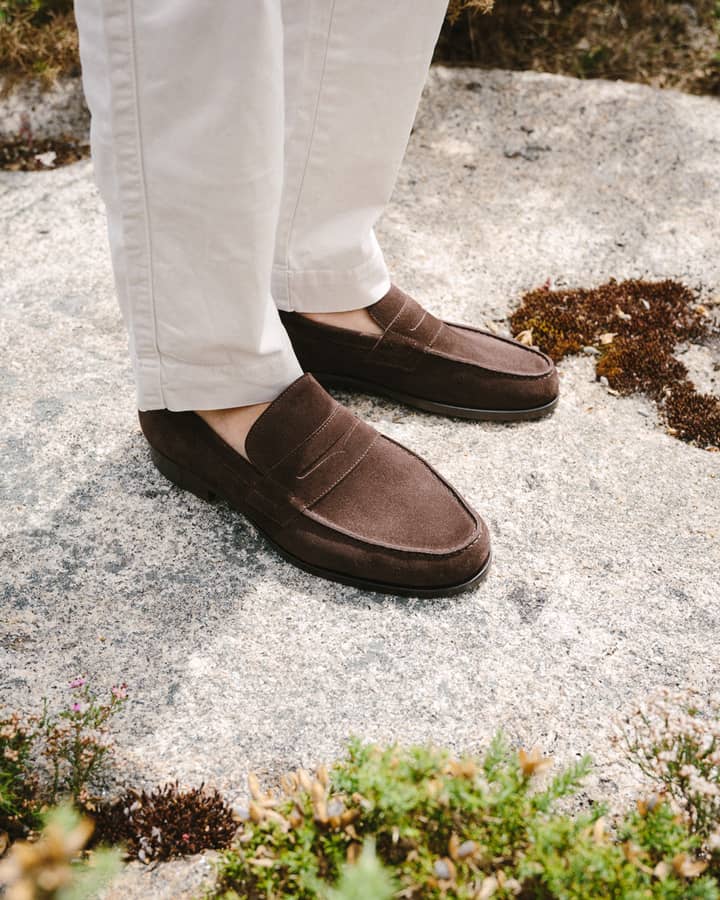
Here, it's not the “fleshy side” of the skin that interests us, but the flower. In fact, nubuck is a full-grain hide that is lightly sanded with an abrasive material to give it a fluffy appearance. It's a delicate process, and in no way intended to mask any imperfections. High-quality leather is needed to produce nubuck.

AND WHAT ABOUT SUEDE?
“Cervid ruminant mammal with webbed antlers and a white spotted coat, known in the wild in Mediterranean Europe and the Near East, and bred for pleasure in many parks” according to the Larousse. That says it all. This splendid, elegant animal, inhabitant of certain large game-filled areas, is a protected species. Once upon a time, its supple chamois skin was used for clothing: suede gloves, for example.
The suede in shoes is not what it seems...
But today, to speak of suede when referring to a form of leather is to use a generic term that includes nubuck and suede calf. It's simply a common name that retains a timeless charm. The English refer to suede leather and nubuck calfskin as suede leather.
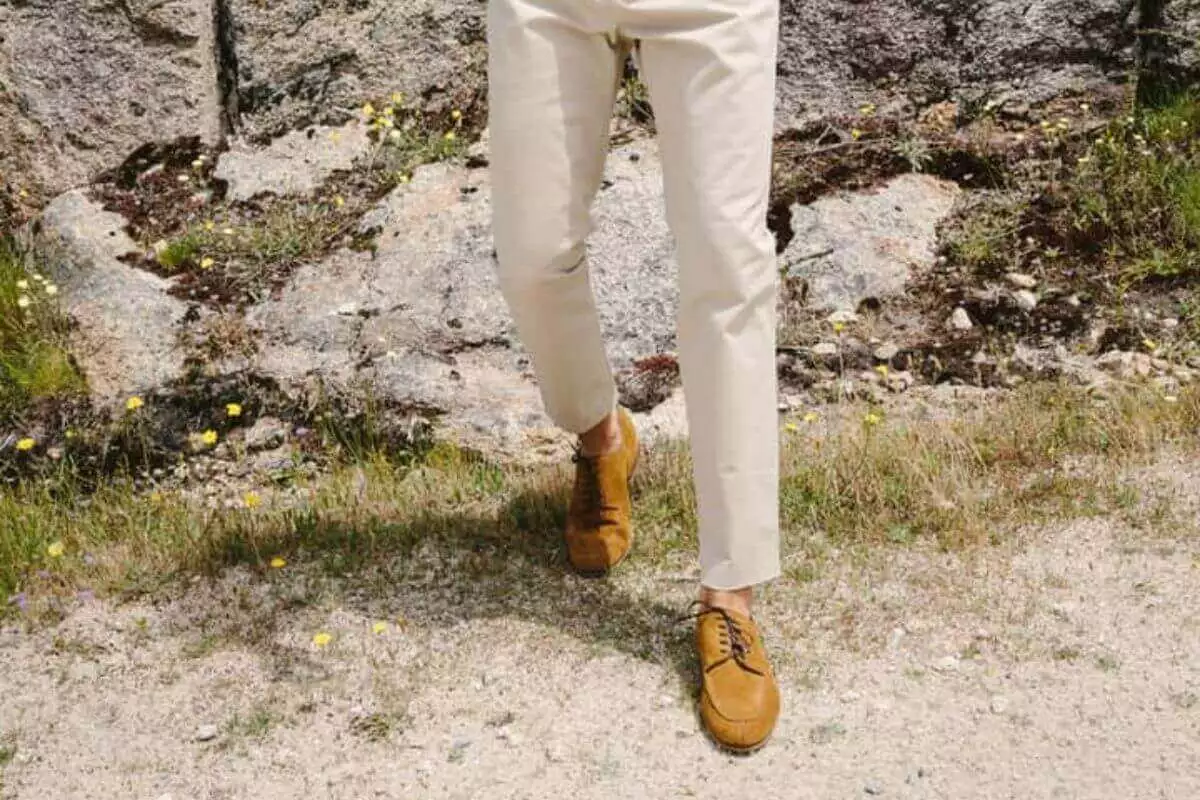
THE ELEGANCE AND COMFORT OF SUEDE
After this somewhat technical presentation, it's time to let the heart speak. After all, there's no point in explaining to you what goes on behind the scenes if we can't tell you why we love this material. At In Corio, we have a particular fondness for this type of leather, and for suede calfskin in particular, because it alone conveys the DNA of our brand: casual elegance without headaches. Suede has always been synonymous with relaxation and refinement. Two words that suit us well.
This casual elegance goes hand in hand with instant comfort. A suede shoe molds itself around the foot like a slipper.
How many people wear nothing but suede all year round? Plenty. That's a sure sign. This comfort is also matched by a robustness that is no match for classic leather.
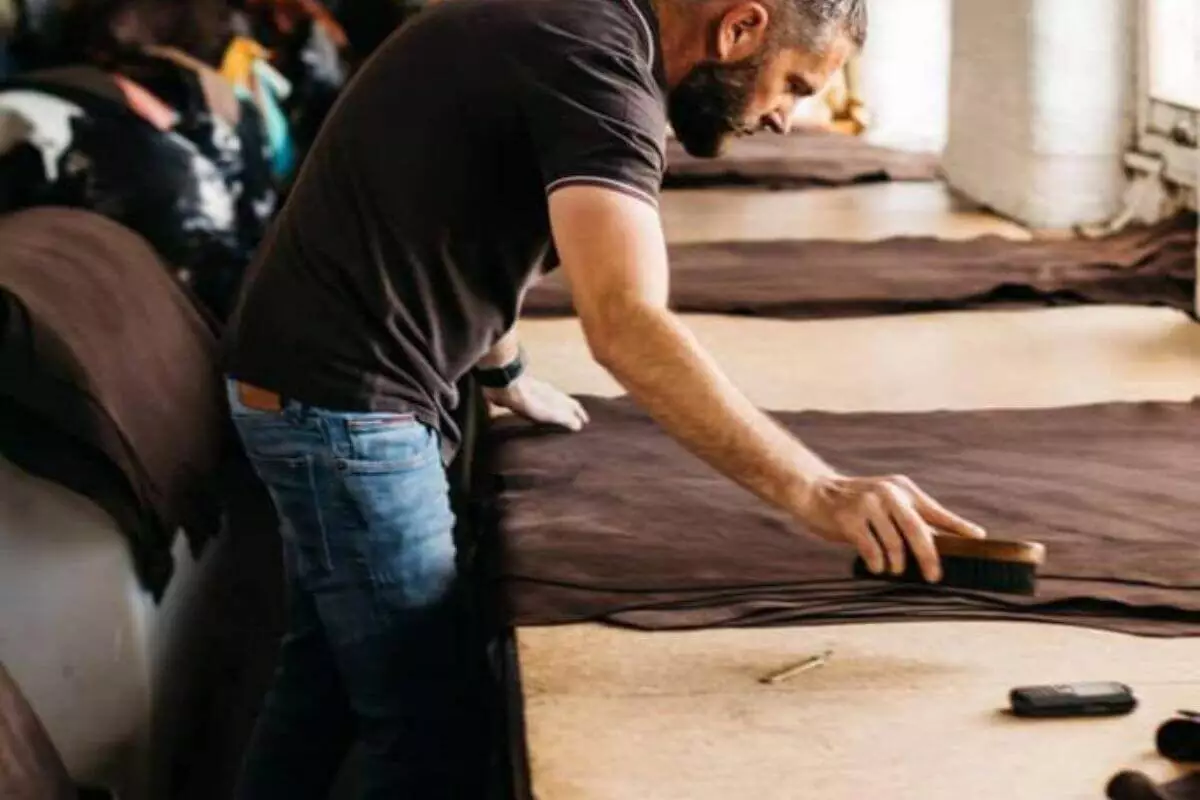
Let's face it: it's a cliché to believe that suede is fragile. A top-quality suede, such as we carefully select from the finest English and Italian tanneries, passes the years with insolent youthfulness. It has the same qualities of resistance, breathability and elasticity as smooth leather. And it undergoes the same tanning process that gives it these superior qualities.
In short, as you can see, the relationship between suede and In Corio is a long and beautiful one.
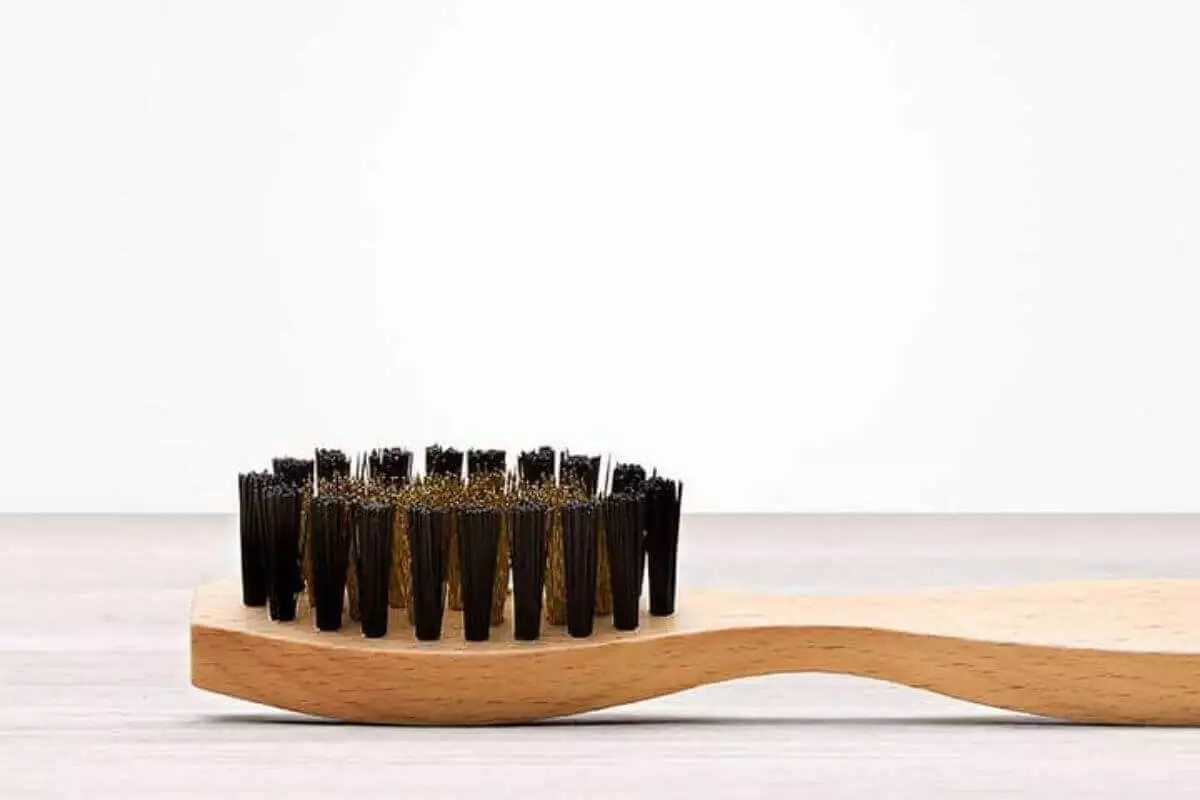
NUBUCK AND SUEDE CALF: HOW TO CARE FOR THEM?
For this chapter, we refer you to our blog post published on April 28: How to clean suede shoes? You'll learn everything you need to take care of your suede shoes (nubuck and velvet). And rest assured, it's incredibly simple. Contrary to popular belief, suede is a durable material and not at all difficult to maintain.
Of course, if you have any further questions after reading the article, we’ll be happy to answer them. Just send us an email. And for those who’d like an expert opinion on our Théo derbies, our friends at the reference blog Comme un Camion shared their thoughts !
The Art of Patina: Elevate Your Shoes