Skates and irons: Protecting your leather shoes

When it comes to protecting leather soles with skates and irons, there are clearly 2 schools of thought. We've been on both sides for years: it's simple, we see only advantages!

Have you just purchased a pair of In Corio shoes? Here are the top 3 tips for protecting your leather shoes and keeping them looking their best for as long as possible:

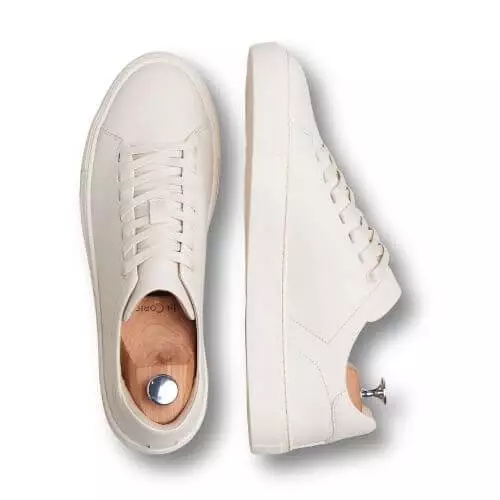
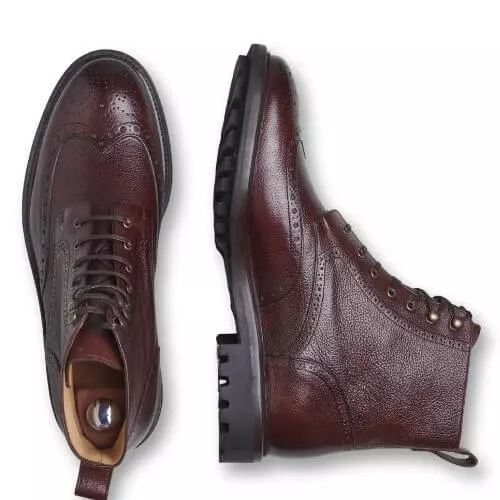
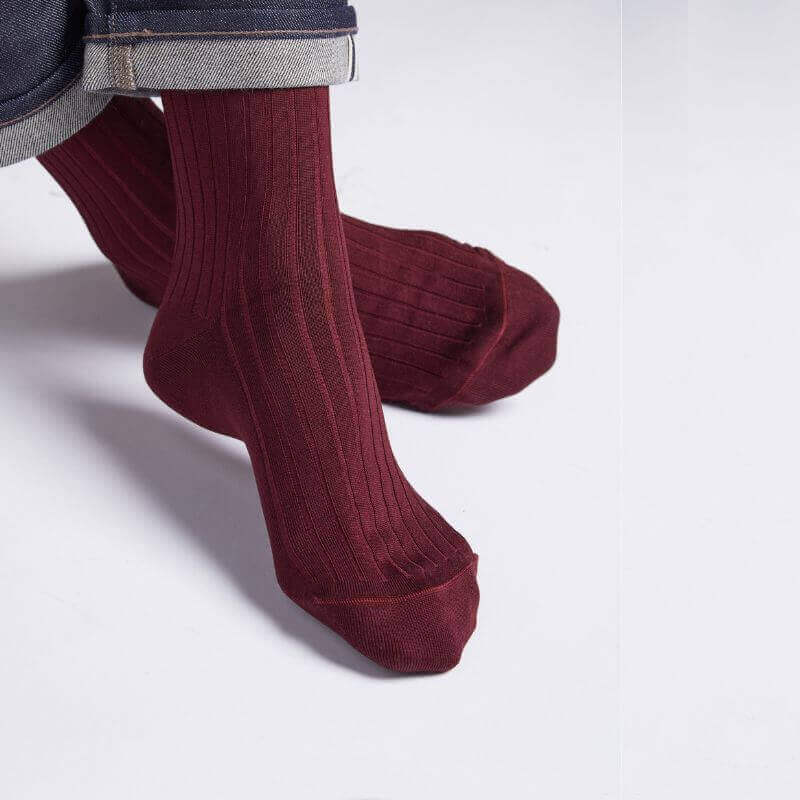
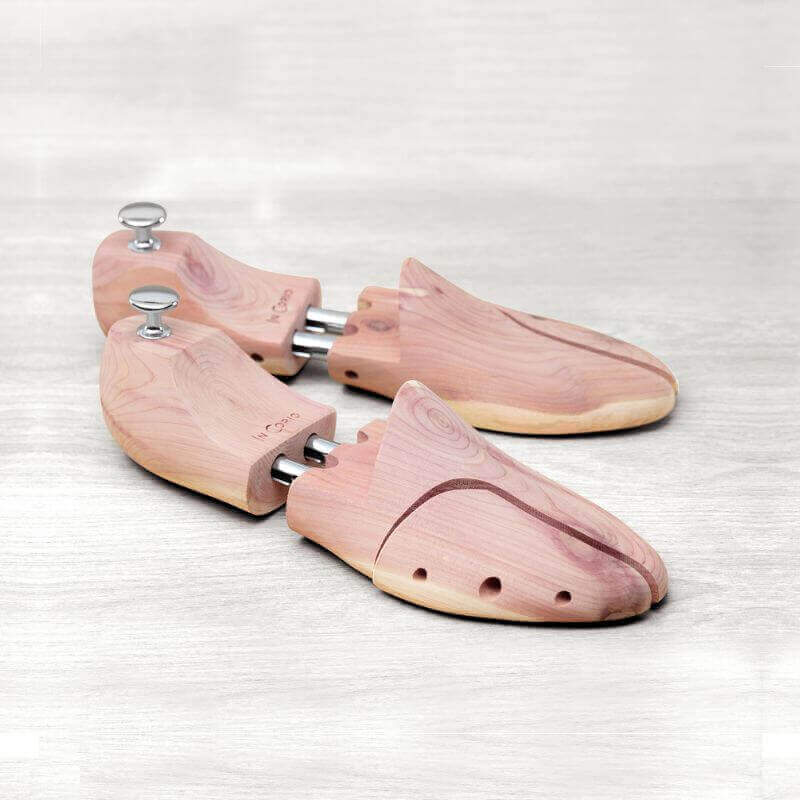
1- Slip on cedar shoe trees after each wear to preserve the shape of your shoes, effectively absorb moisture and reduce walking creases.

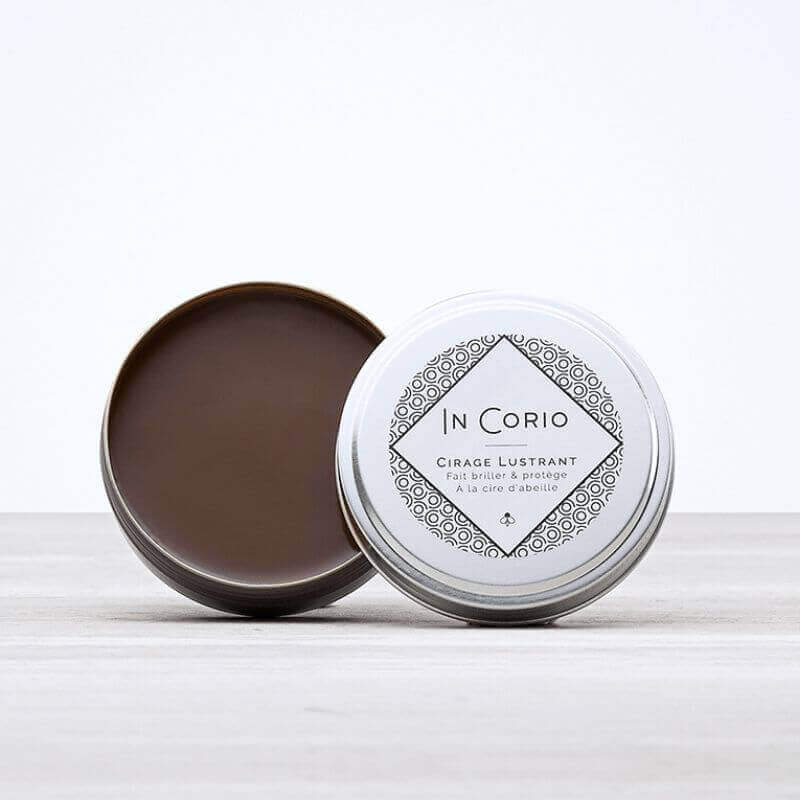
2- Regularly brush, clean, wax and polish your shoes.

3- Finally, visit the cobbler to have your shoes fitted with runners and irons...

Skates, irons and heel tips: the essentials at a glance

A skate is a thin rubber sole glued under the leather sole, an iron is a metal piece set into the front of the shoe, and the bonbout is the rubber that covers the heel: three complementary protections that prevent wear on the original sole.

ProtectionWhereRoleWhen to fit it
SkateUnder the front of the leather soleGrip, protection against water and wearAfter 5 to 10 wears, once the sole has settled to your foot
Inset ironAt the tip of the soleProtects the area most exposed to knocksAt the same time as the skate
Bonbout (heel tip)Under the heel (already fitted)Cushions the impact of walkingTo be replaced when worn

Rubber soles, on the other hand, need none of these interventions: they are ready to take on the city from day one.

Why put glides on your leather soles?

The soles of your shoes are made of leather, and you'd certainly like to be able to count on them every time you wear them, and for a long time to come? 

After 5 to 10 ports (the time it takes to make the leather soles fit your feet), we recommend that you take your shoes to a shoemaker to have glides and inset irons fitted. If the weather is rainy, this operation should be carried out as soon as possible to prevent the soles from getting wet, as this would accelerate wear and leave your feet wet.

By protecting the soles from the elements and wear, skids extend the life of your shoes and, in the long run, avoid the need for costly respraying (when the skid is worn, you only have to change the skid). What's more, the skate gives you better contact with the ground and prevents you from slipping.

Choose a thin rubber glide that offers flexibility, grip and protection, while remaining aesthetically pleasing. The slight extra thickness doesn't change the line of the shoe, as the edge of the skate is beveled to finish.

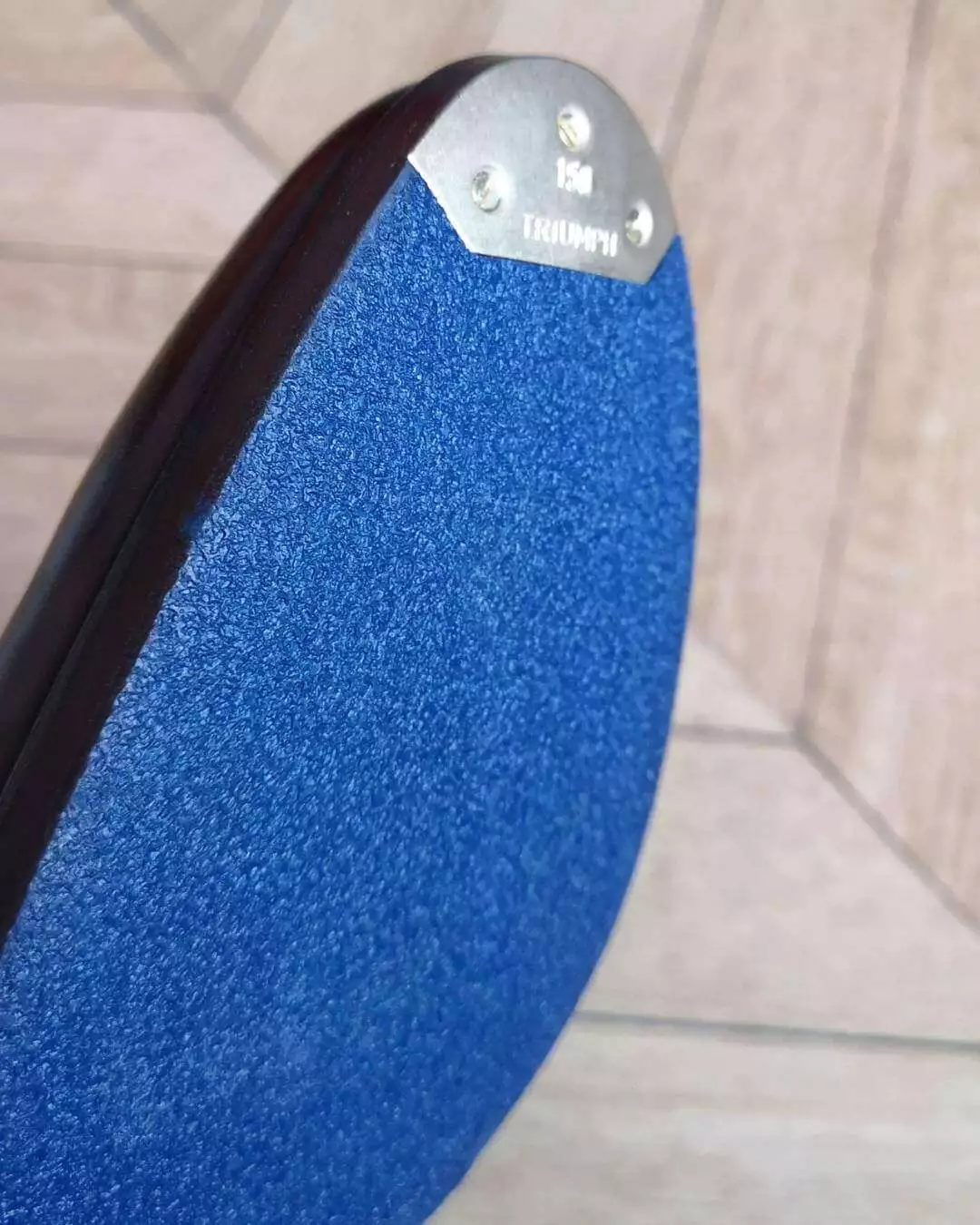
Your shoemaker should match the color of your shoe (usually black or brown), and some even offer blue, like the color of our soles, which is even better (don't hesitate to ask)!

In Corio boutiques offer this service.

Skates and walking comfort

The skate does not only protect the sole: by adding a thin layer of rubber under the ball of the foot, it complements the cushioning of the high-density latex sole of our shoes and makes walking safer on wet cobblestones or smooth floors.
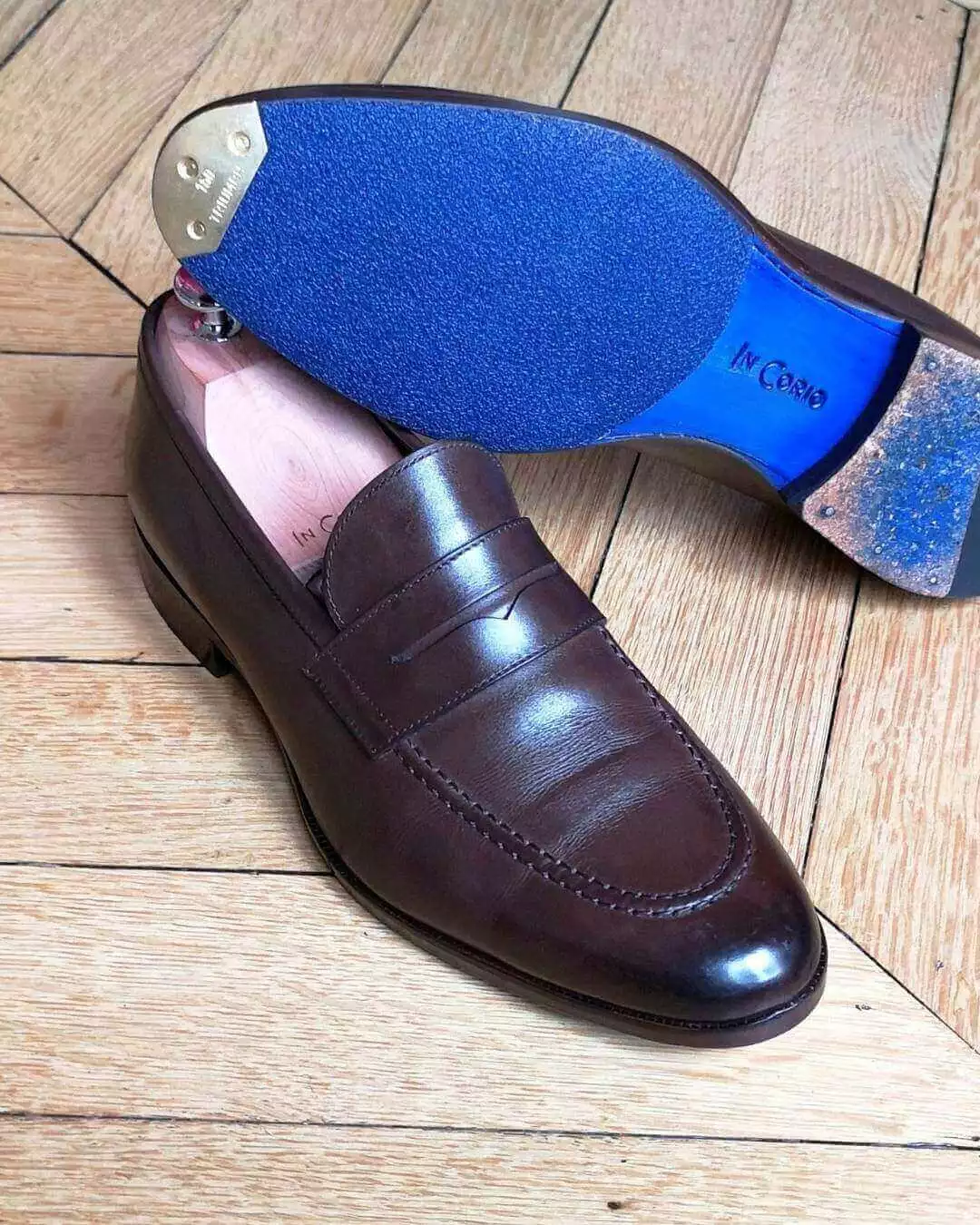
Add inset irons to the toe of the shoe

To protect the front of the sole, the shoemaker will add an iron. This is the area most exposed to impact when walking. There are various models, the most common being a silver-plated half-moon. Whichever model you choose, make sure it's nailed or screwed in place. This way, the iron fits into the line of the sole, avoiding deforming it and preventing unwanted rattling when walking.

Some prefer the nail, as it causes less damage to the leather when the shoe is replaced. Others praise the screw's superior grip and aesthetics. For us, after years of wearing the options, both are equally valid. 

Your shoemaker will surely have a preference. On the other hand, we don't recommend having an iron fitted to the heel. The rubber (bonbout) in the heel is designed to absorb the shock of walking. You can easily change it when it wears out.

Good to know: inset skates + irons have a lifespan of one to two years, depending on how often you wear your shoes. You can then have them replaced without having to resole your shoes.

And when it is time to resole?

Even well protected, a sole eventually wears out. As our shoes are Blake-stitched, they can be resoled without difficulty by a good cobbler: the upper carries on living and developing its patina. Skates and irons simply put this moment off by several years. Moreover, once they are worn, you only need to replace the skates and irons, without having to change the whole leather sole.

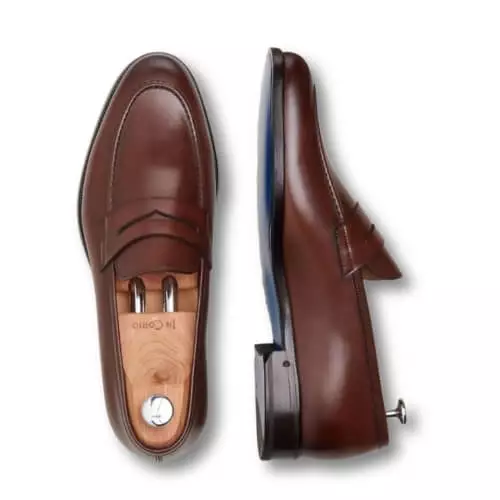
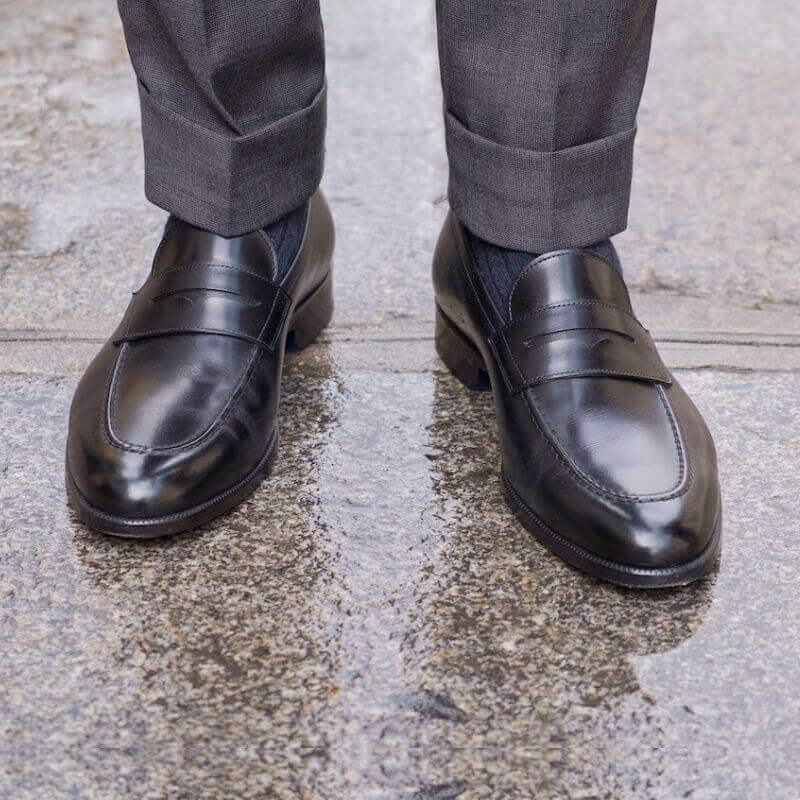
The Paul penny loafer after the installation of skates and irons

After wearing them a dozen times in dry weather, we entrusted these moccasins to our experienced shoemakers.

The craftsman took great care in fitting the runners and irons, and you'll be amazed at the result! 

If you had any doubts about the aesthetics of such an operation, don't you agree? Take a look at how these inserts fit into the line of the shoe.
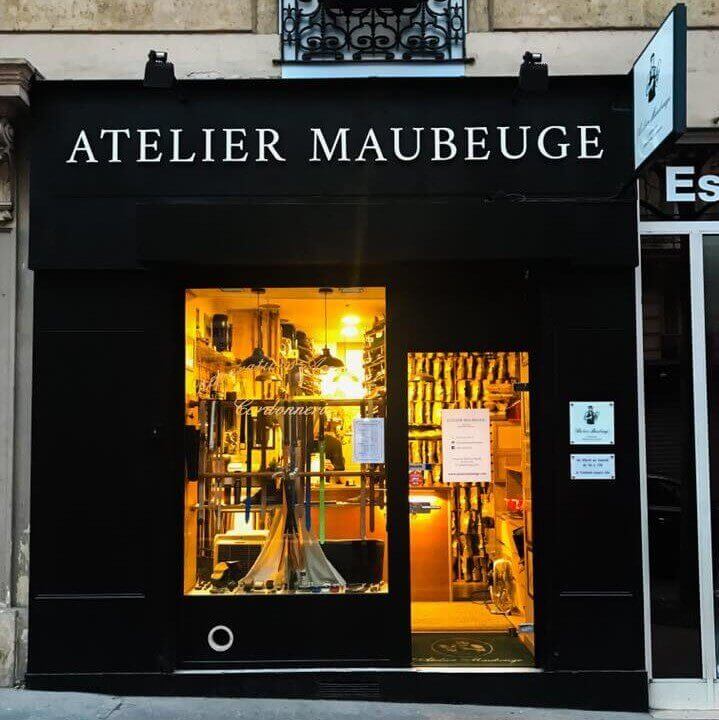
In Paris, for example, you can rely on Atelier Maubeuge for impeccable workmanship and skates that match the blue of our soles! 

And of course, In Corio offers this service of fitting skates and inset irons directly in its boutiques in Saint Germain des Prés and Le Marais. Don't hesitate to ask when you visit our stores!

📍In Corio – Saint Germain des Prés 33, rue du Dragon 75006 Paris

📍In Corio – Le Marais 16, rue Pavée 75004 Paris


PS: Our Paul loafers in brown and black leather, or brown suede are available on the e-shop or in store.
FAQ

When should you put a skate on a shoe?

After 5 to 10 wears, once the leather sole has settled to your foot; sooner if the season is rainy. It can also be done on a new sole, but as it has not yet taken the shape of your stride, the comfort will be stiffer at first.

Does a skate damage the leather sole?

No. Fitted by a cobbler, it is glued onto a lightly sanded sole and can be replaced without touching the construction. If anything, it is the skate that wears down instead of the sole.

Do you need skates on a rubber sole?

No: rubber already offers grip and water resistance. Skates and irons only apply to leather soles.

Protecting your leather shoes from the rain: the right steps
Why is polishing your leather shoes essential?

Your cart
There are no more items in your cart
MARC MARC
ÉTIENNE ÉTIENNE
ARTHUR ARTHUR
PAUL PAUL
MARTIN MARTIN
VICTOR VICTOR
LUC LUC
EDMOND EDMOND
HENRY HENRY
EDGARD EDGARD
JULES JULES