

Why choose the right leather for your shoes?
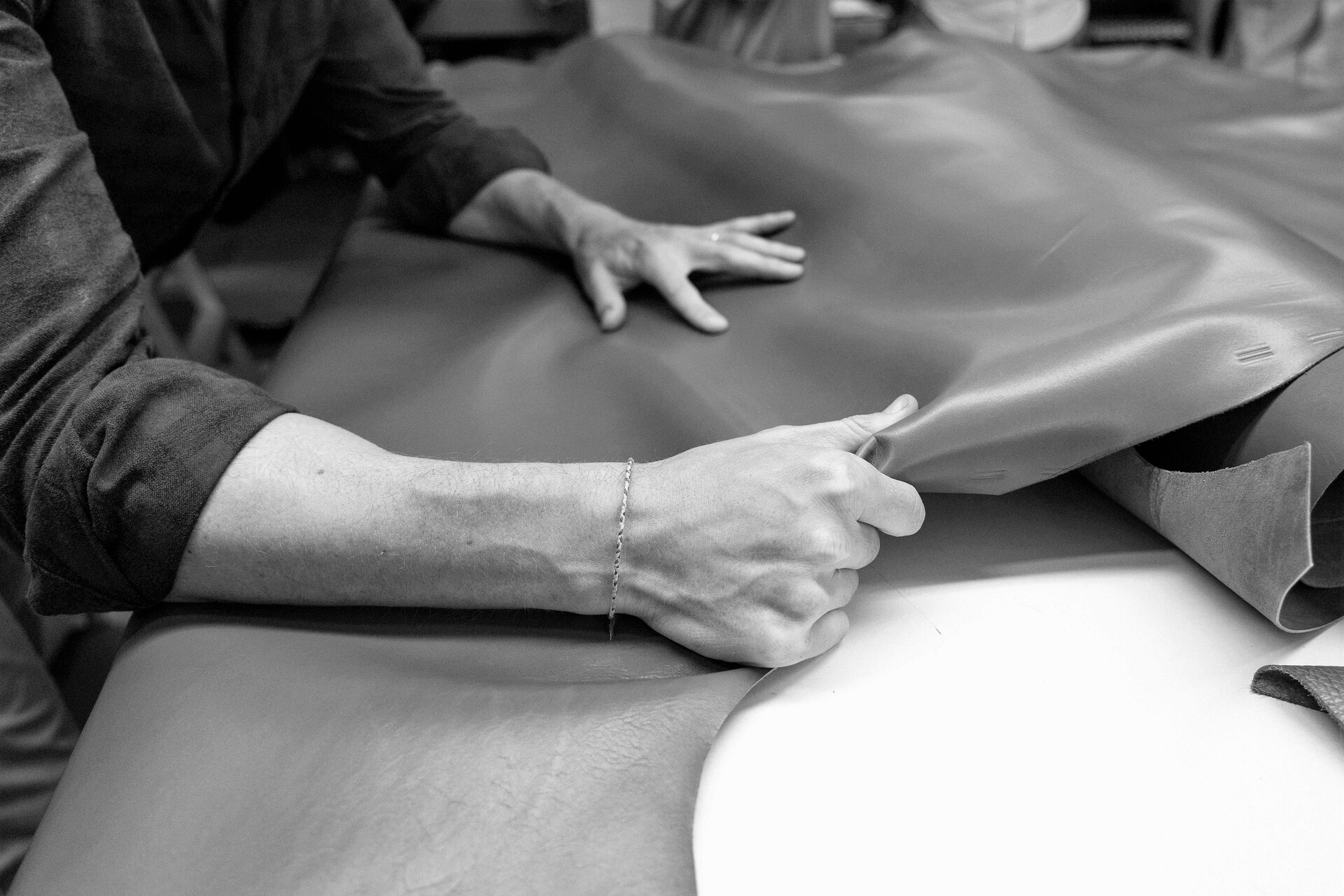
We have chosen to offer timeless shoes, crafted from the finest European leathers, sourced from tanneries renowned for their exacting standards and respect for the environment. It's not a matter of chance, because it all starts with the material.
Leather designed to last
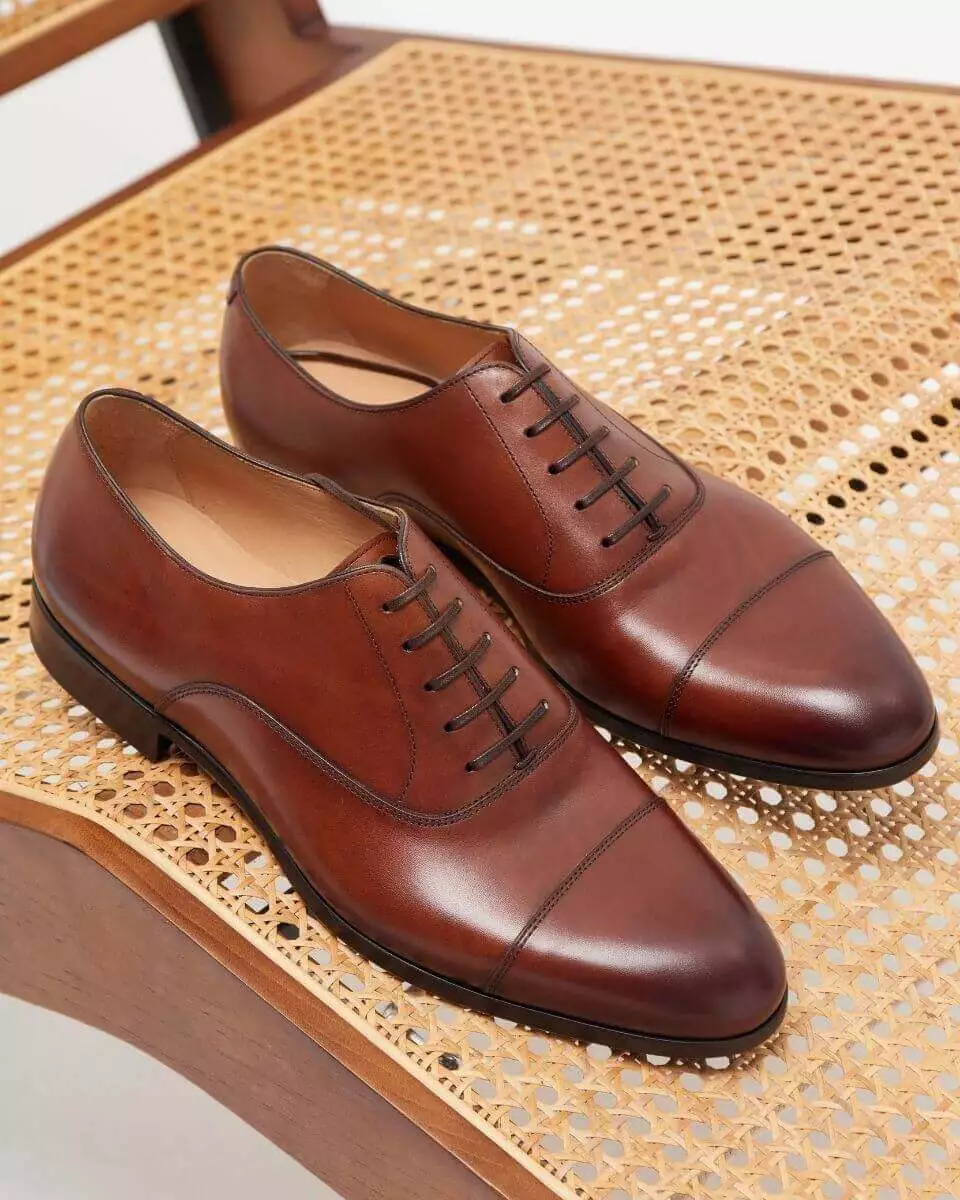
Far from the logic of frenetic renewal, we have opted for permanence. An In Corio shoe is a long-haul companion. Thanks to the quality of the leathers we use - mainly full-grain - and the precision of our assembly, our models offer remarkable resistance to wear. Better still, they improve with age, developing a unique patina with each wear.
“Timeless style, meticulous craftsmanship, noble and robust materials.”
This is the trilogy that guides our daily work.
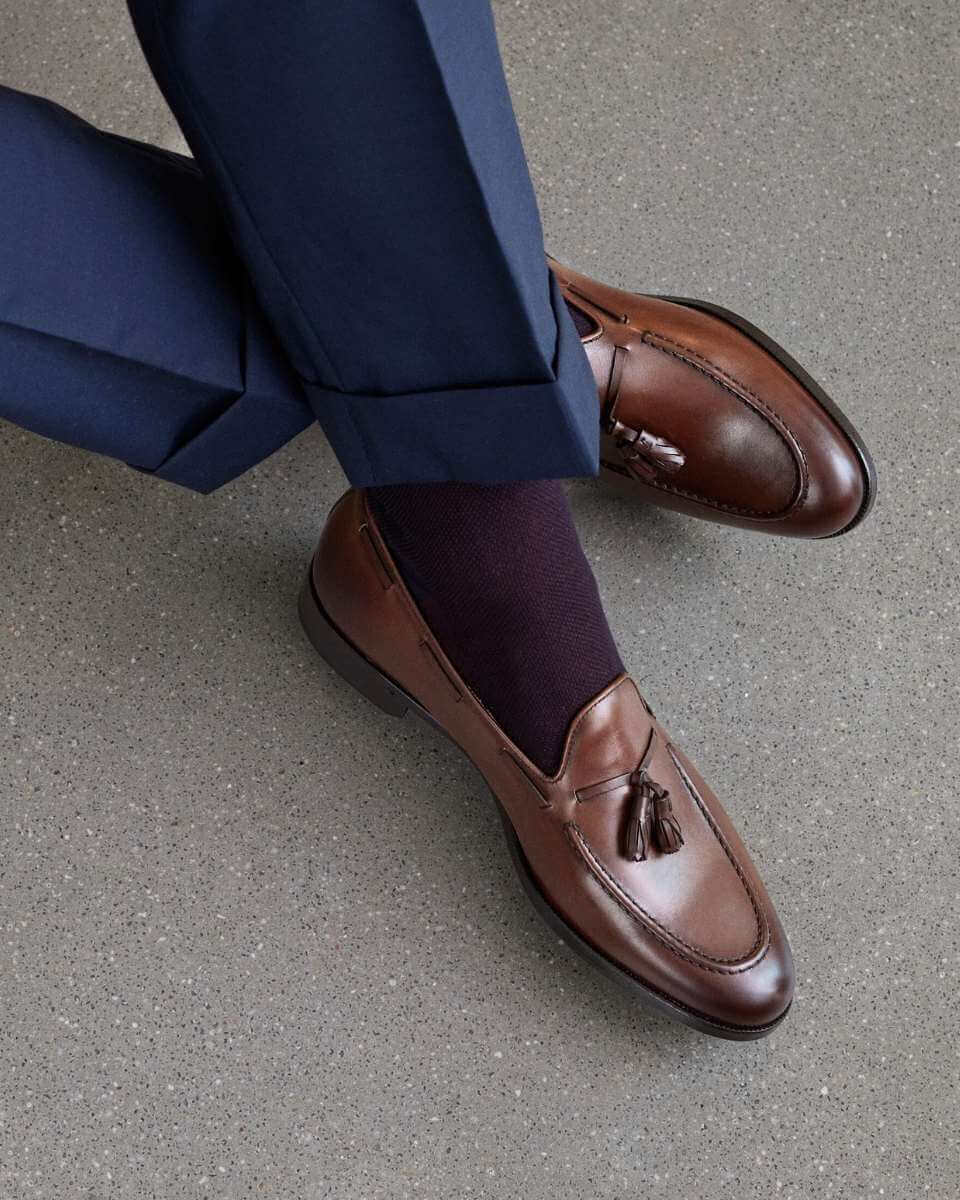
Comfort, a matter of material
We sometimes forget, but the comfort of a shoe starts with the suppleness and breathability of its leather. That's why we select full-grain calf leathers that are supple and naturally thermoregulating. Combined with a custom-designed ergonomic footbed and a high-density latex midsole, they ensure immediate comfort - without compromising on style.

Long-lasting elegance
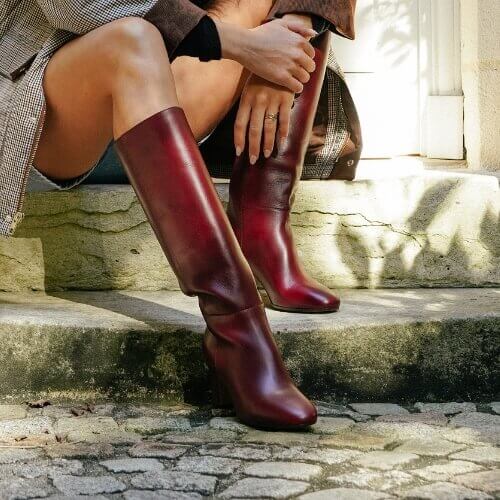
Leather, if well cared for, doesn't wear out, it transforms. It patinates, softens and adjusts to your stride. It's this subtle transformation that gives leather shoes their unique character. A well-maintained pair will stand the test of time with distinction, becoming a personal marker of style. And that's where the beauty of leather lies: in its elegance that blossoms over time, far from the effects of fashion.
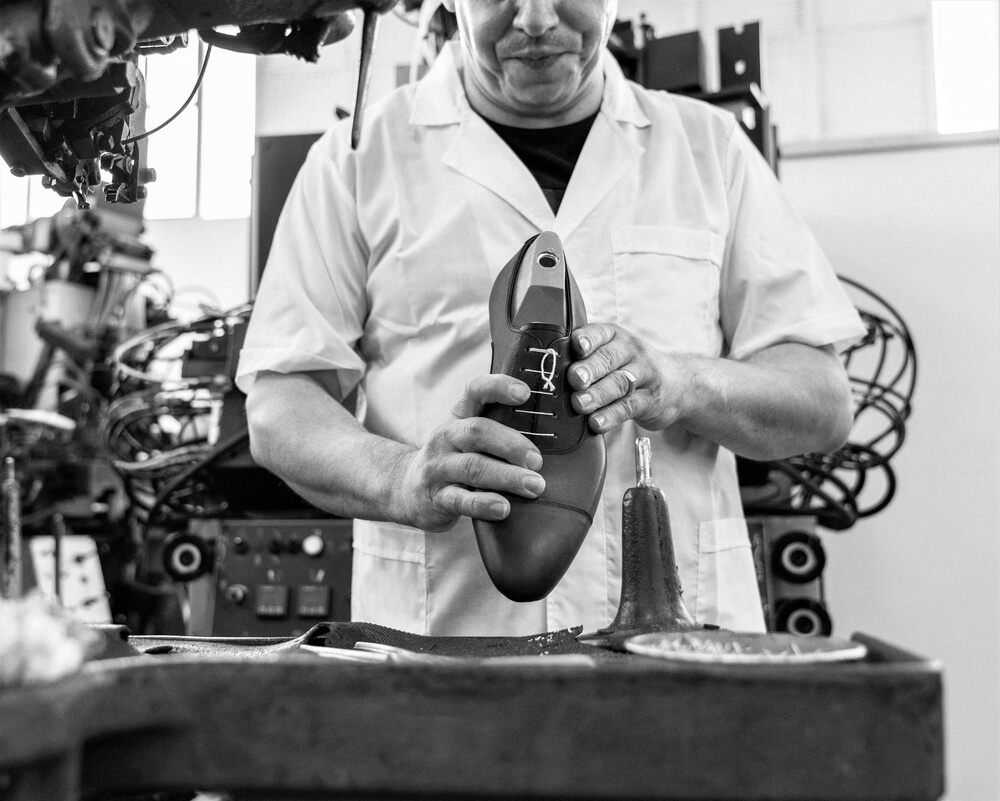
A conscience in selection
We didn't just choose the best leathers. We also chose how to source them. Our leathers come from European farms and are tanned in Europe, mainly in France. Our partner tannery in Haute-Loire - which has been awarded the “Entreprise du Patrimoine Vivant” label - embodies a tradition of excellence, combining artisanal techniques with respect for environmental standards.
At In Corio, every manufacturing decision - right down to the choice of logistics supplier - is driven by a sense of responsibility. We believe that a quality shoe should be irreproachable, even behind the scenes.
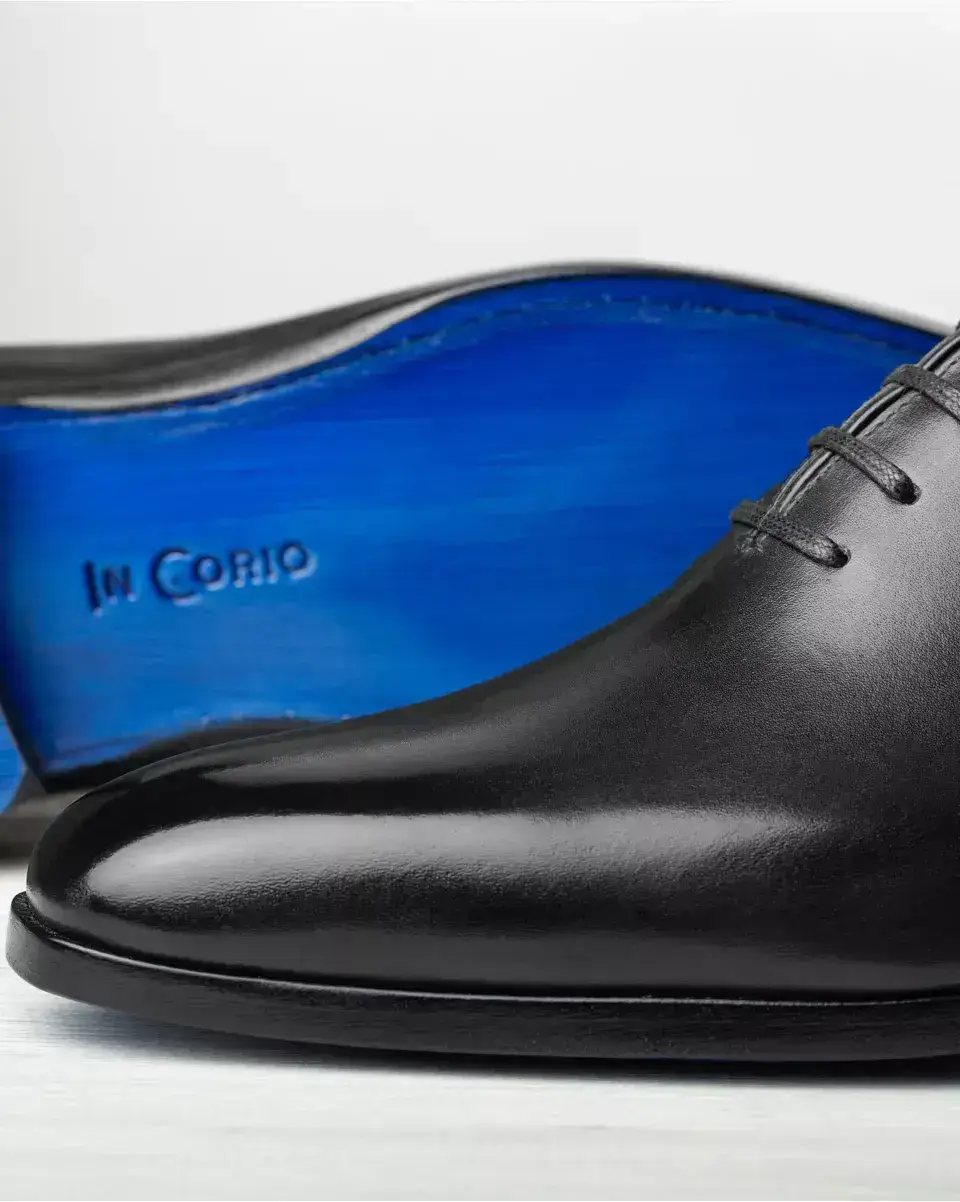
Full-grain leather: pure nobility
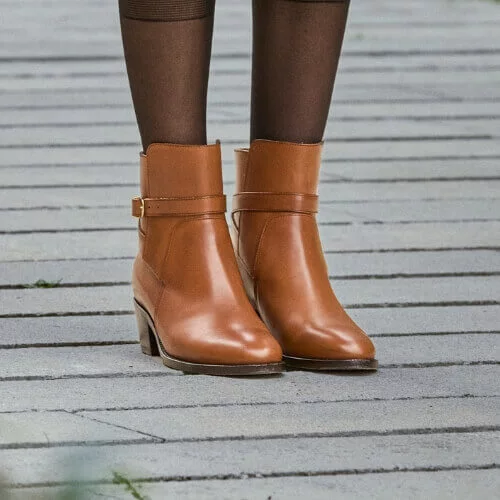
This is the leather we prefer at In Corio. It's the most noble, the most resistant, and above all, the one that ages best. Made from the upper part of the hide, full-grain leather retains its natural structure. It's this uncorrected richness of grain that gives it its character.
Why we love it:
- It breathes naturally and regulates humidity.
- It develops an incomparable patina over time.
- It's supple, comfortable and quickly becomes an extension of the foot.
Good to know:
Quality full-grain leather has a firm, velvety feel. At In Corio, we select it in France and Italy, according to criteria of traceability and durability.
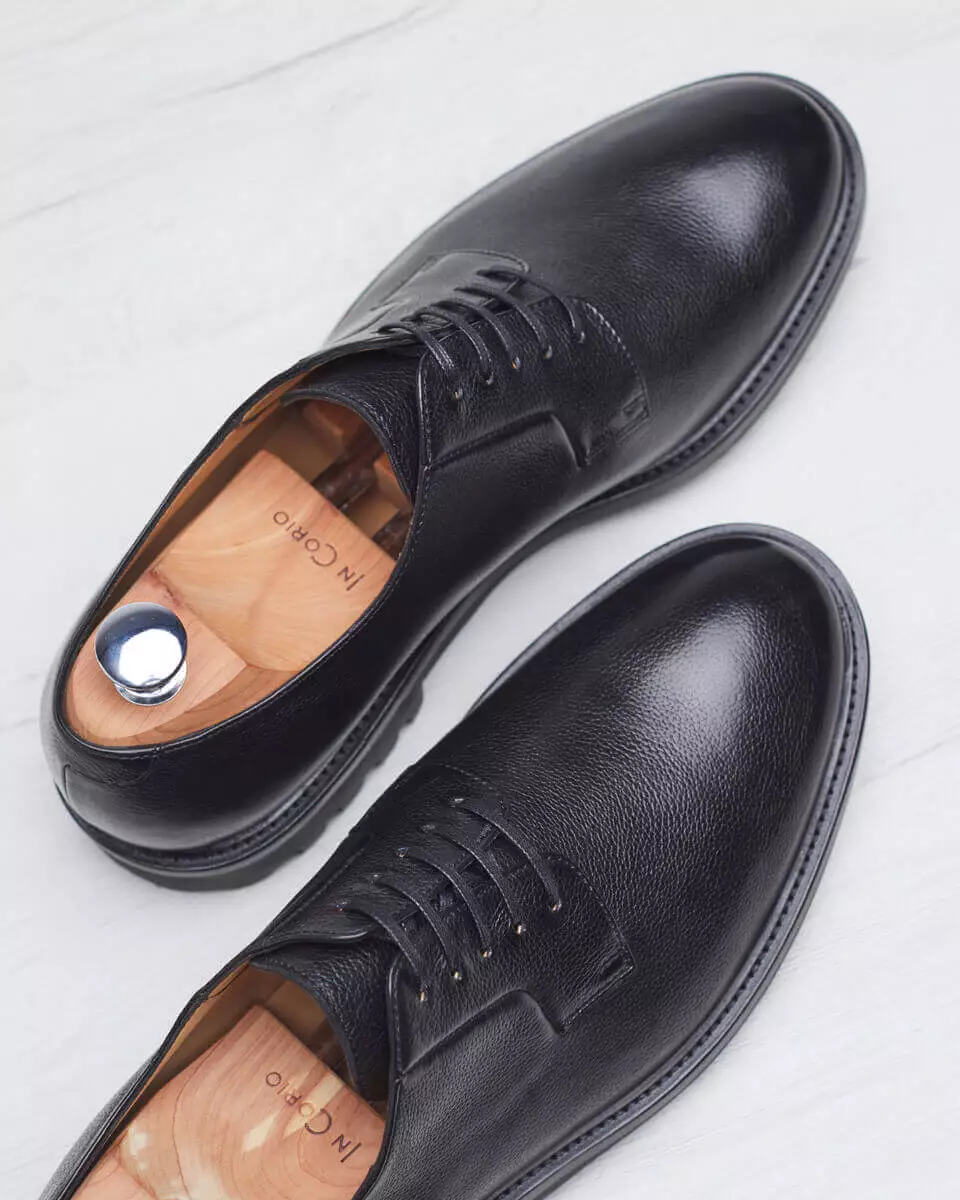
Grained leather: character and strength
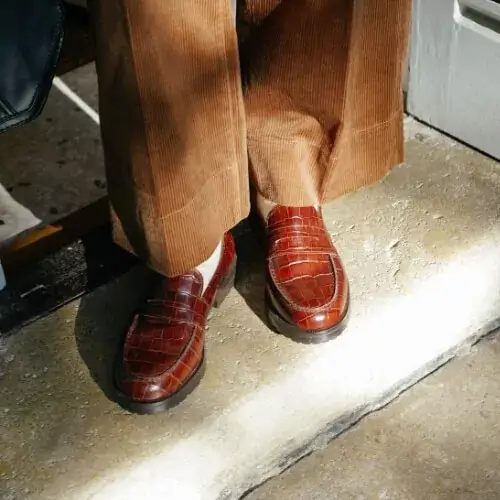
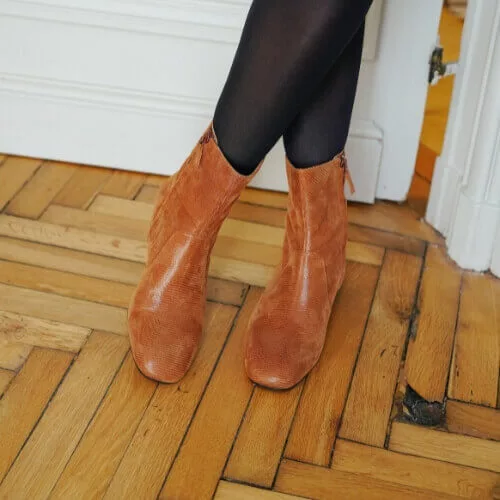
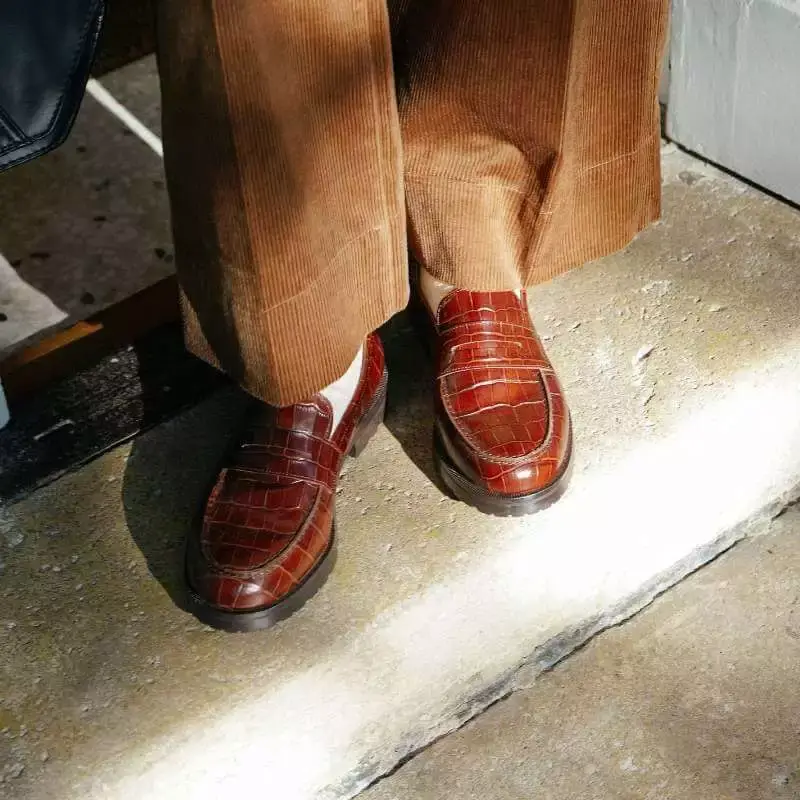
This leather has been worked to present a textured surface, often by embossing. It is less sensitive to the small marks and scratches of everyday life, making it an excellent ally for active days or temperamental climates.
Why we use it :
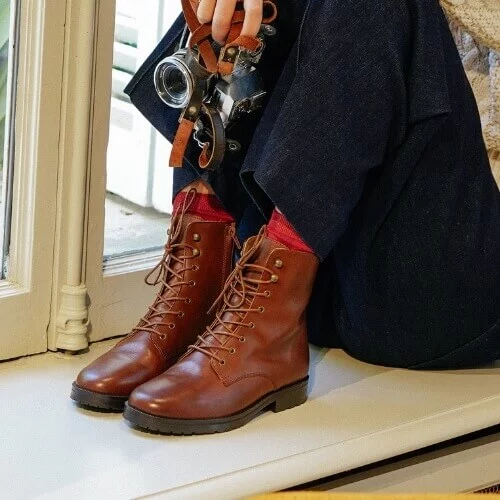
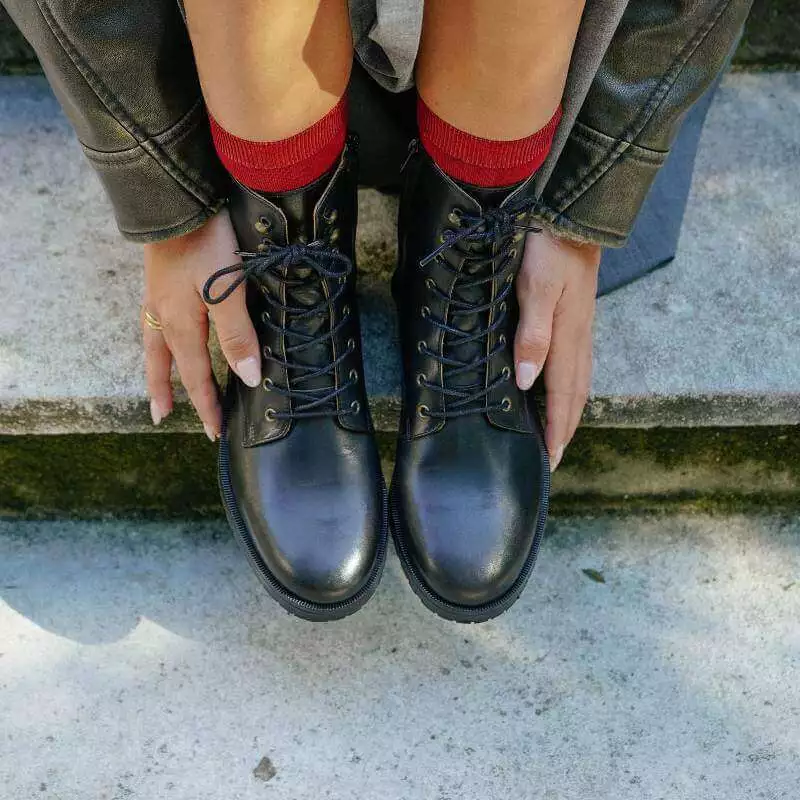
For our statement styles (like our Bruno ankle boots).
Because it's easy to care for, even in the toughest conditions.
And because it adds relief to a sober shoe.
A well-selected grained leather is of the highest quality, particularly appreciated for its immediate suppleness.
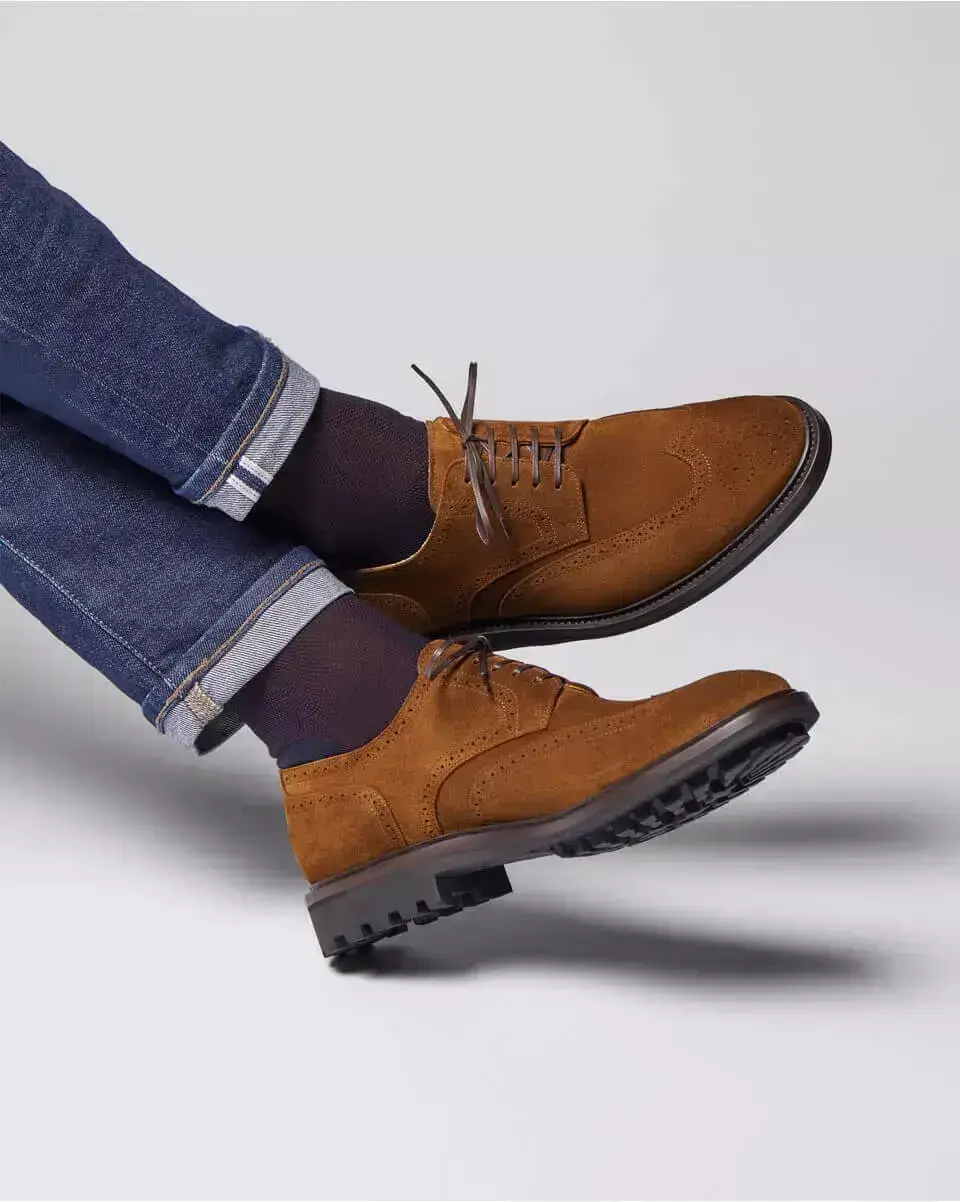
Suede calf and nubuck: softness and refinement
They are often confused, yet their origins differ.
- Nubuck leather is delicately sanded on the surface to give it a velvety appearance.
- Velvet calf (or suede) comes from the inner part of the hide, softer and even more velvety.
What they have in common: casual elegance, perfect for casual chic.
Why we choose velvet calfskin:
- For its soft feel and ability to subtly catch the light.
- Because it reveals another facet of elegance, less formal, and so comfortable.
- Despite popular belief (associated with the more fragile nubuck), velvet calfskin is as robust as leather, and very easy to care for.
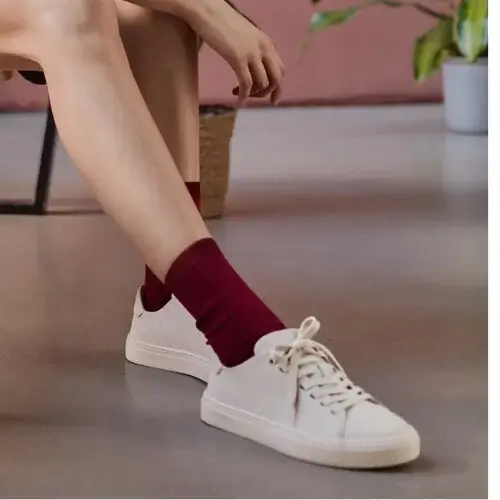
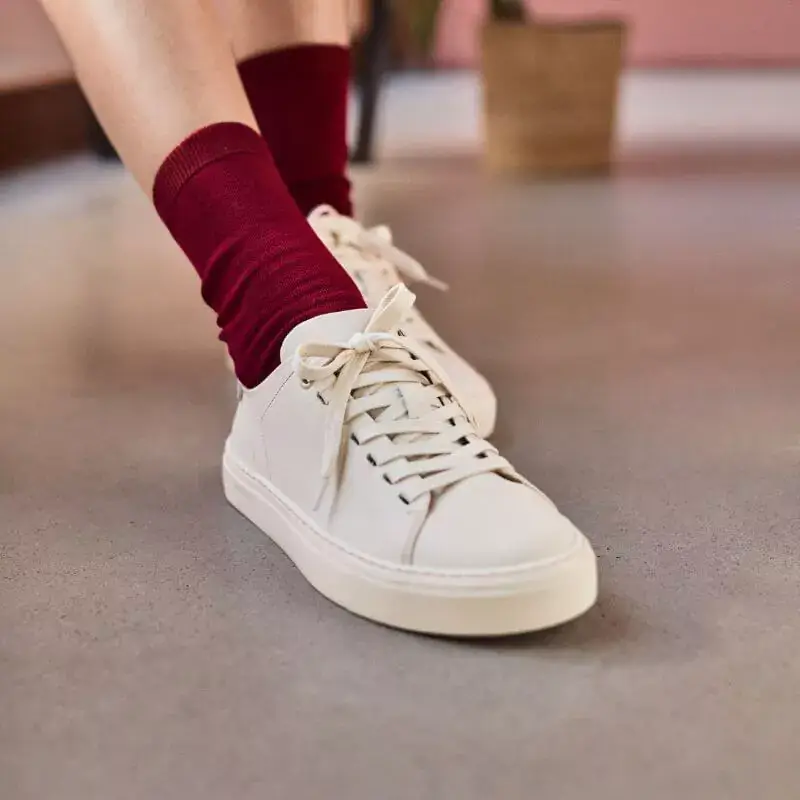
Our Alexis sneakers and suede chukkas are perfect examples.
Please note: these leathers require special care, and we prefer leathers that are already protected and resistant to daily use. All it takes is a suede brush and a spray to restore suede to its former glory.
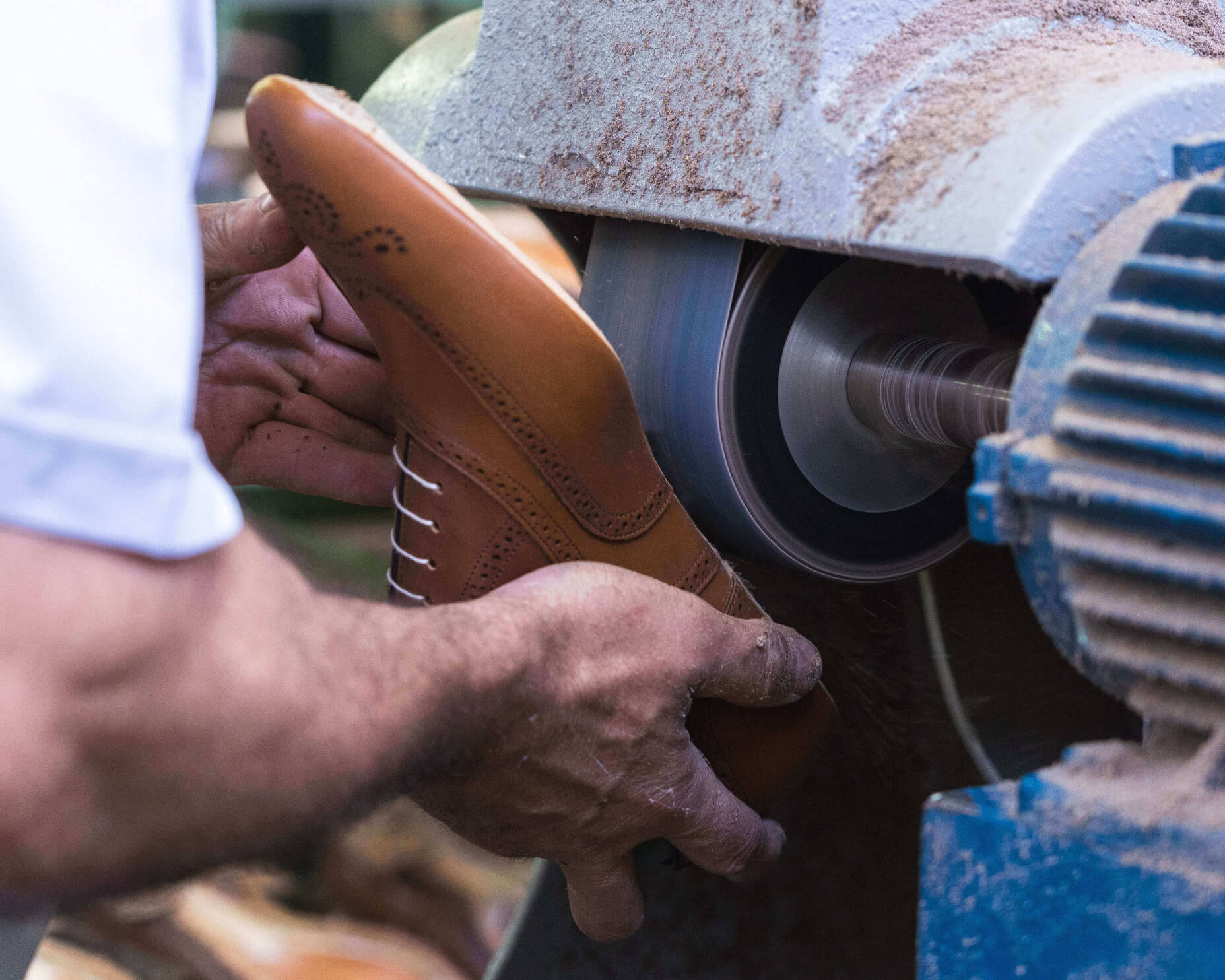
1. Flexibility and thickness: the first indicators of durability
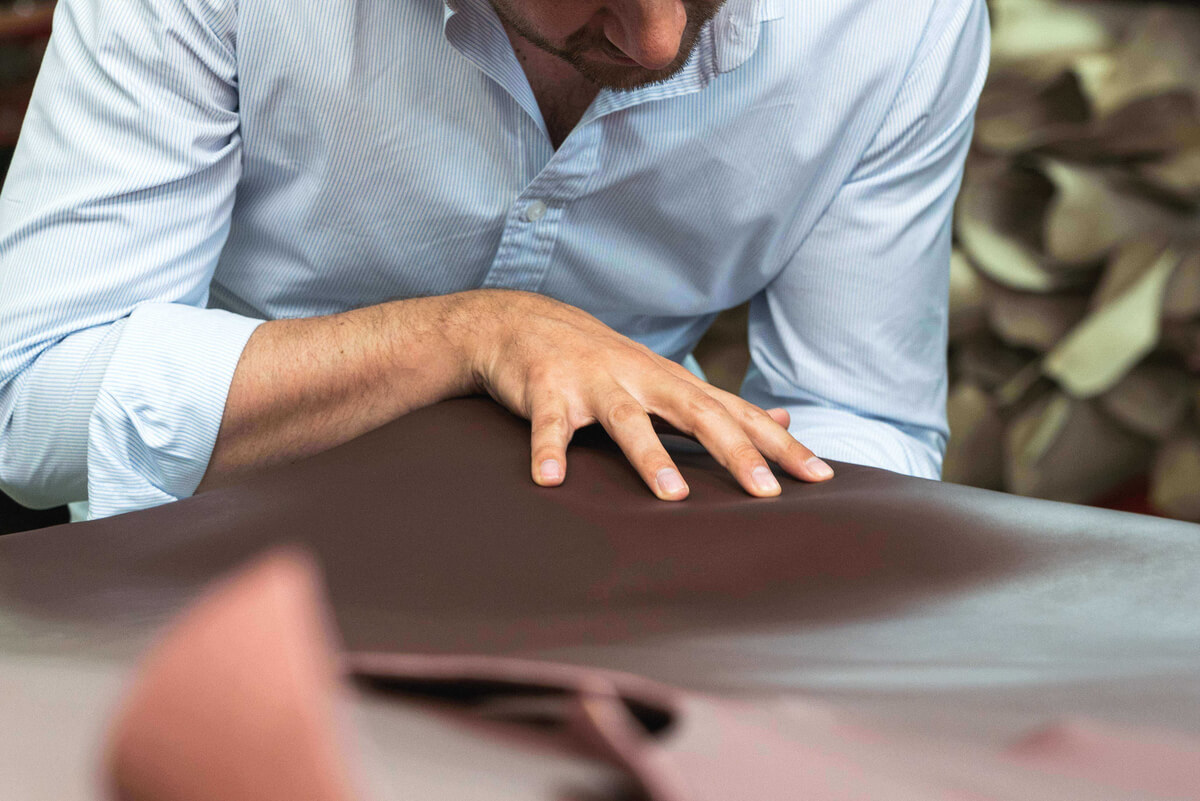
Quality leather must be both supple and dense. It must bend without cracking, regain its shape without marking, and feel reassuringly firm to the touch. Too thin? It risks distending quickly. Too rigid? It won't adapt to the foot, and risks becoming uncomfortable.
Our standards: we use mainly full-grain calf leather, for its ideal balance of suppleness, hold and elegance.
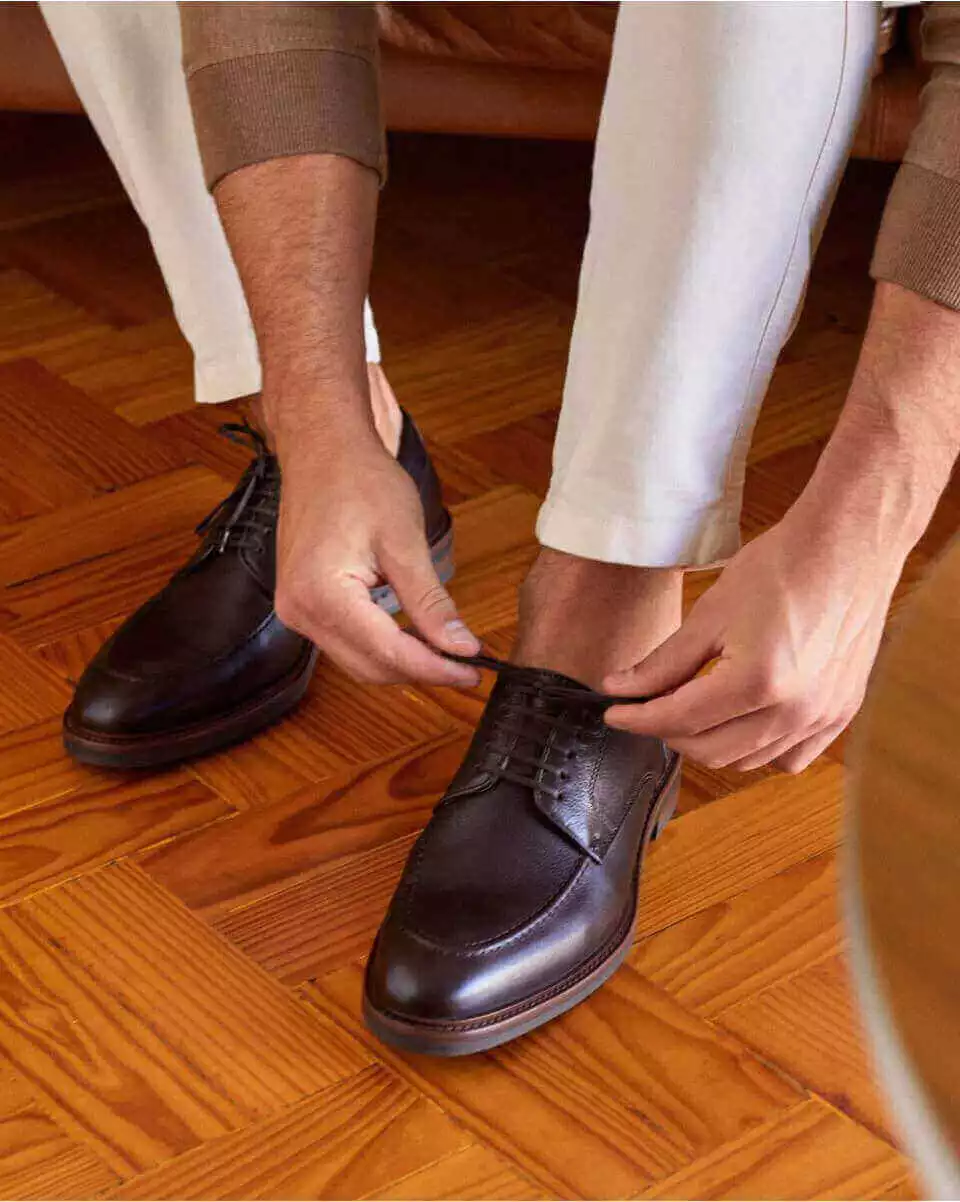
2. Smell and touch: awakening the senses
Genuine leather gives off a warm, slightly animal scent, subtle but recognizable. It has nothing to do with the artificial smell of synthetics. As for its feel, it should be soft, dense and slightly textured. Too smooth or too “plasticized”? Beware: it may be low-quality leather, or even an imitation.
With us, leather doesn't cheat. It lives, it breathes, it evolves.
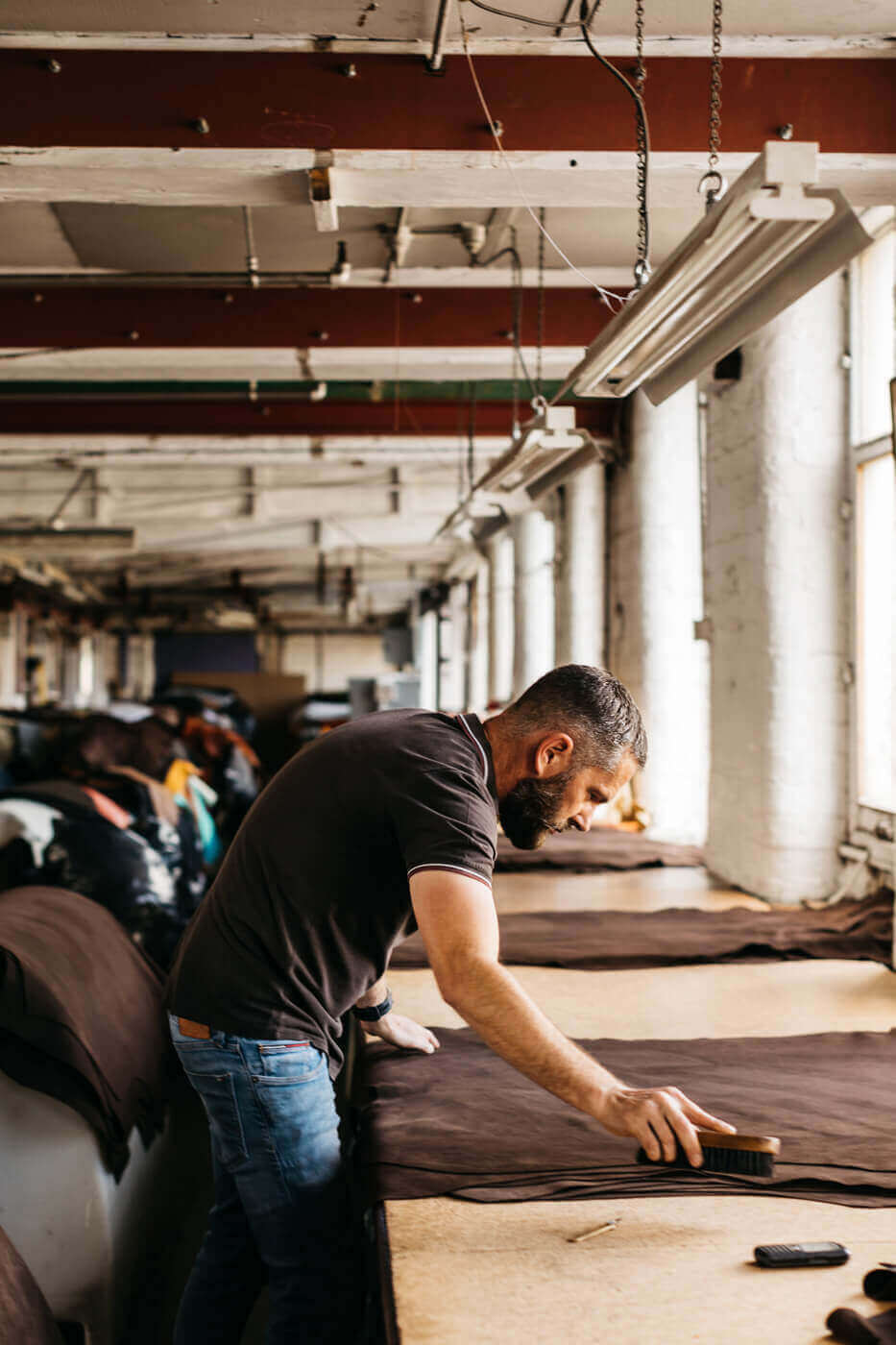
3. Tanning: vegetable or mineral?
Tanning is the process by which the hide becomes leather. It influences the leather's suppleness, durability and ability to develop a patina over time.
- Vegetable tanning: made from natural extracts (bark, leaves...), it gives leather a raw appearance, a rich scent and a unique ability to patina. More ecological, but also more time-consuming to master.
- Mineral tanning: more widespread, based on chromium salts. It produces supple, resistant and homogeneous leather, ideal for everyday use.
In Corio has chosen European tanneries recognized for their mastery of both approaches, depending on the use and finish required. Our French tannery in Haute-Loire, for example, combines tradition and innovation, and carries the prestigious “Entreprise du Patrimoine Vivant” label.
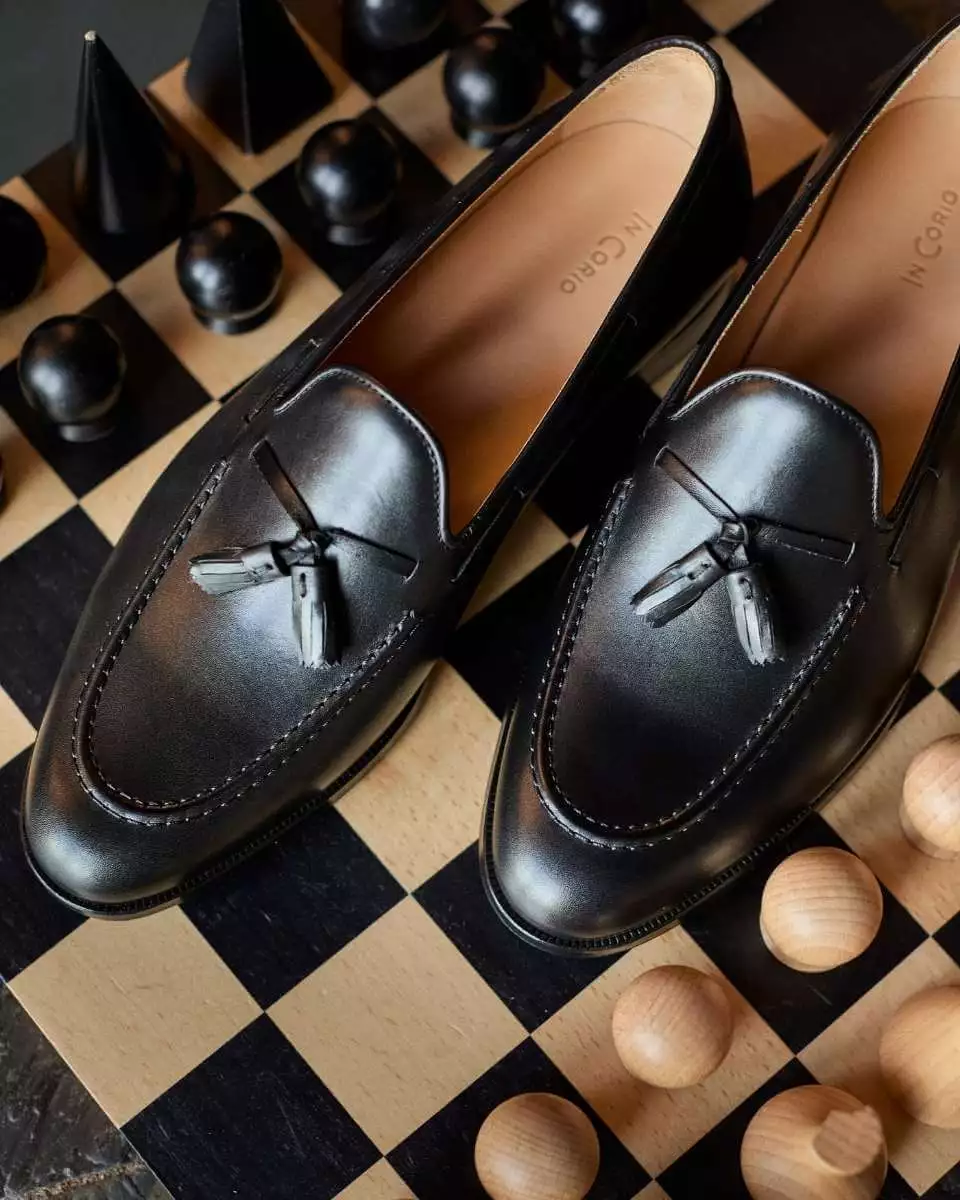
For dress shoes: richelieus, derbies, moccasins
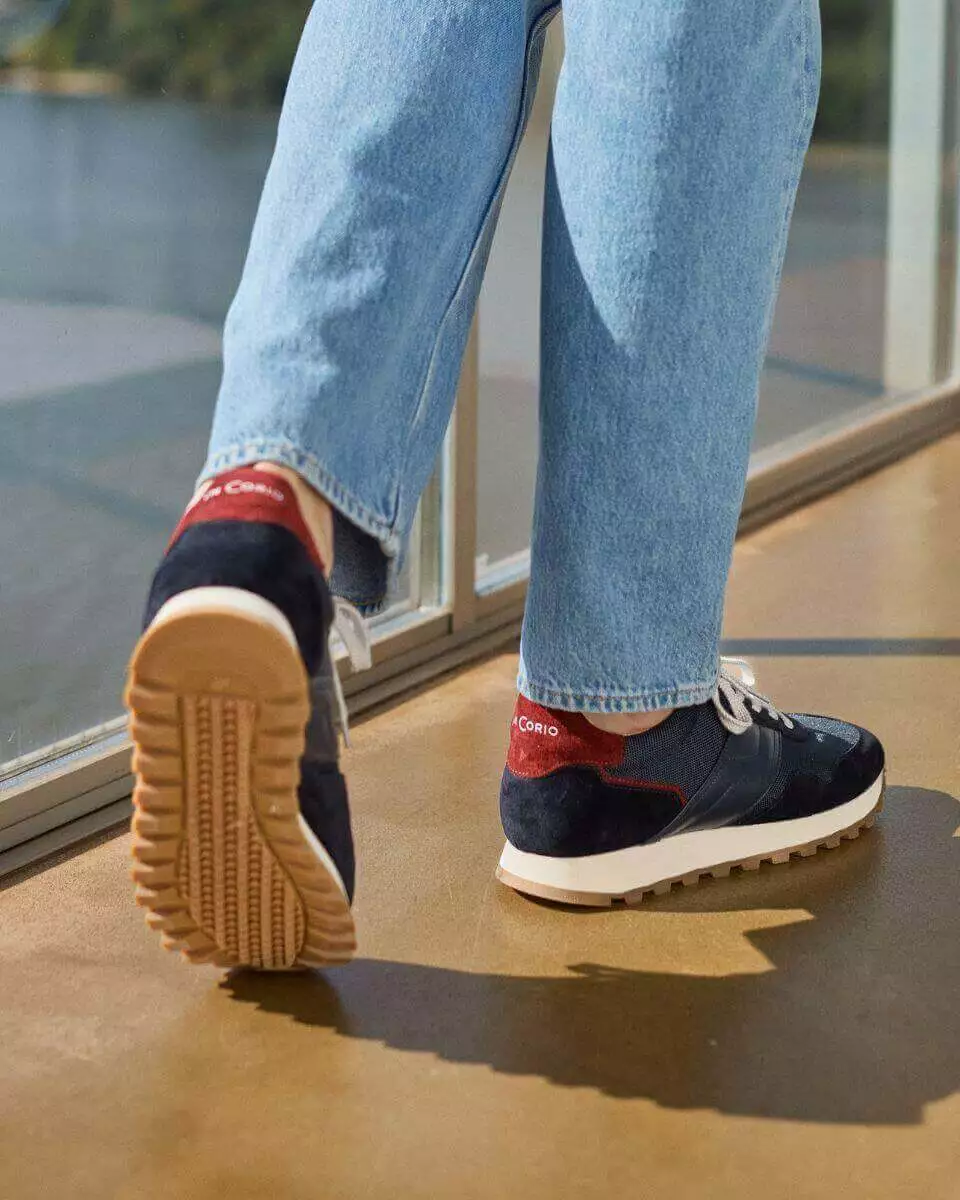
For casual shoes: boots, sneakers, chukka boots
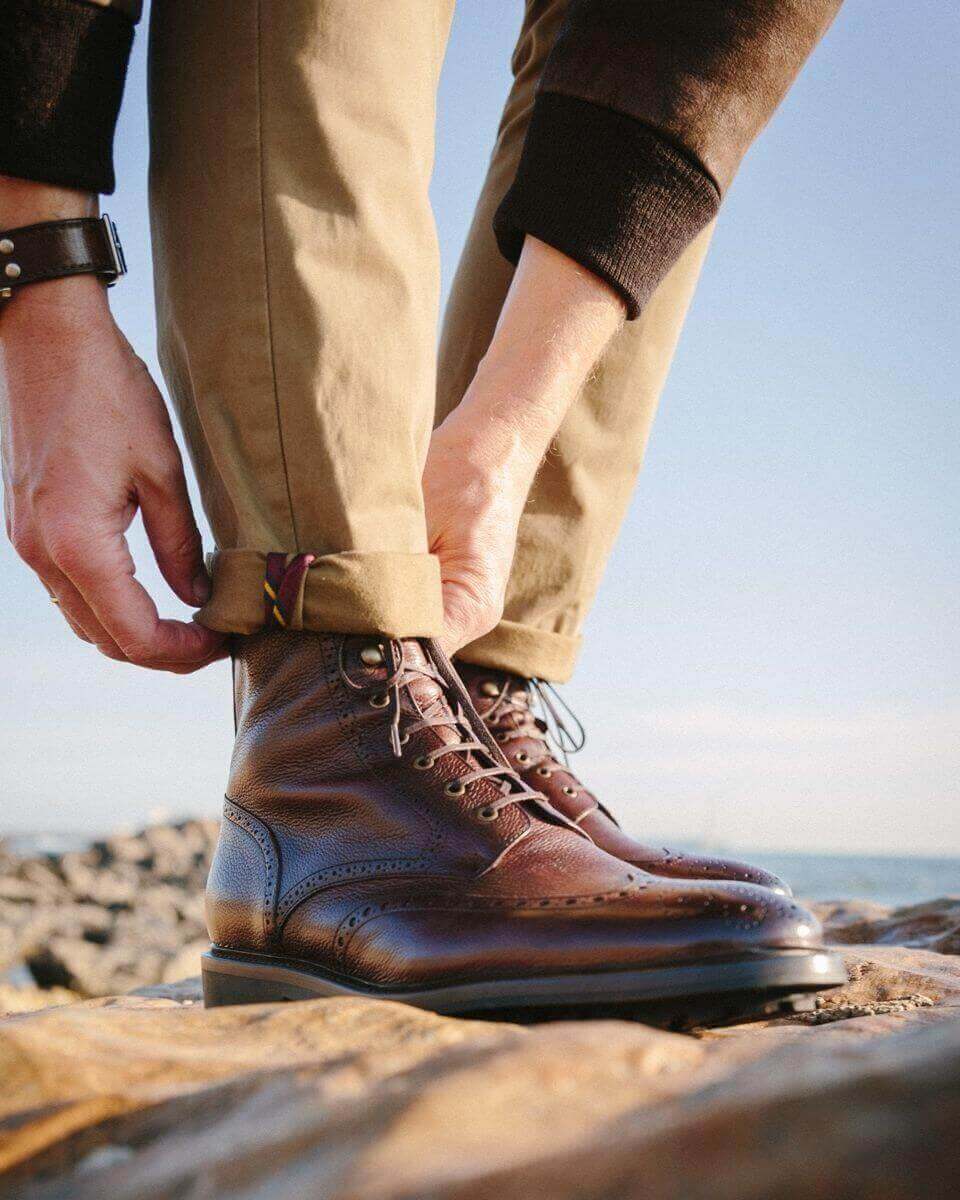
The right choice: grained leather, nubuck or suede
These shoes, designed for both city and weekend wear, call for leather that is both robust and supple, withstanding repeated use while retaining its style.
- The more textured grained leather is more tolerant of everyday knocks.
- Nubuck, used on some of our casual models, adds a refined velvety touch.
- The softer suede lends itself perfectly to relaxed yet elegant looks, provided it is regularly maintained.
Example at In Corio:
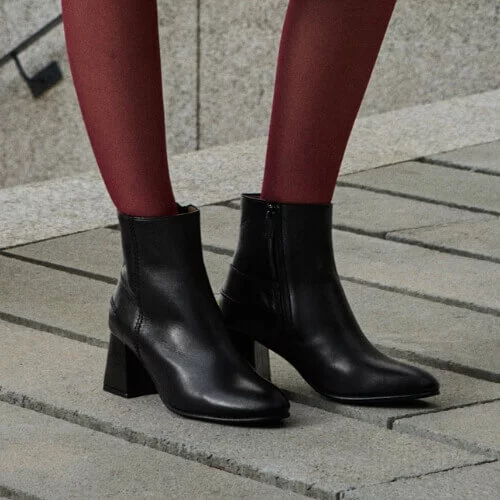
Our Martin booties combine supple leather with a sturdy rubber sole, for intensive use without compromising on style. Our Maxime and Gabriel sneakers, on the other hand, combine smooth leather and suede in a perfectly balanced sport chic aesthetic.
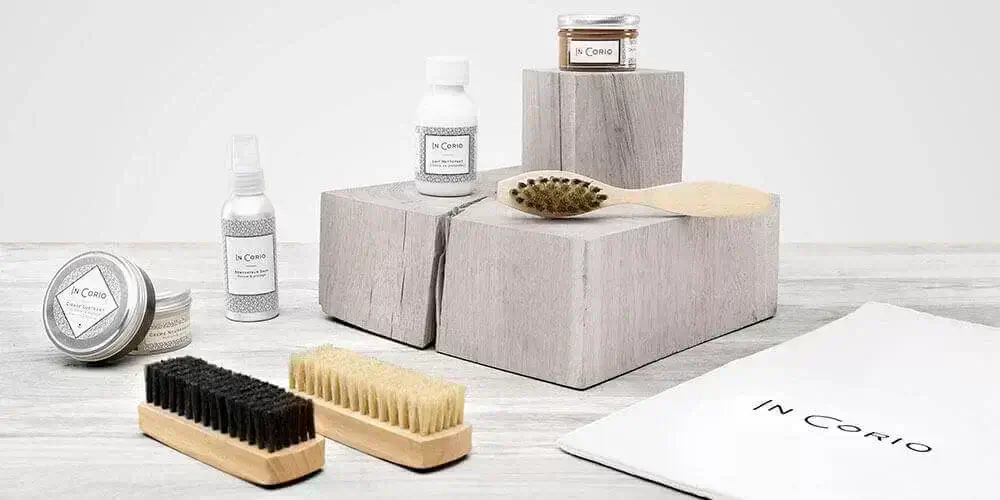
Cleaning and protection: the basis of all maintenance
Each type of leather requires special attention. But certain principles apply to all:
- After each wear, dust off your shoes with a soft brush or dry cloth.
- Let them breathe for at least 24 hours between wearings: leather needs to rest.
- Store them with rough wooden shoe trees, to maintain shape and absorb moisture.
Particular case of suede:
Use a special brush to remove dust and impurities from the hair. Avoid water, preferring dry cleaning. At In Corio, our suede leathers are treated to withstand urban use, but regular care is essential.
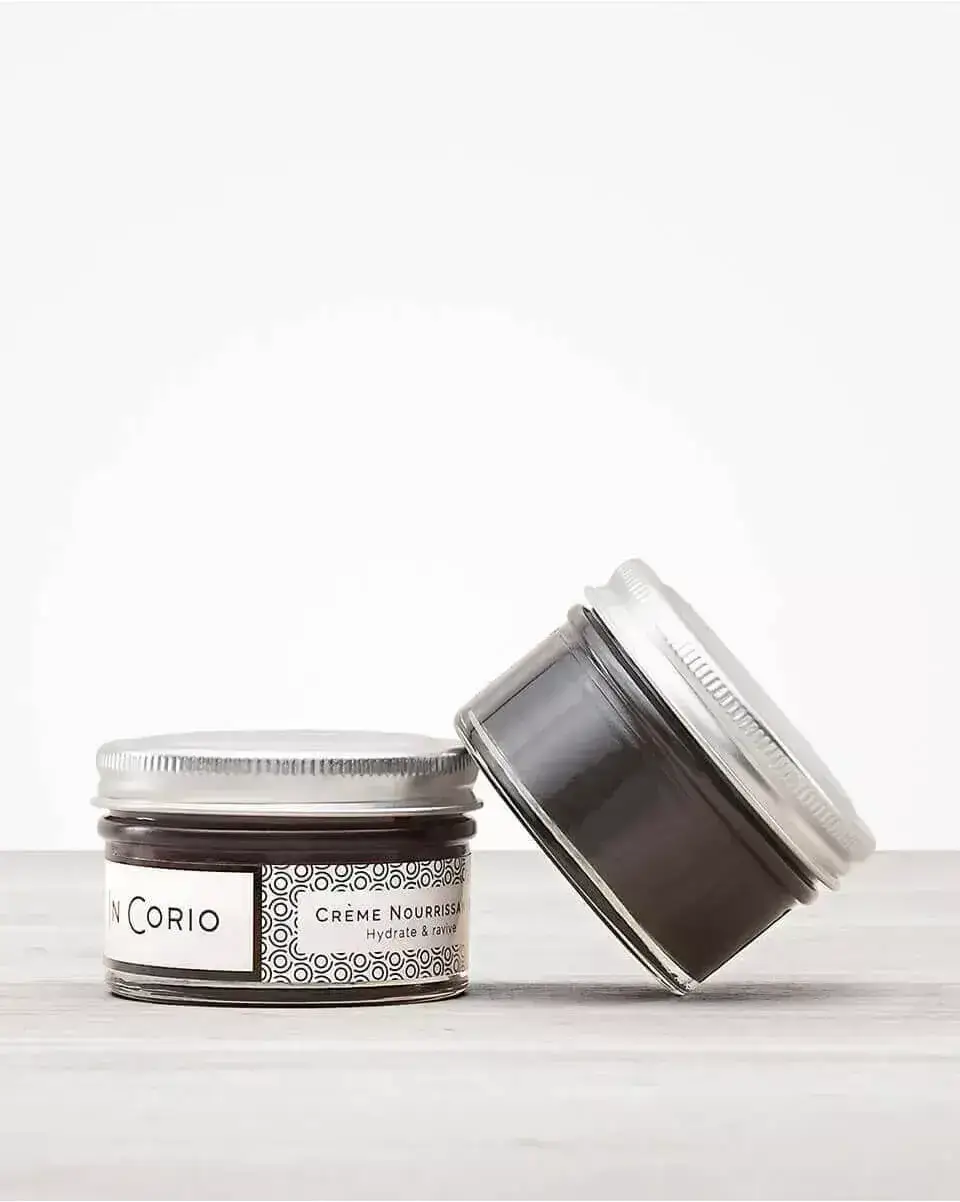
Nourishing leather: an essential ritual
Leather is a living material: it needs nourishment to maintain its suppleness and beauty. About once a month:
- Apply a colorless or lightly tinted nourishing cream, depending on the color of the leather.
- Leave to penetrate for a few minutes, then buff with a soft chamois to restore shine.
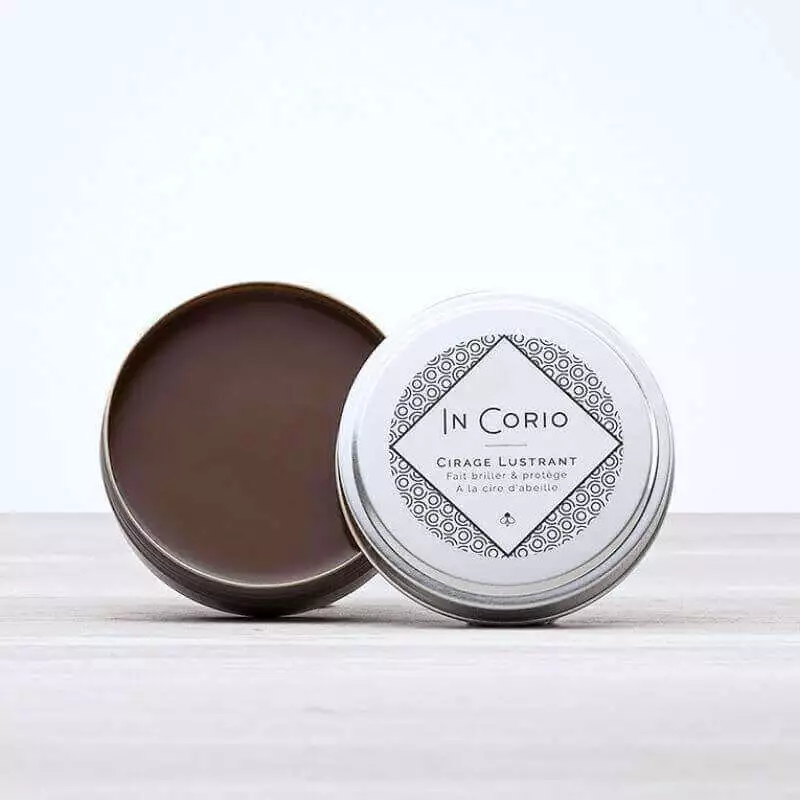
- Add a thin layer of shoe polish if you wish to revive the shine.
At In Corio, we recommend natural products without aggressive solvents, which are gentle on leather... and the environment.
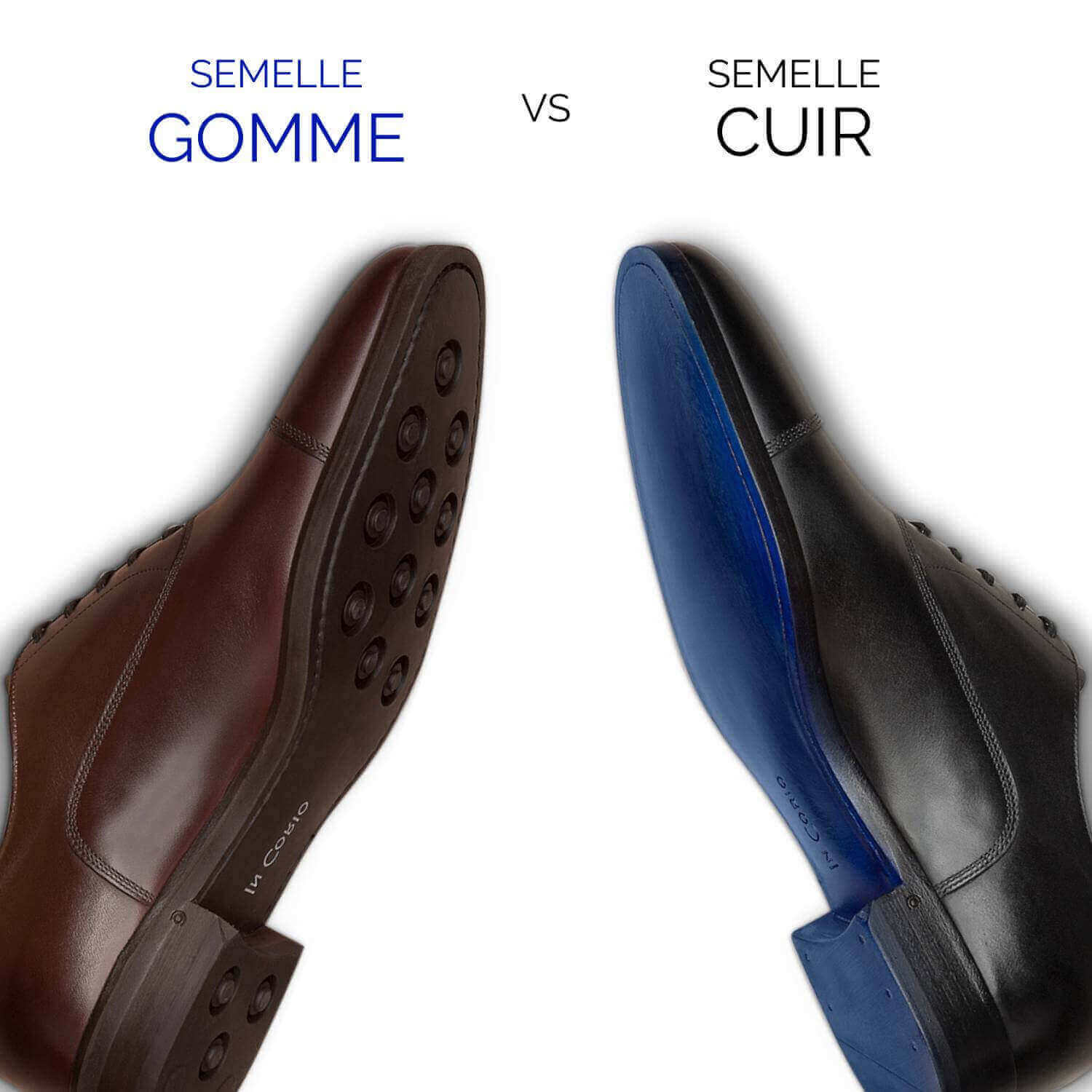
Insoles: leather or rubber, two cases, two approaches
- Leather soles: have a discreet rubber pad fitted if you walk a lot, or to improve grip on wet ground. It won't detract from the style, while protecting the mounting.
- Rubber soles: no intervention required, they're ready to face everyday wear from the very first step.