

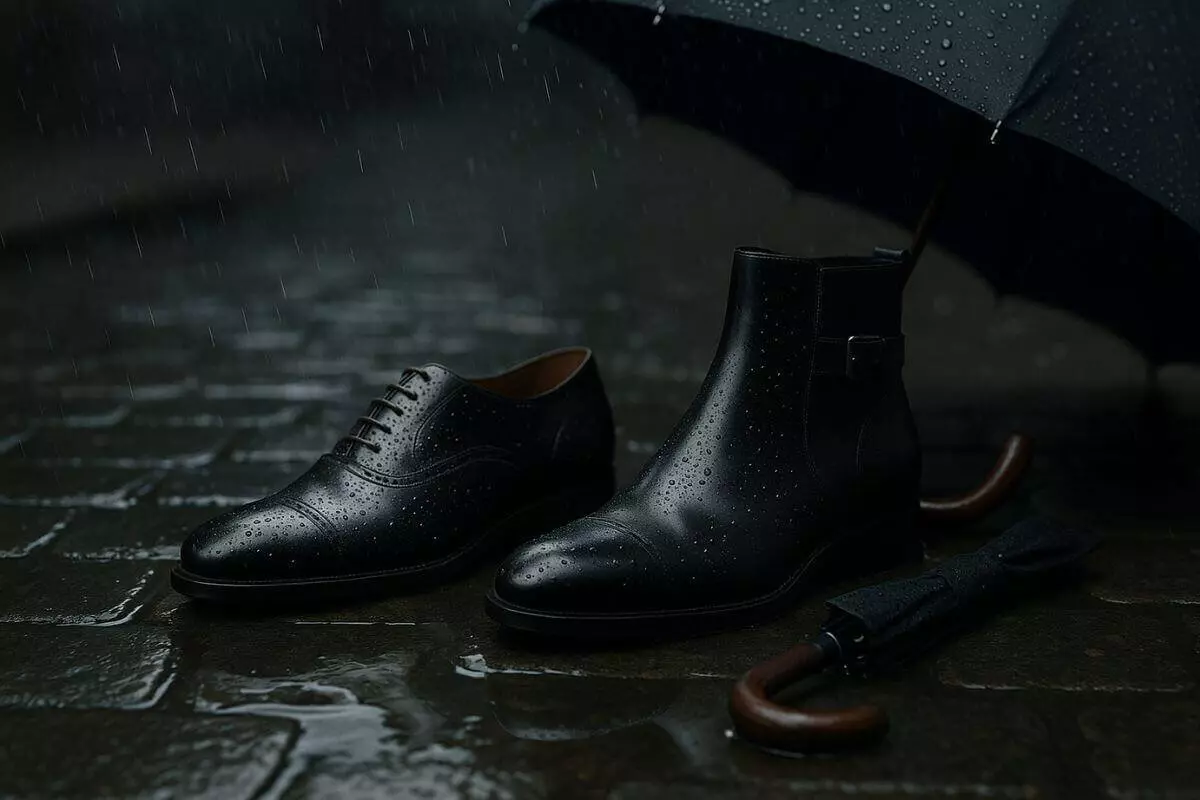
Preserving elegance even under the clouds
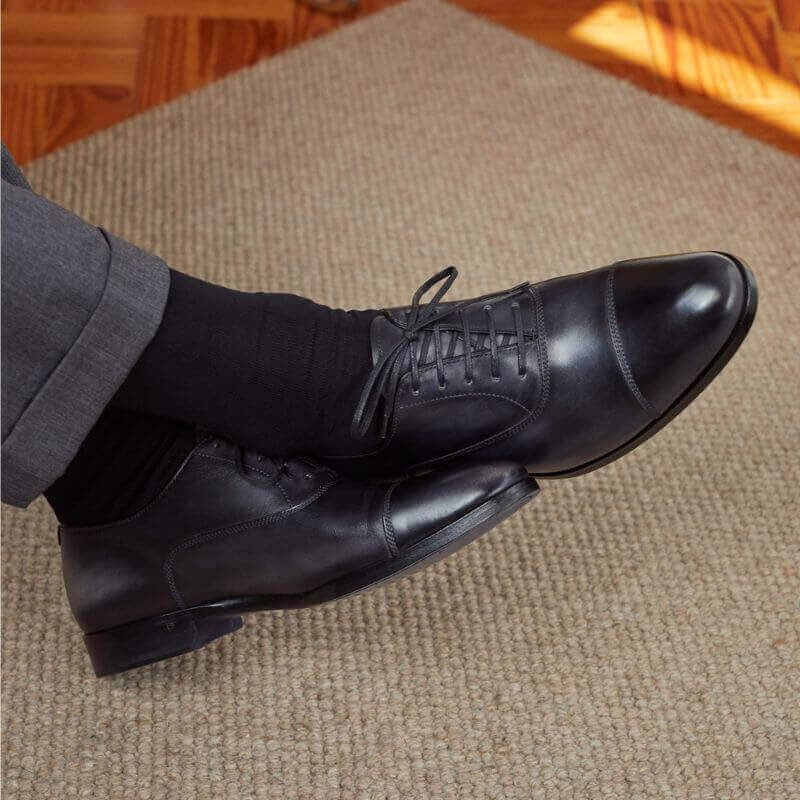
Whether it’s leather ankle boots, dress sneakers, or elegant Oxfords, water is the natural enemy of leather: it soaks, stains, and deforms. However, with the right care, it is entirely possible to combine elegance with bad weather.
In this guide, we share our expert advice to waterproof, maintain, and restore your leather shoes after exposure to rain. Concrete solutions inspired by the artisanal know-how we uphold at In Corio, so your shoes accompany you for a long time, whatever the weather.
Waterproofing your leather shoes
Before even thinking about braving the rain, it is essential to create a protective barrier. For this:
- For smooth and grained leathers, avoid waterproofing sprays that dry out and suffocate the leather. Prefer a cream polish based on natural wax (such as beeswax), which nourishes the leather while protecting it.
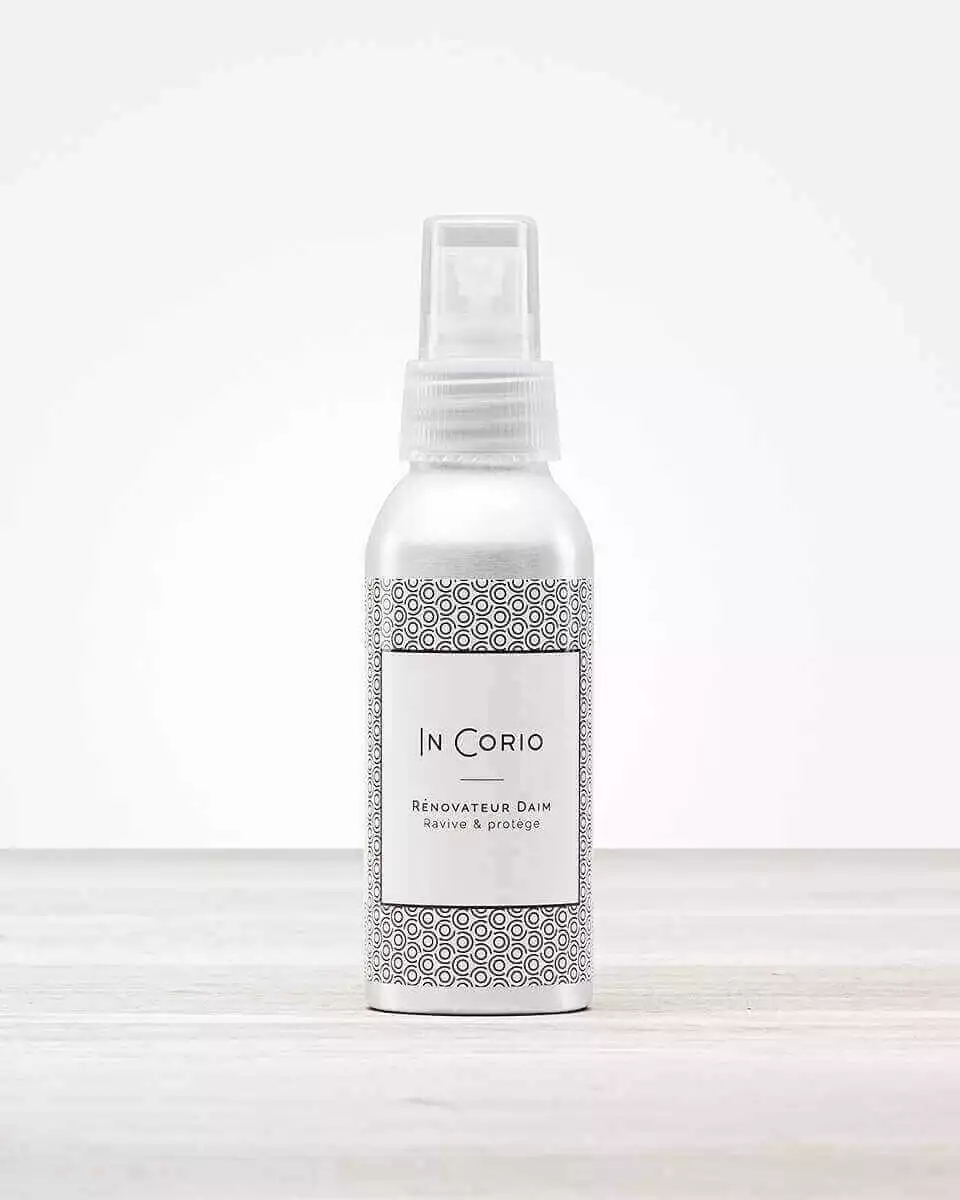
- For nubuck, suede, or velvet calfskin, choose a suitable silicone-free product that respects the texture of these delicate leathers (like our renovating spray).
💡 Apply the spray from about 25 cm away, in a thin layer, then let dry in the open air. Repeat every two weeks during the wet season.
Choosing the right soles and materials
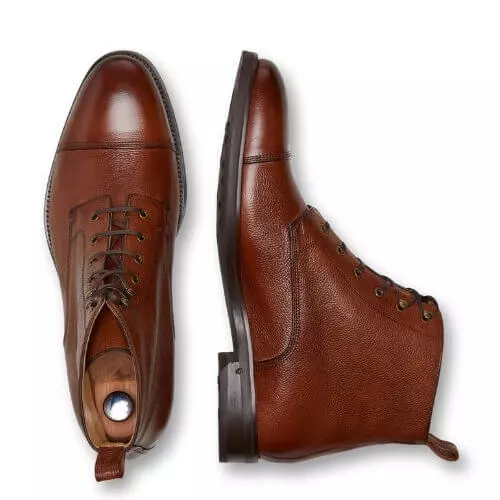
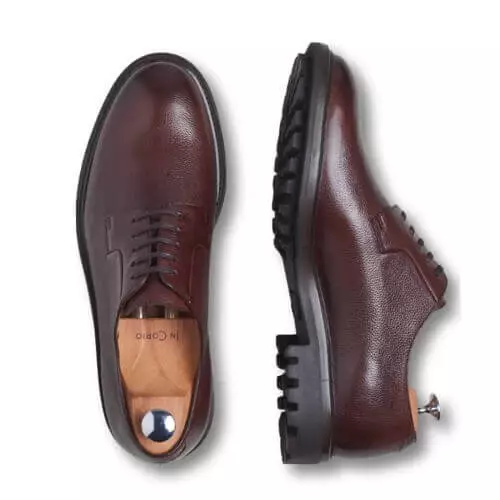
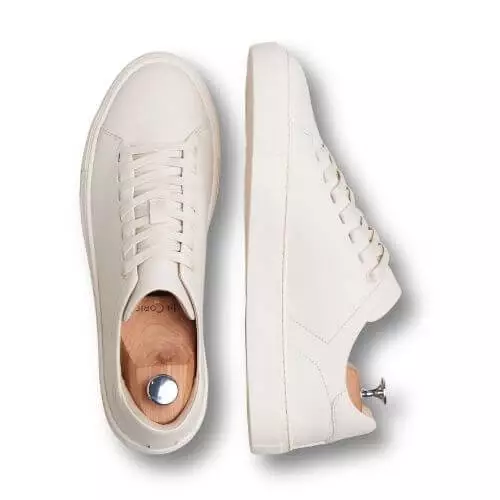
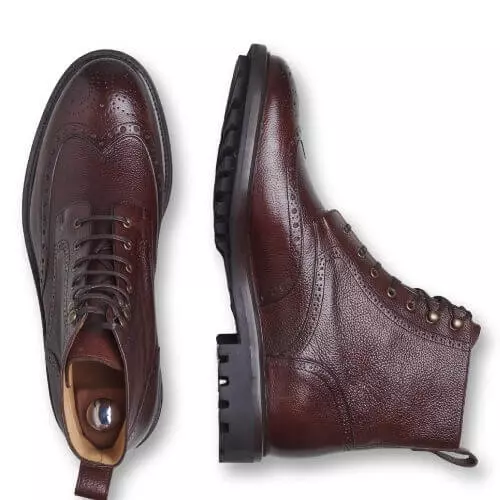
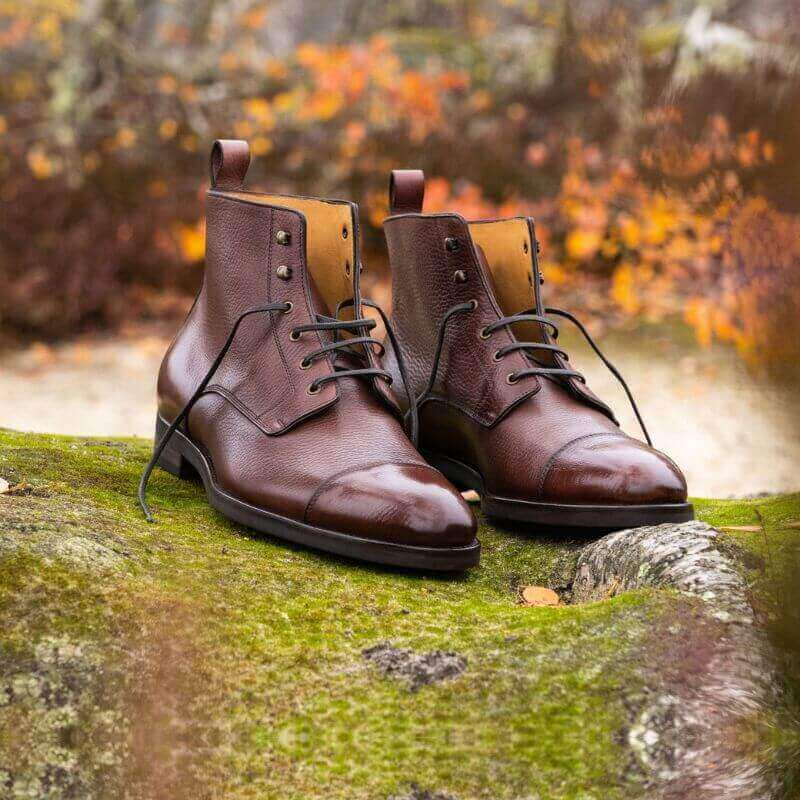
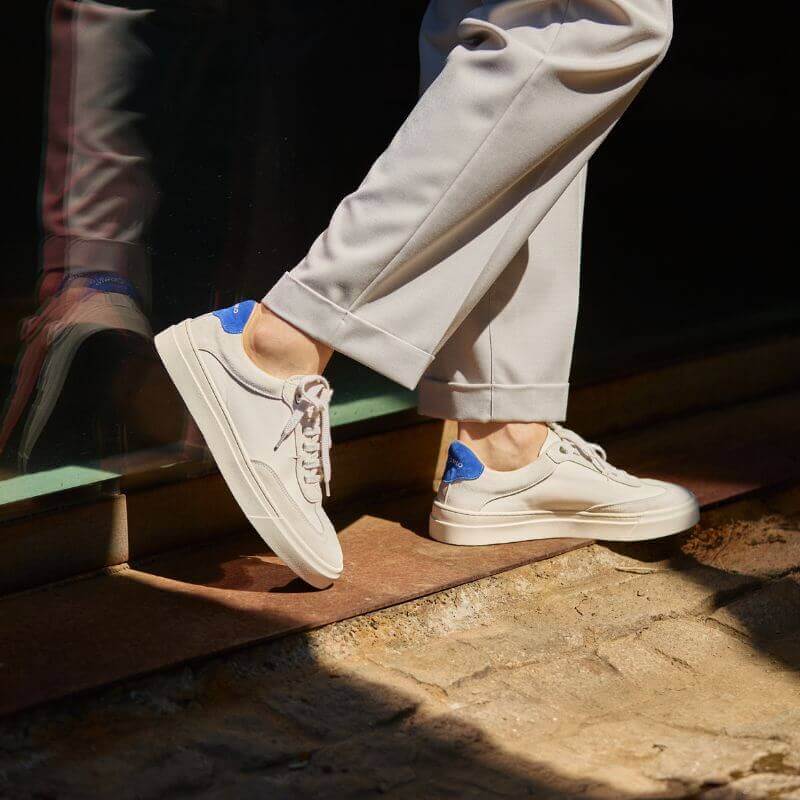
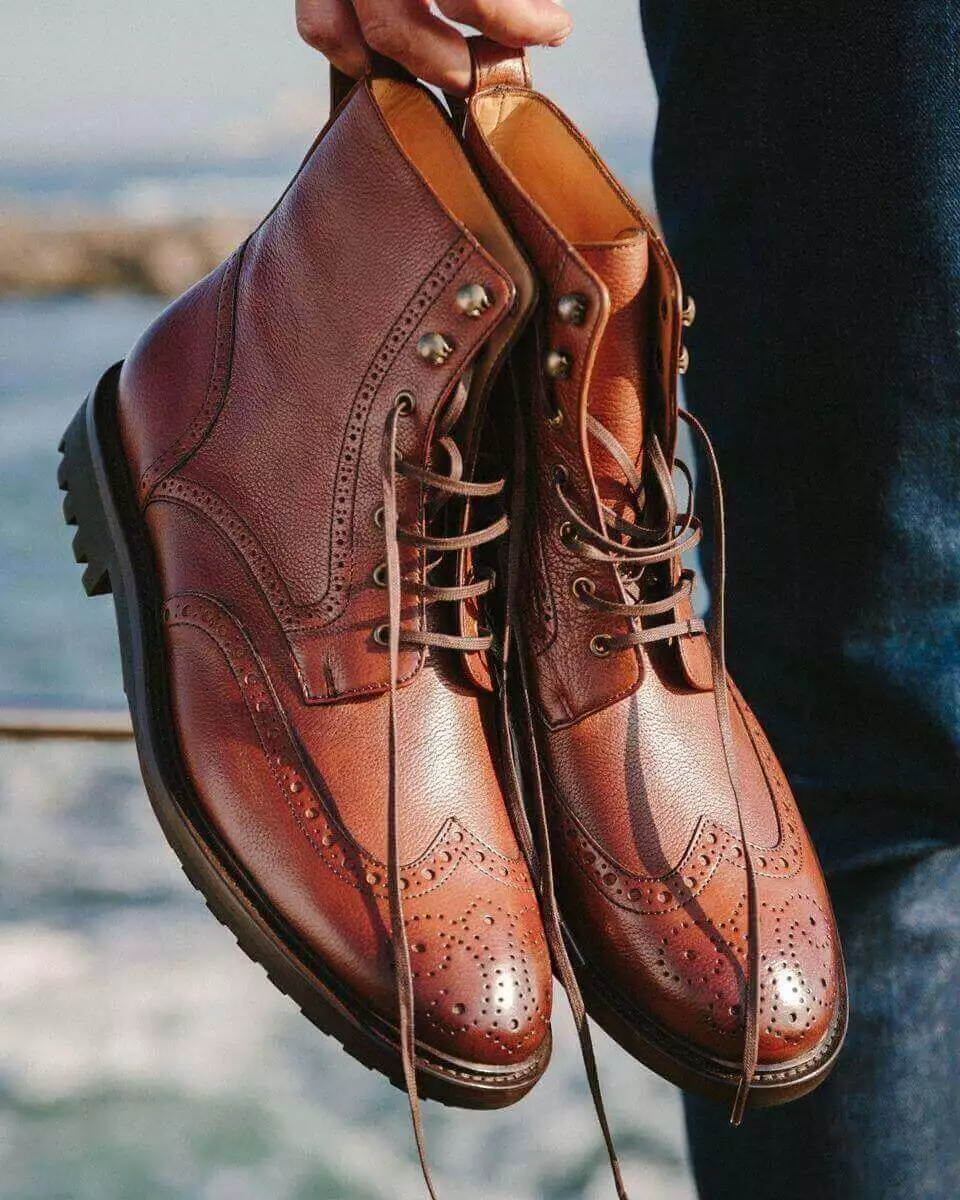
Rubber soles are particularly recommended: they are naturally non-slip, waterproof, and more insulating than leather. At In Corio, our boots like the Edgard model or our elegant sneakers are equipped with soles suited for daily urban use, even in rainy weather.
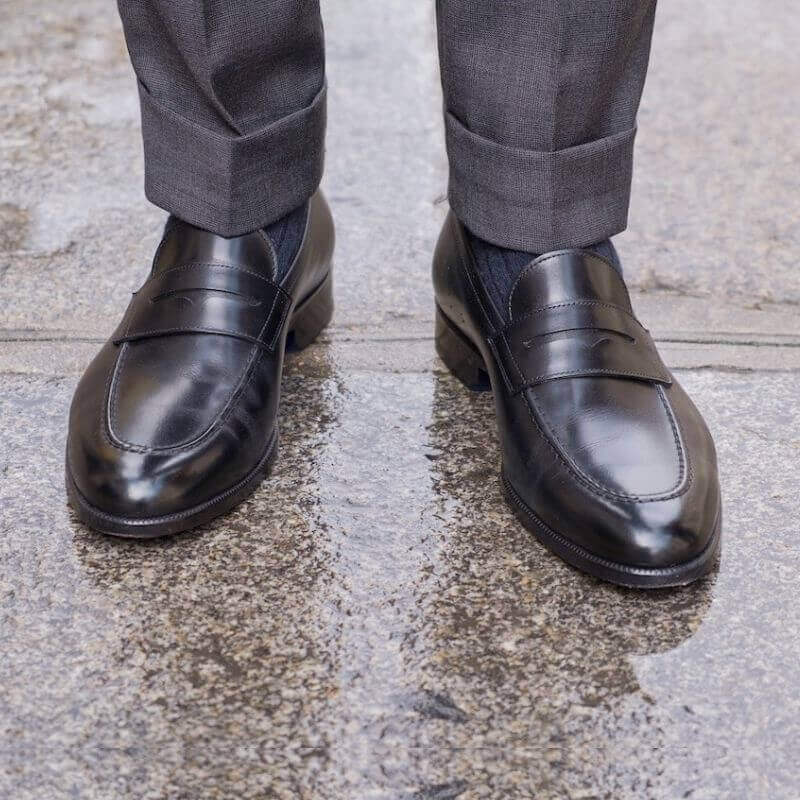
Leather soles, on the other hand, require more caution. To get the most out of them without risk, it is recommended to have a discreet rubber pad added by a cobbler.
Limit unnecessary exposure
In case of heavy rain, it’s better to anticipate:
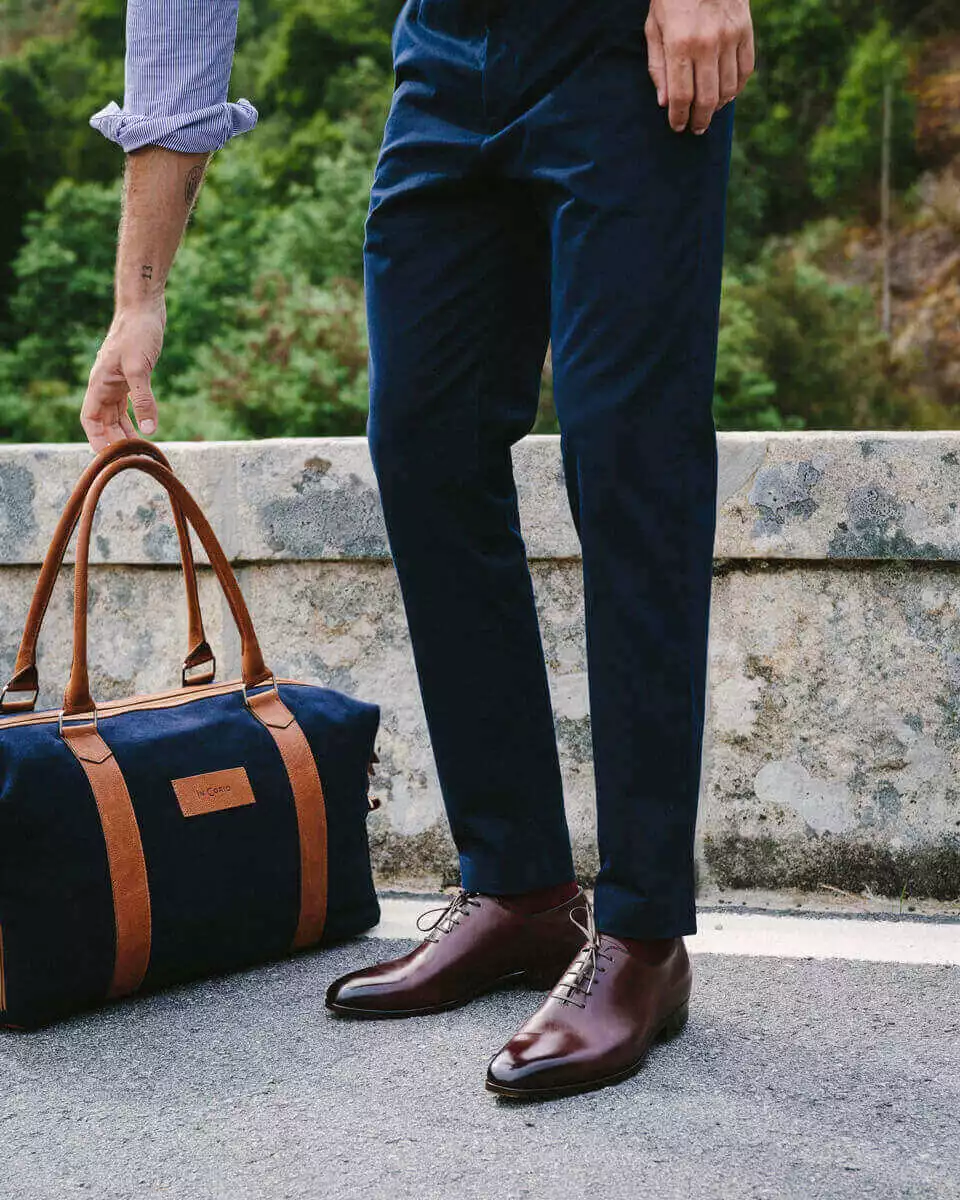
- Plan for a secondary pair to leave at the office.
- Change your shoes as soon as you arrive.
- Protect your favorite pairs with common sense: elegance also begins with the care you give to your shoes.
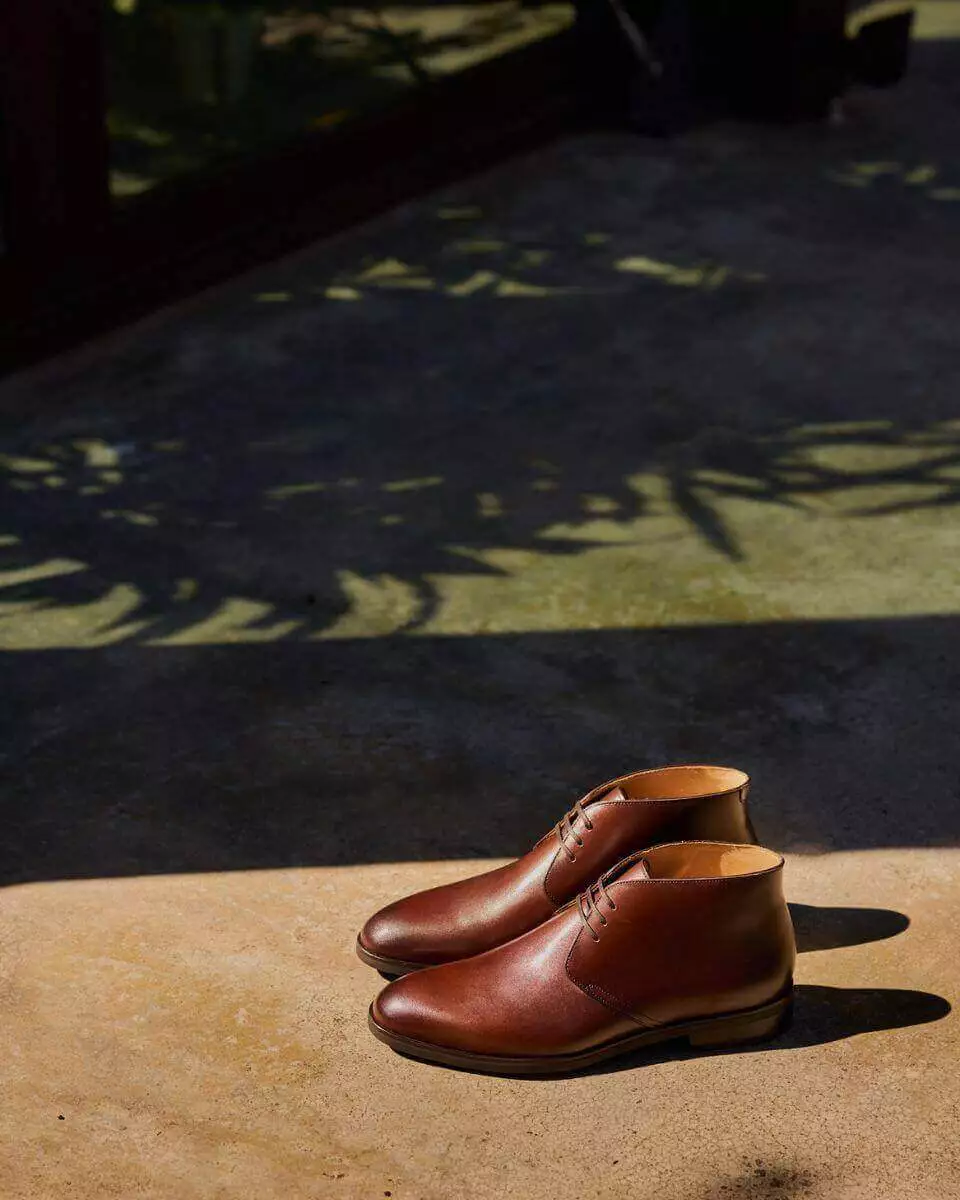
The right actions, as soon as you bring them indoors
The effectiveness of good maintenance often lies in quick action. A soaked shoe is not a lost cause, provided you react methodically:
- Remove the laces to prevent them from retaining moisture.
- Gently clean the surface with a dry, clean cloth.
- Never try to speed up drying with a radiator, hairdryer, or any other direct heat source. This could deform the leather or even cause it to crack.
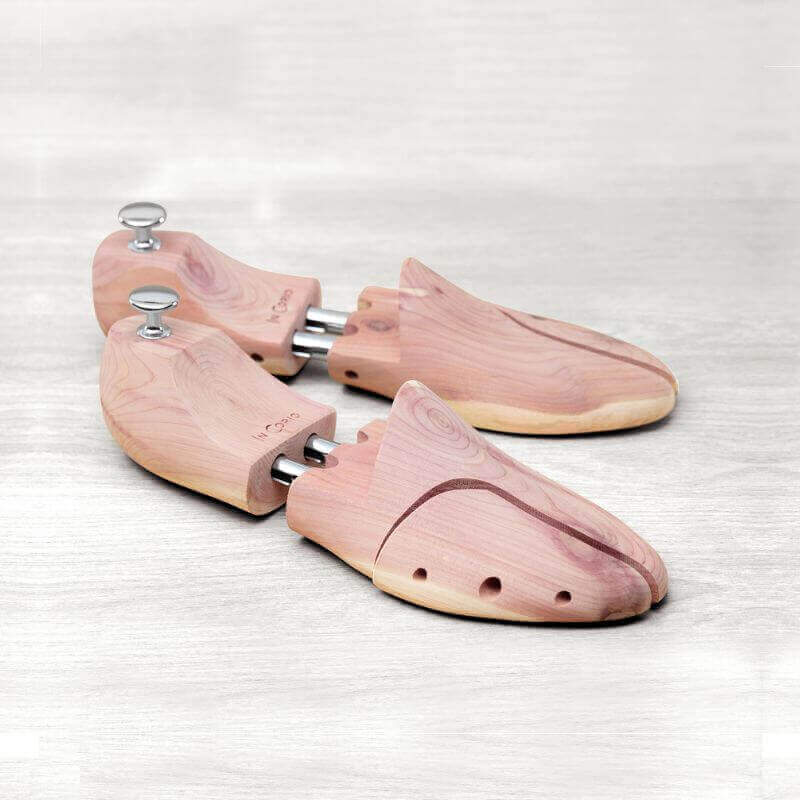
- Insert your raw wooden shoe trees, and place the shoes on their side at room temperature, in a dry place, so they dry slowly and evenly.
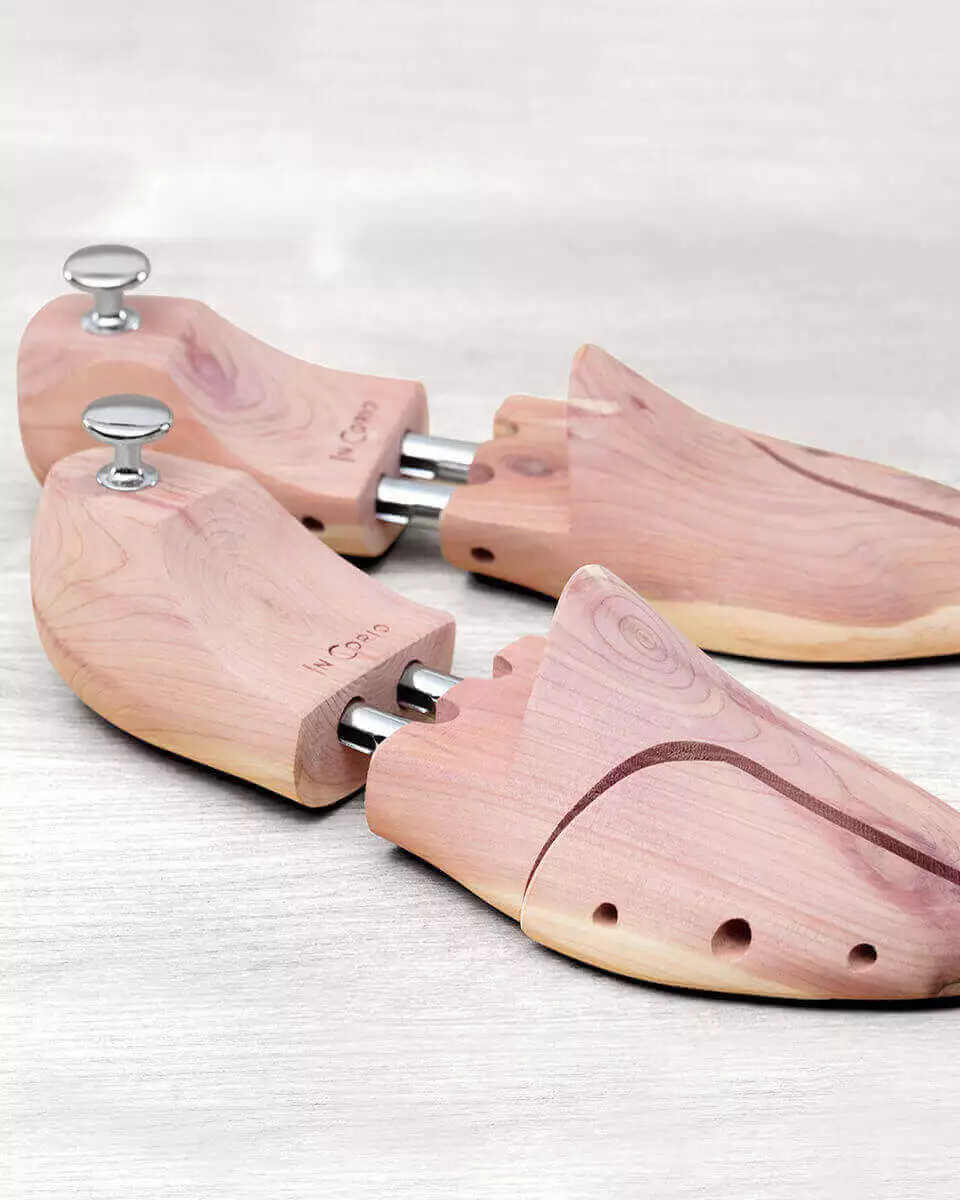
The importance of the right accessories
To help leather regain its original shape and volume, the use of cedarwood shoe trees is highly recommended. They absorb residual moisture while helping the shoe maintain its form.
Alternatively, you can use rolled-up newspaper, without packing the interior too tightly, although this solution is less effective.
Complete drying can take 48 to 72 hours, depending on the level of moisture and the material.
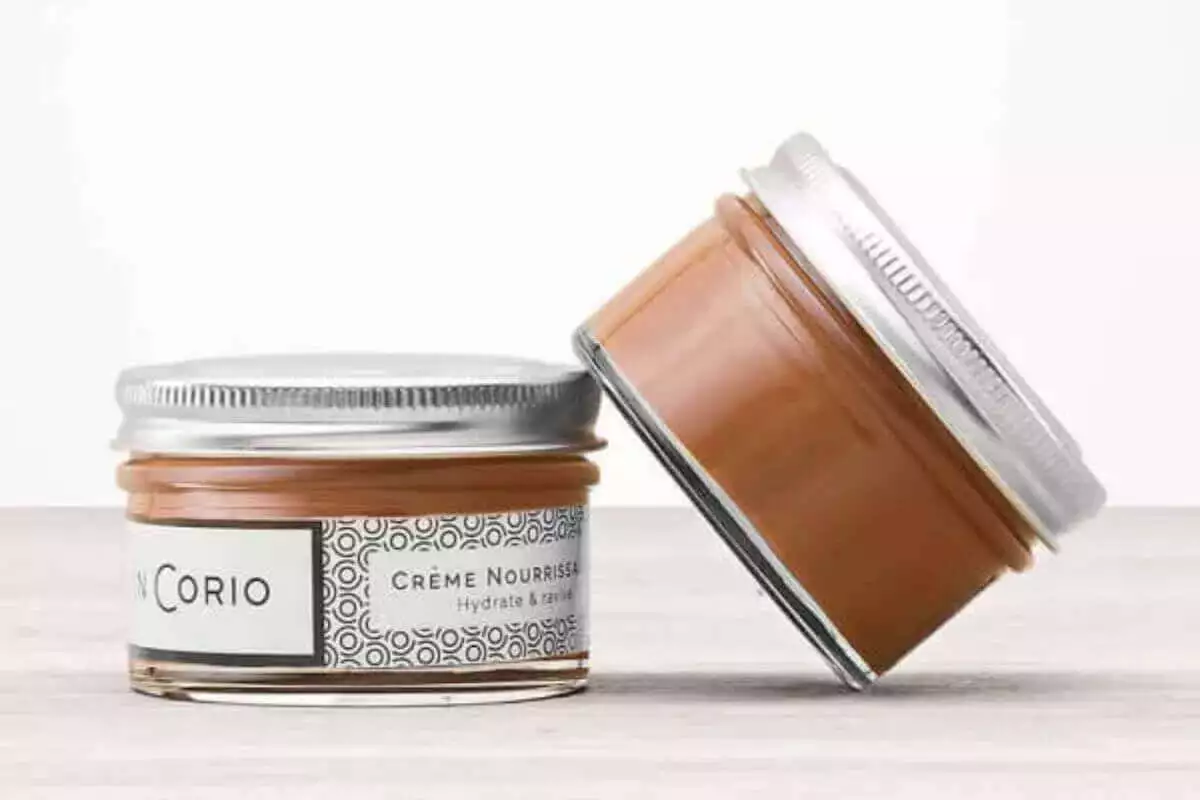
Nourish and restore the leather
Once the shoe is completely dry:
- Apply a nourishing cream suitable for the color of the leather. It restores suppleness and elasticity to the material.
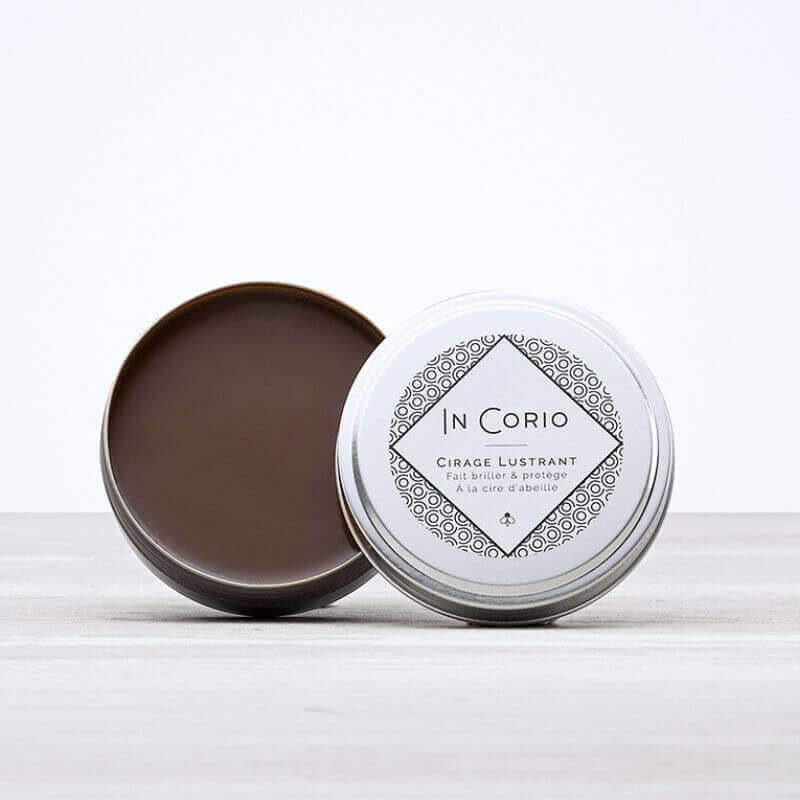
- Then, proceed with a light polishing using a beeswax-based shining cream to revive the shine and restore water-repellent protection.
For suede, never use polish; instead, a brush stroke and a spray of renovator will help restore the protective barrier before the next wear.
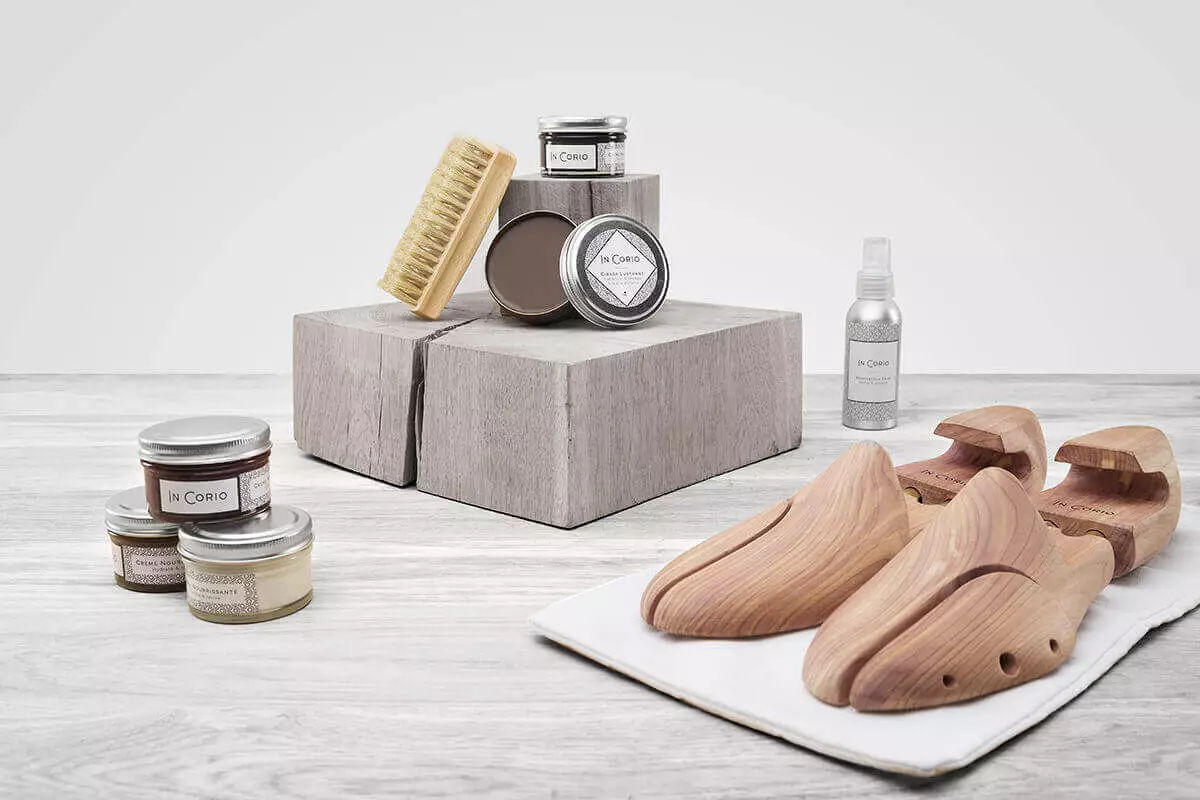
Essential products and accessories to protect your leather shoes
To keep your shoes impeccable season after season, here are the essentials to include in your routine:
- Wax polish (colorless or tinted, depending on the leather).
- Nourishing cream, to maintain suppleness.
- Cleaning milk, gentle and non-aggressive.
- Waterproofing / repair spray specifically for suede (silicone-free for nubuck/suede).
- Suitable brushes: horsehair for smooth leather, crepe brush for suede.
- Raw cedar shoe trees, absorbent and shaping.
- Rubber heel taps, to be installed by a cobbler, to extend the lifespan of leather soles.

Protect your leather shoes: essential tips for optimal durability