Shoe Trees: Everything You Need to Know to Choose Wisely

Made of wood or plastic, shoe trees are much more than simple accessories. Their mission? To preserve the shape and structure of your shoes, especially leather ones, which soften and crease over time.

Each step leaves a story, but that story shouldn’t be written across the vamp. Yet without proper care, creases, deformations, or moisture can dull the elegance of even the most refined shoes.

At In Corio, we consider the shoe tree an essential companion to every pair of shoes, extending the life of the leather while preserving its comfort and style. This guide sheds light on how to use them, the most relevant selection criteria, and helps you invest wisely in this indispensable accessory of everyday elegance.

What is a shoe tree used for?

Maintain the shape of the shoe

Leather is a living material. It stretches, adapts, but can also lose its elegance. Without a shoe tree, the upper collapses, and the shoe becomes misshapen. By inserting a shoe tree right after use, you help the shoe maintain its original silhouette.

Imagine two identical pairs: one always stored with shoe trees, the other left without. After six months, the difference is striking—collapsed upper, deep creases, and a tired look.
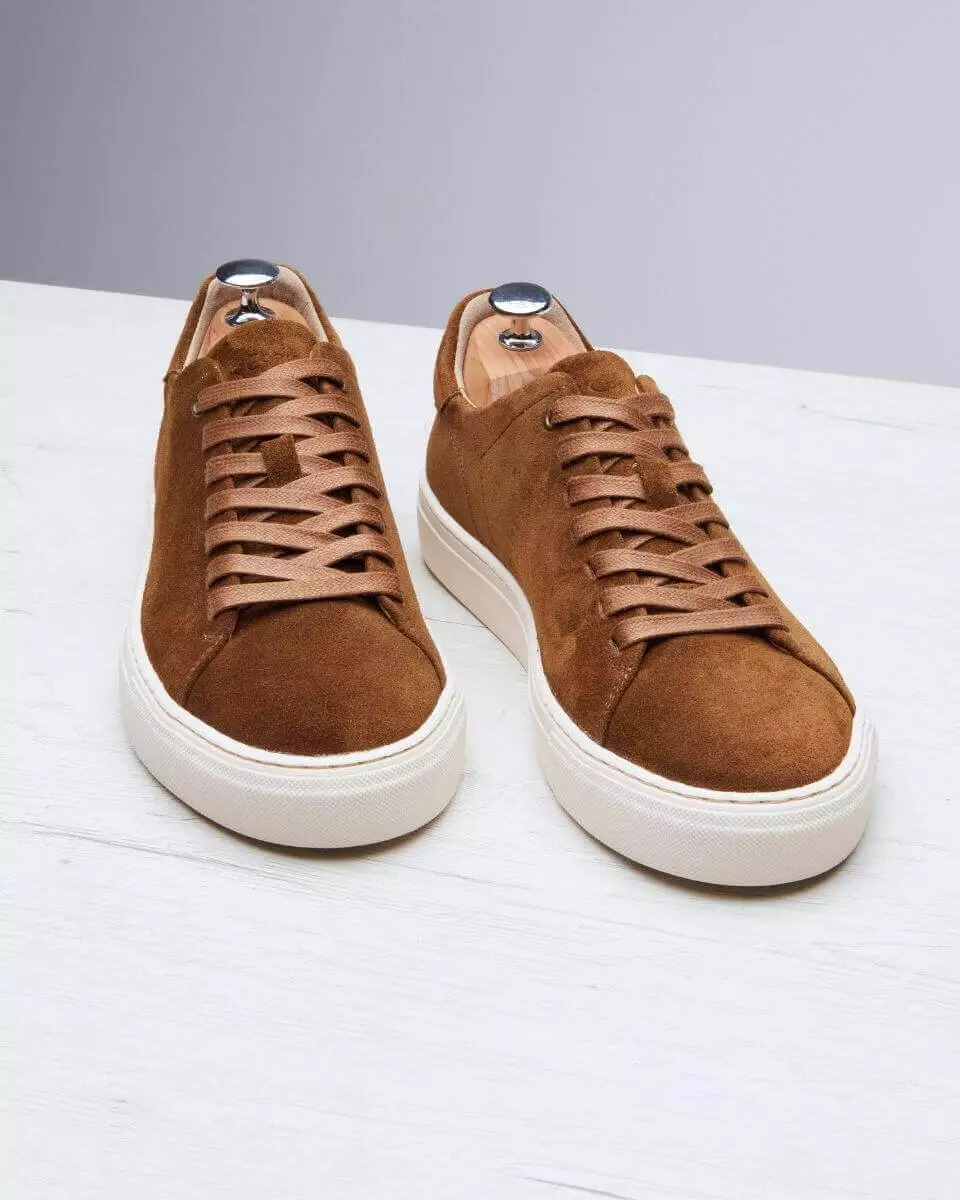
Reduce comfort creases

Each step creates movement on the upper, and creases on the leather are natural. Shoe trees, by applying light but constant tension, help reduce these inevitable marks. Fewer breaks and creases: the discreet ally of your elegance.
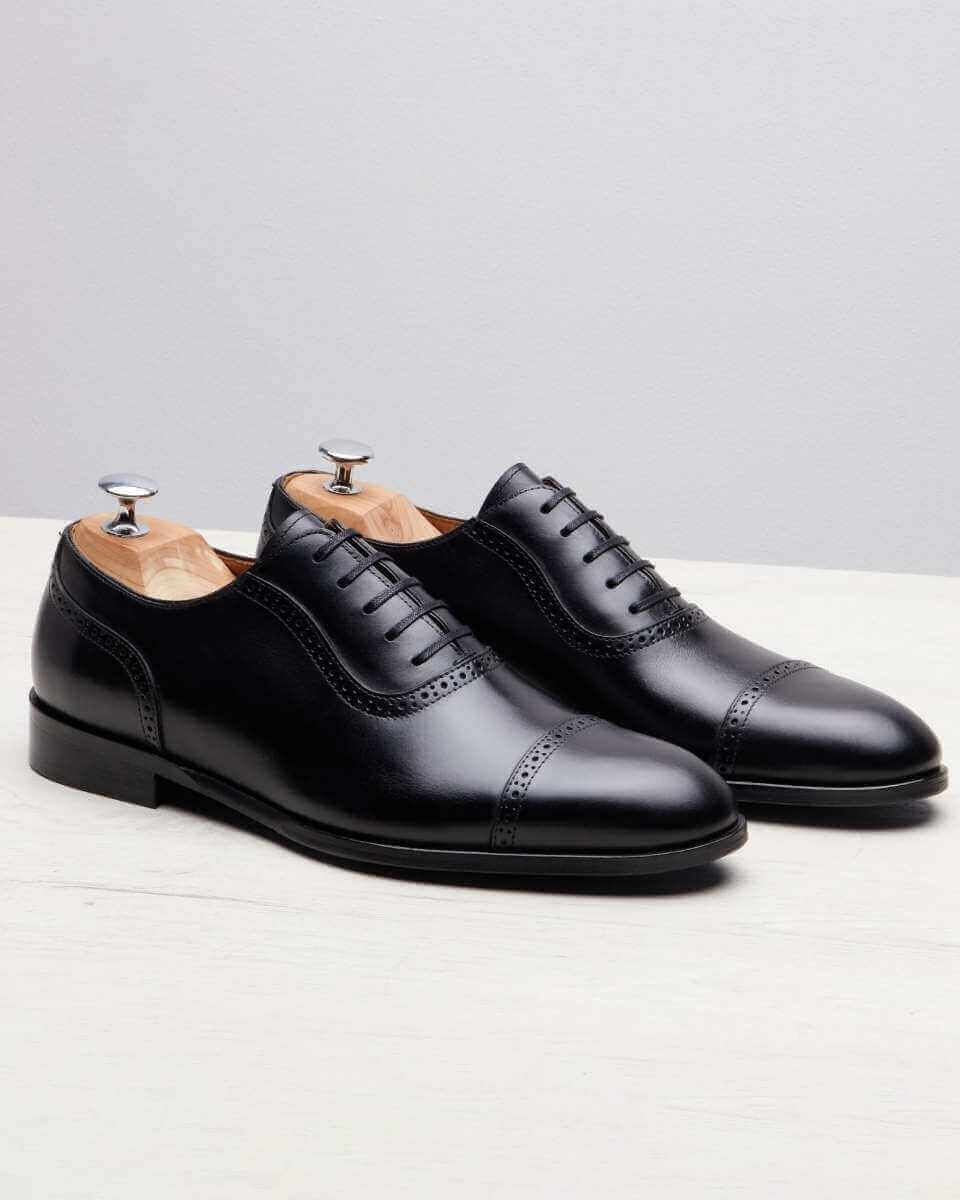
Absorb moisture and perspiration

A worn shoe becomes a humid microclimate. Leather and lining absorb moisture from the foot or from the outside. Raw wood, especially cedar or beech, acts as a natural regulator.

Fighting against odors and moths

Red cedar doesn't just absorb moisture. Its pleasant woody scent and antifungal properties make it a natural barrier against bacteria, odors, and even moths.
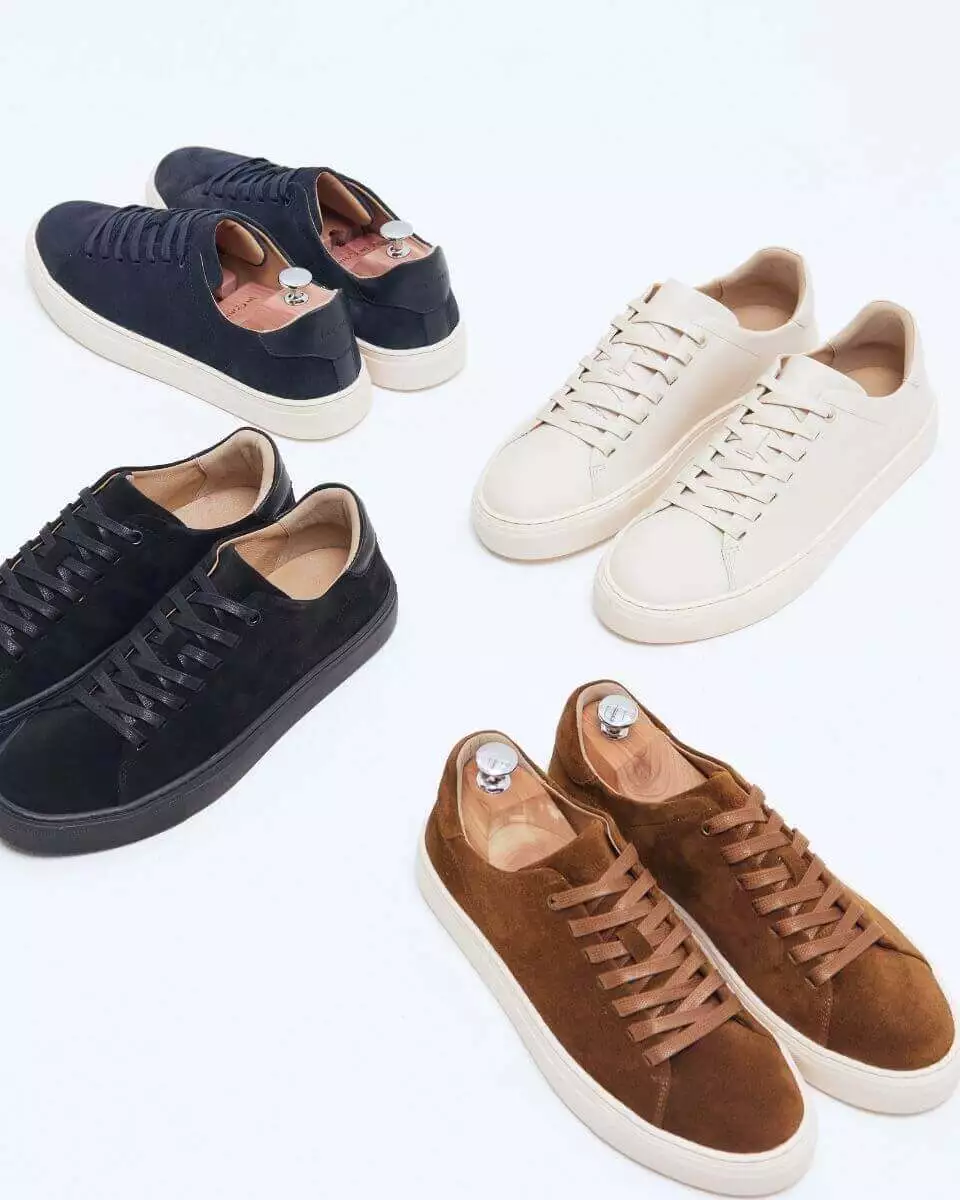
The different types of shoe trees

By Material

Raw Red Cedar ★★★★★

Antifungal, moth-repellent

Common dual mechanism

Highly recommended


Raw Beech ★★★★☆

No specific natural properties

Good alternative to cedar


Plastic ☆☆☆☆☆

No specific natural properties

Lightweight but lacks ergonomics

For transport only


Varnished woods should be avoided: their lack of porosity prevents moisture absorption. As for plastic, its lightness may be useful for travel, but it does not fulfill the essential functions expected of a good shoe tree.
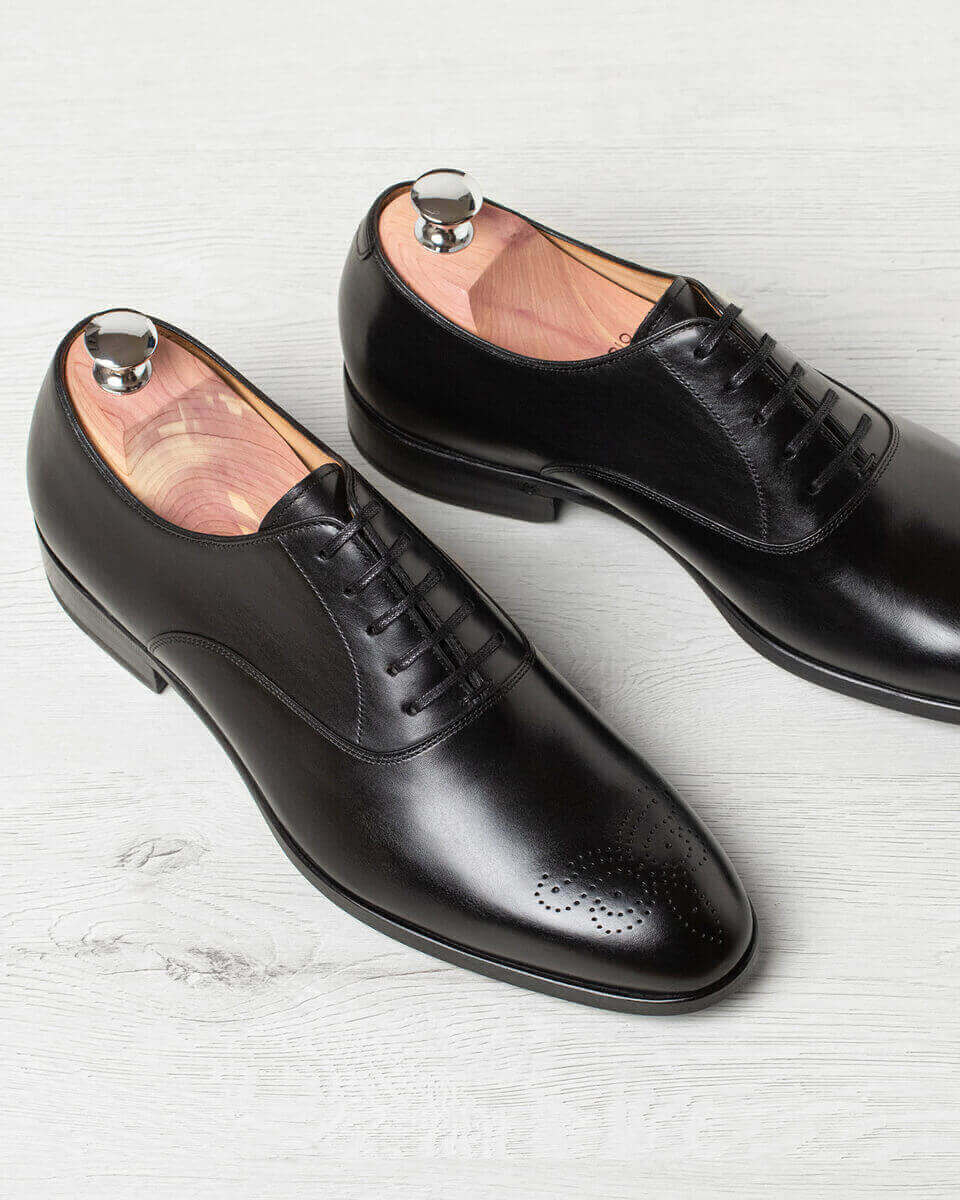
By use

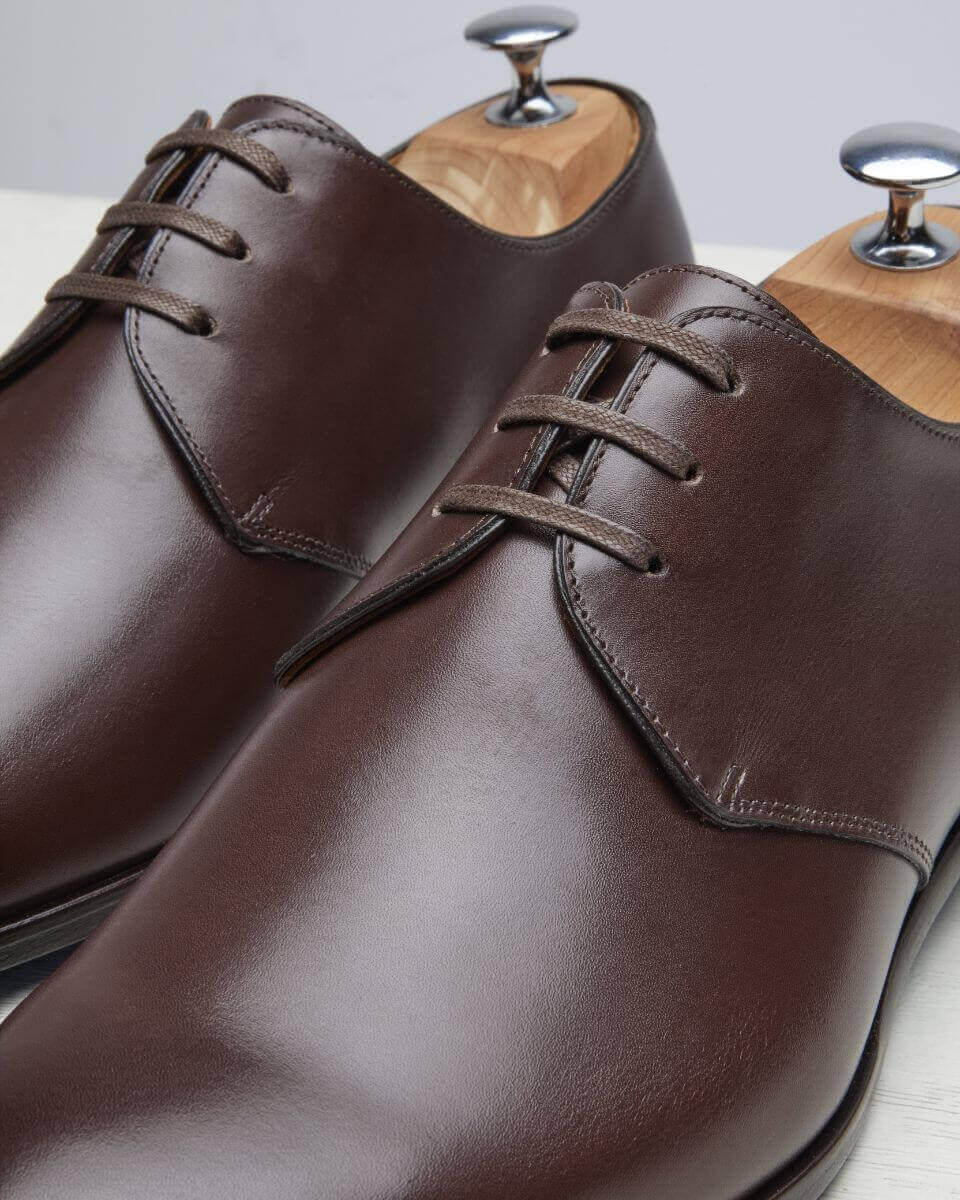
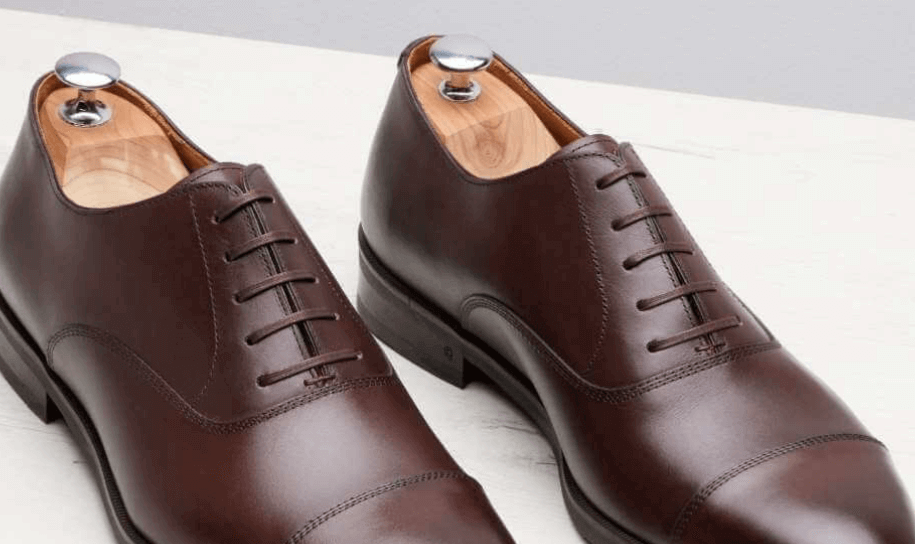
  • Classics: For low-cut shoes like Oxfords or Derbies, and ankle boots, as it’s mainly the lower part of the shoe that needs to retain its shape.


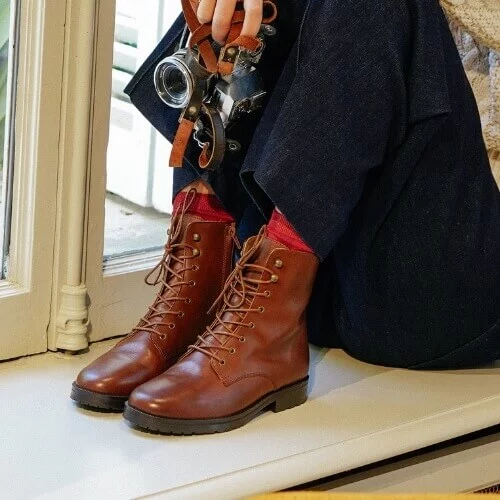
  • For boots: Elongated shape with reinforced shaft to prevent vertical collapse.


  • Travel models: Made of plastic, foldable or very lightweight.


  • Stretchers: "Forced" models, to be used with caution. Do not replace a properly fitted shoe.


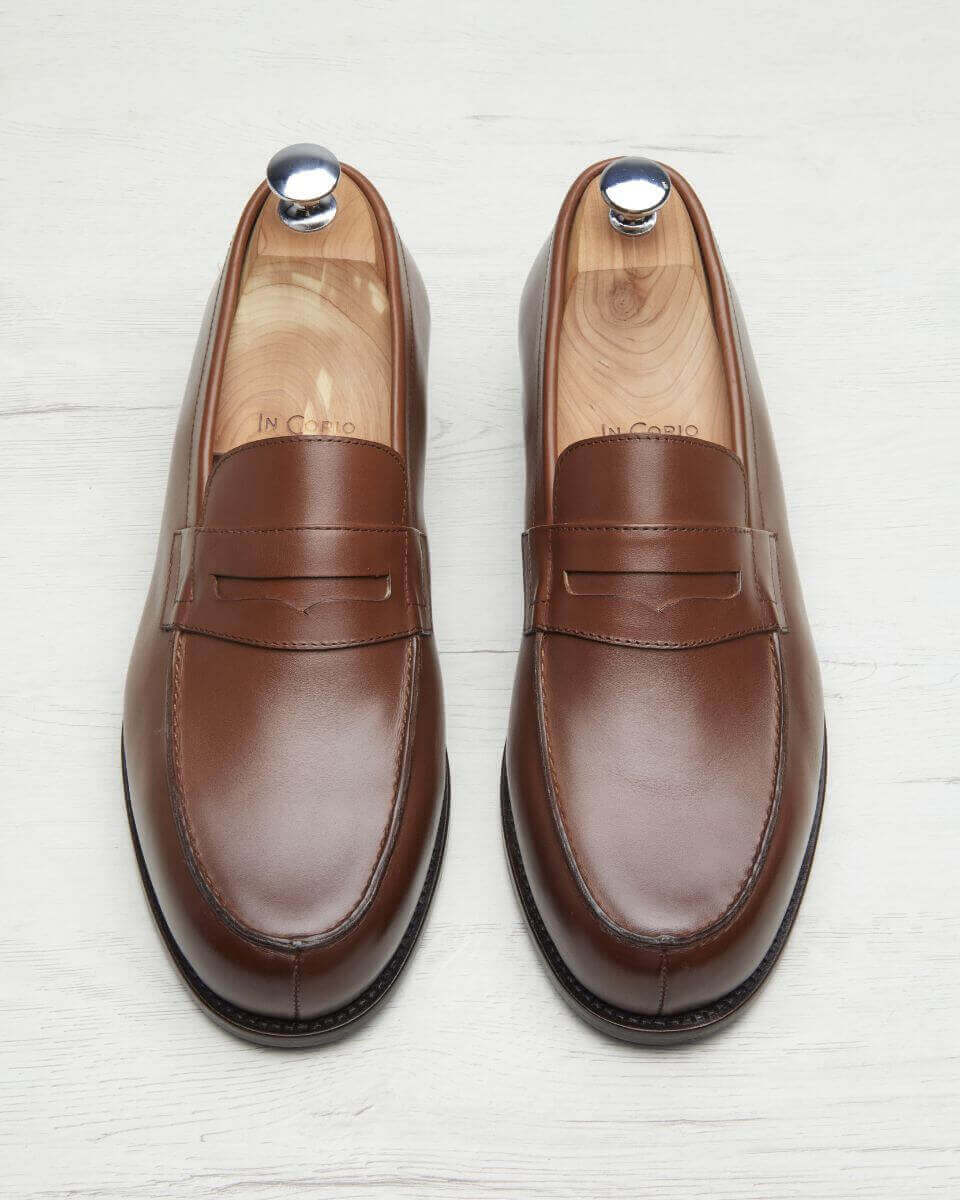
At In Corio, we favor classic raw wood shoe trees for their effectiveness, aesthetics, and durability. They are perfectly suited for our classic leather shoes and sneakers. A choice that extends the life of the leather while preserving the understated elegance of our designs.
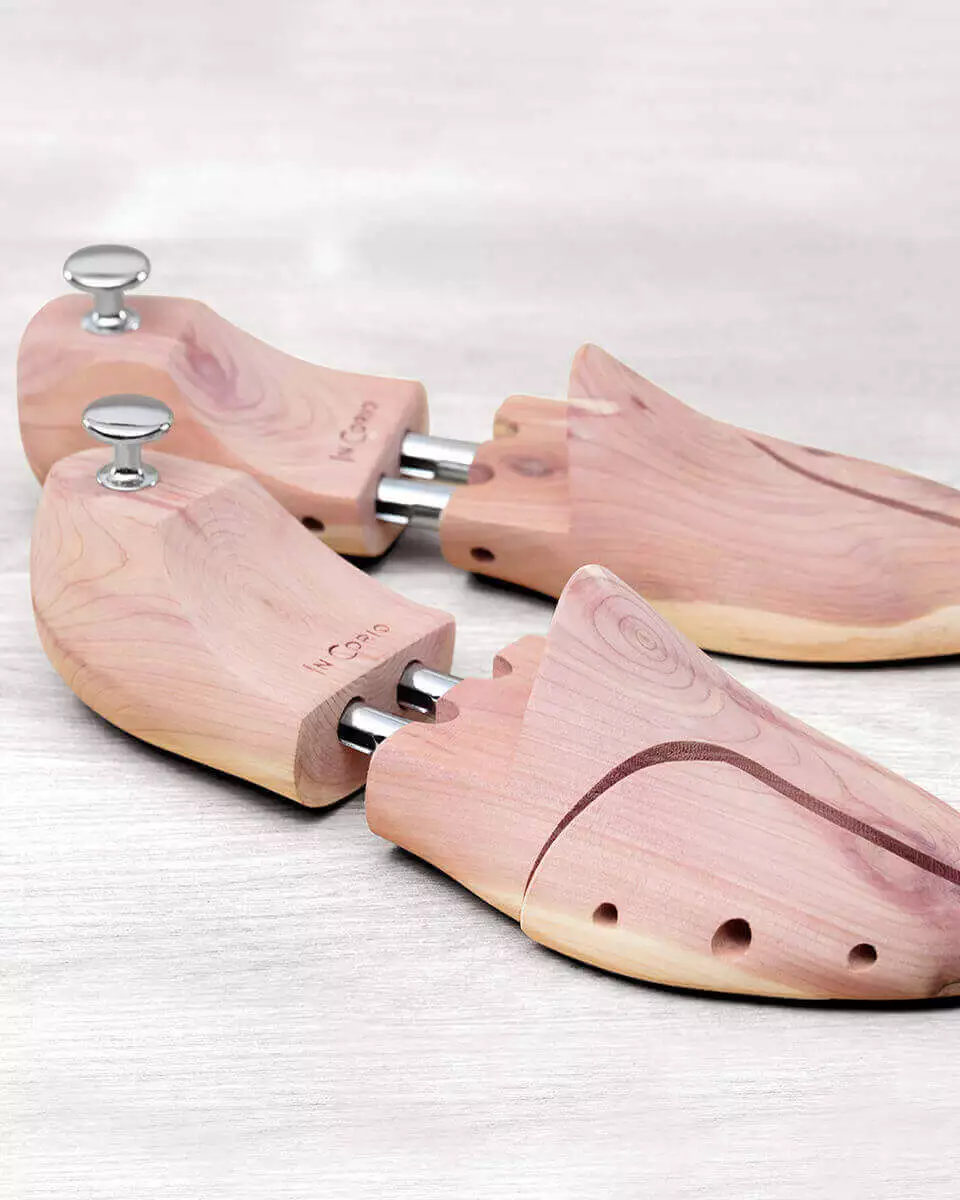
How to choose the right shoe trees?

The right size

A poorly fitted shoe tree is almost as useless as no shoe tree at all. Too small, it doesn’t fill the shoe; too large, it deforms the structure. An adjustable shoe tree is the best compromise, adapting perfectly to the shape of the shoe.

At In Corio, our size guide will help you match each pair with its dedicated shoe tree, respecting the specific shape and material of the shoe.
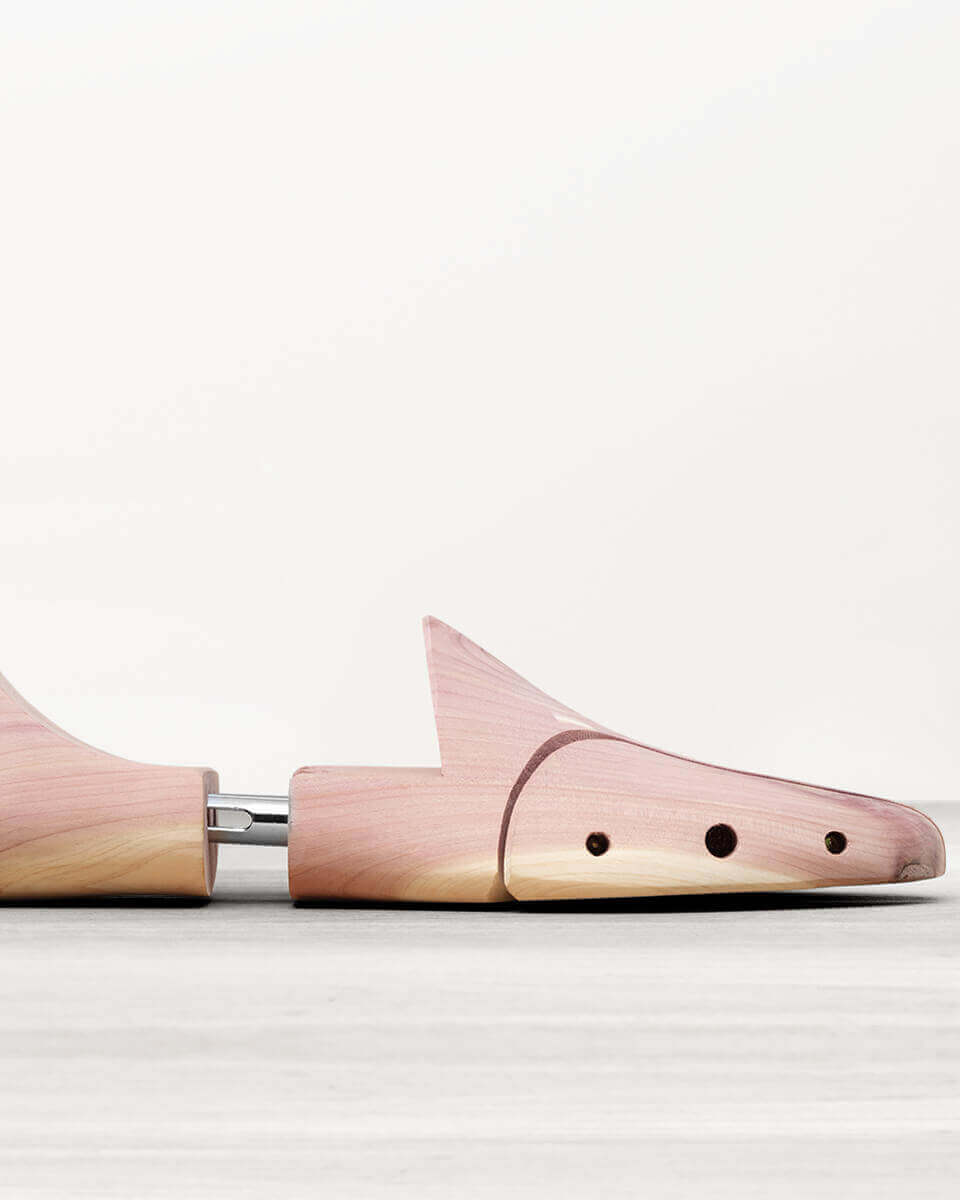
Shape and Construction

The ideal construction of a shoe tree includes a dual mechanism: length and width adjustment. This allows for even tension across the entire shoe and maintains the arch shape. This type of mechanism is particularly well-suited for full-grain leather shoes.

A one-piece shoe tree made from raw wood, properly calibrated, is also acceptable as long as its shape fits your shoes well. It will therefore be less versatile.
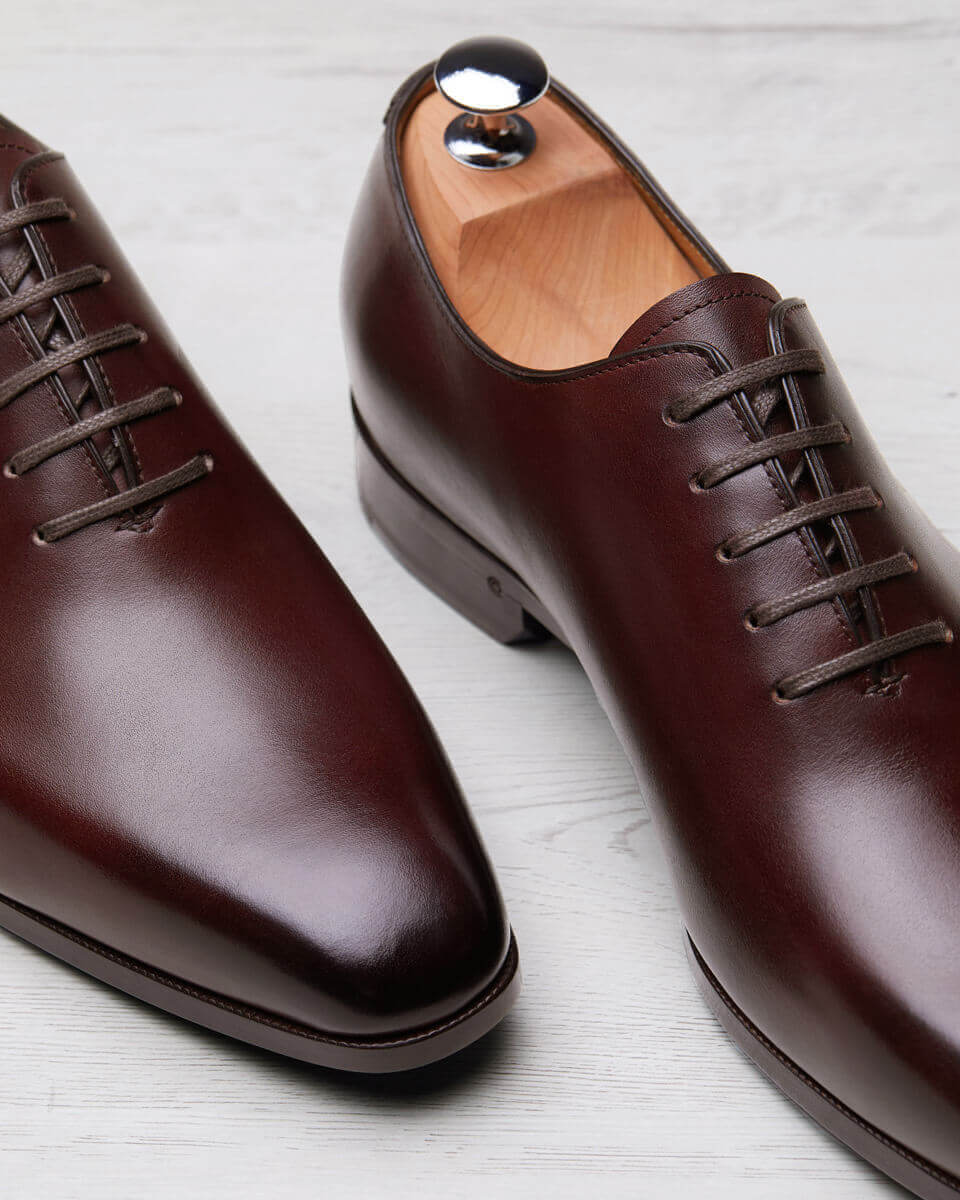
Ergonomics and Practicality

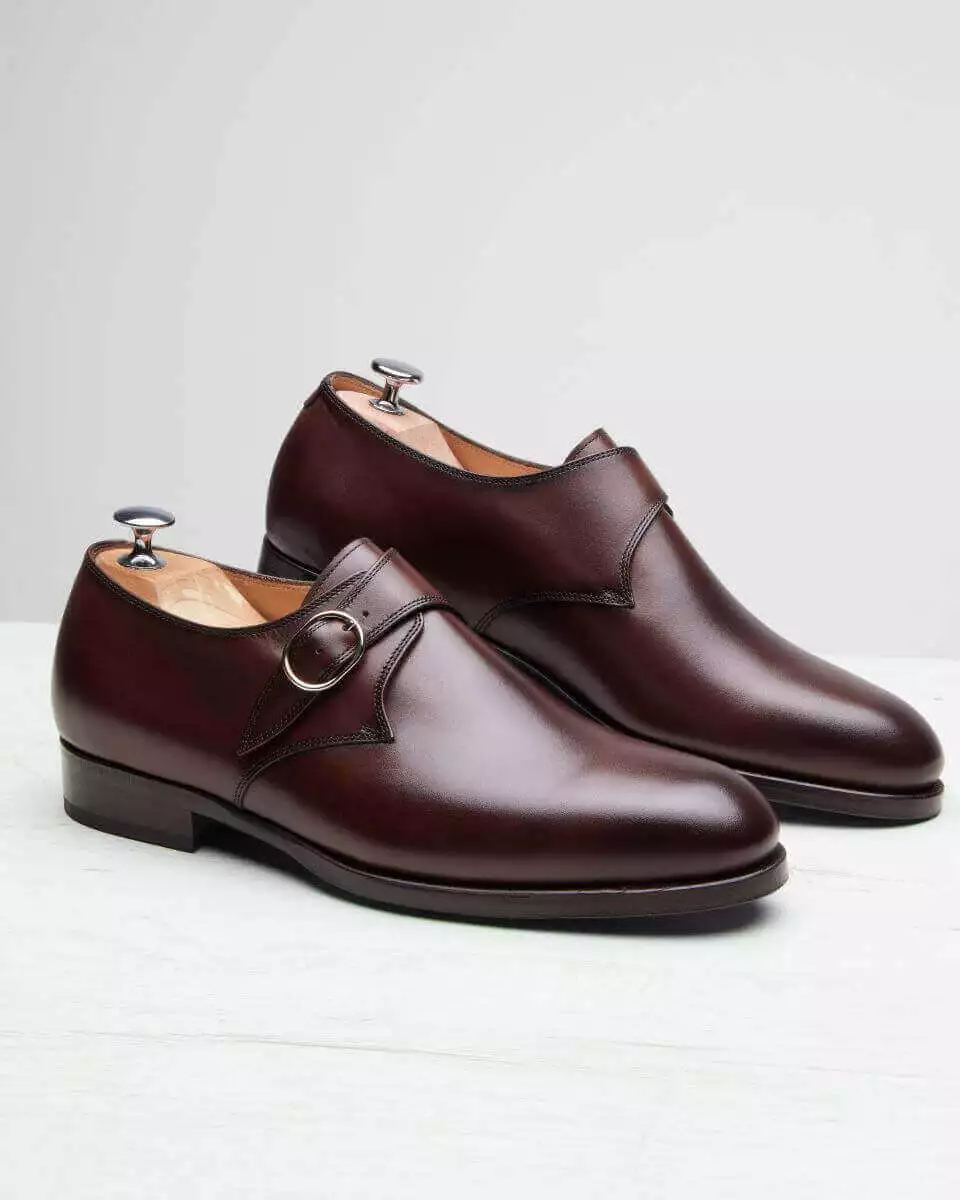
A good shoe tree is, above all, functional. An integrated handle (often made of brass or polished metal) makes it easy to insert and remove without damaging the back of the shoe.

Some high-end models also feature a rounded heel piece to respect the shoe's anatomy and a sculpted front to support the toe box without putting pressure on it.

When and how to use your shoe trees?

Ideal Frequency

You can insert raw wooden shoe trees as soon as you take off your leather shoes. Their porosity effectively absorbs residual moisture. The shoe trees can then remain in place until the next wear. This allows the leather to slowly regain its shape and dry in proper conditions.

For varnished shoe trees, it's better to wait 1 to 2 hours to allow the moisture to evaporate.

In case of rain

When a leather shoe is soaked, the priority is to absorb the moisture. Start by inserting newspaper to draw out the water. Once the excess moisture has been removed (after a few hours), replace the paper with a raw wooden shoe tree.

In this case, the shoe tree becomes a vital ally: it preserves the shape while helping to dry out the inside of the shoe.
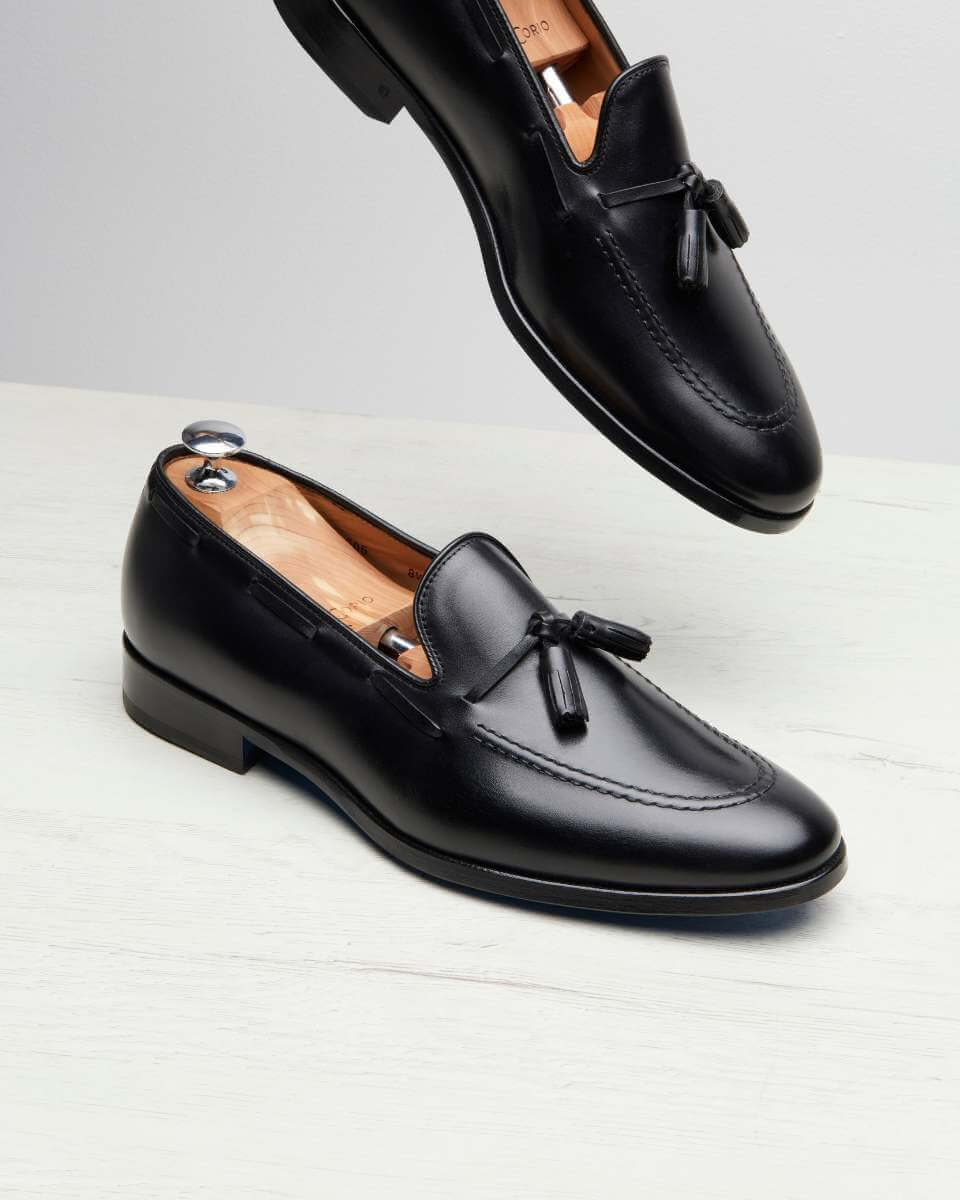
What budget should you plan for good shoe trees?

The price of a shoe tree often reflects its quality, material, and manufacturing precision.

  • Entry-level (€10–20): Most often made of plastic or varnished wood. Not recommended for regular use, as they are ineffective at absorbing moisture and can sometimes deform the shoes.
  • Mid-range (€25–50): Made of raw red cedar or solid beech. Excellent value for money. Ideal for daily use.
  • High-end (€70–150): Custom-sculpted models or those with complex mechanisms. Perfect for very specific or high-value shoes.

At In Corio, we recommend investing in raw cedar shoe trees to pair with our shoes, as they strike the right balance between maintenance, aesthetics, and effectiveness.

Where to Buy Quality Shoe Trees?

Buying a good shoe tree depends as much on choosing the right product as on the reliability of the seller. In physical stores, direct fitting and personalized advice are real advantages. But online shopping, when well guided, offers undeniable convenience.

At In Corio, we offer a carefully curated selection of accessories designed to complement our collections. Each shoe tree is chosen for its ability to enhance the shape and preserve the material of our shoes.

Before purchasing, check these criteria:

  • Raw material (avoid varnished or laminated woods)
  • Presence of a dual mechanism
  • Clean finish with no rough edges
  • Clear return policy

A good shoe tree should not be a compromise, but a natural extension of the care you give to your shoes.

Mistakes to Avoid with Shoe Trees

Even a good shoe tree becomes useless if used incorrectly. Here are the most common mistakes:

  • Choosing the wrong size: too big, it warps the shoe; too small, it’s ineffective.
  • Using varnished wood: it prevents moisture absorption.
  • Using plastic daily: keep it for transport only.
  • Forgetting them after the rain: never insert a shoe tree into a soaked shoe without absorbing the water first.

The right habit: a properly sized, raw wood shoe tree used methodically and regularly.

FAQ

What wood should you choose for a quality shoe tree?

Raw red cedar is the go-to wood. In addition to its beautiful finish, it is naturally antifungal, moth-repellent, and releases a pleasant woody scent that helps purify the leather. Raw beech is a good alternative if you're looking for a balance between effectiveness and budget.

When should you insert shoe trees?

If they're made from raw wood—especially red cedar—you can insert them as soon as you take your shoes off. The shoe trees can then stay in place until the next time you wear the shoes. For varnished wood, you'll need to wait 1 to 2 hours before using them, as the shoes need time to dry first.

Do shoe trees stretch shoes?

No, unless you're using so-called “stretchers,” which are specifically designed to widen shoes. Standard shoe trees simply help maintain the original shape of the shoe.

The right steps to protect your leather shoes
How to care for your leather shoes?

Your cart
There are no more items in your cart
ADÉLAÏDE ADÉLAÏDE
MARGAUX MARGAUX
CLÉMENCE CLÉMENCE
SONIA SONIA
EDMOND EDMOND
ADÈLE ADÈLE
MAUD MAUD