Polishing leather shoes: the 5 mistakes that ruin your shoes
Polishing your leather shoes. A simple gesture on the surface, almost instinctive. Yet behind this ritual lie many misconceptions — and just as many mistakes that can irreversibly damage even high-quality leather.
At In Corio, we understand how well-maintained leather ages gracefully—and how a poorly executed gesture can, in just a few minutes, compromise the work of an artisan or the patina patiently developed over time. Too much polish, insufficient prep work, the wrong area glazed… so many seemingly minor missteps that can leave a lasting mark on the material.
This article offers a clear, structured guide built around the 5 most common mistakes to avoid when polishing shoes. It’s intended for anyone who wants to care for their shoes over time, with precision and respect for the materials.
Error #1: Using only wax polish paste
Paste ≠ cream: a common confusion
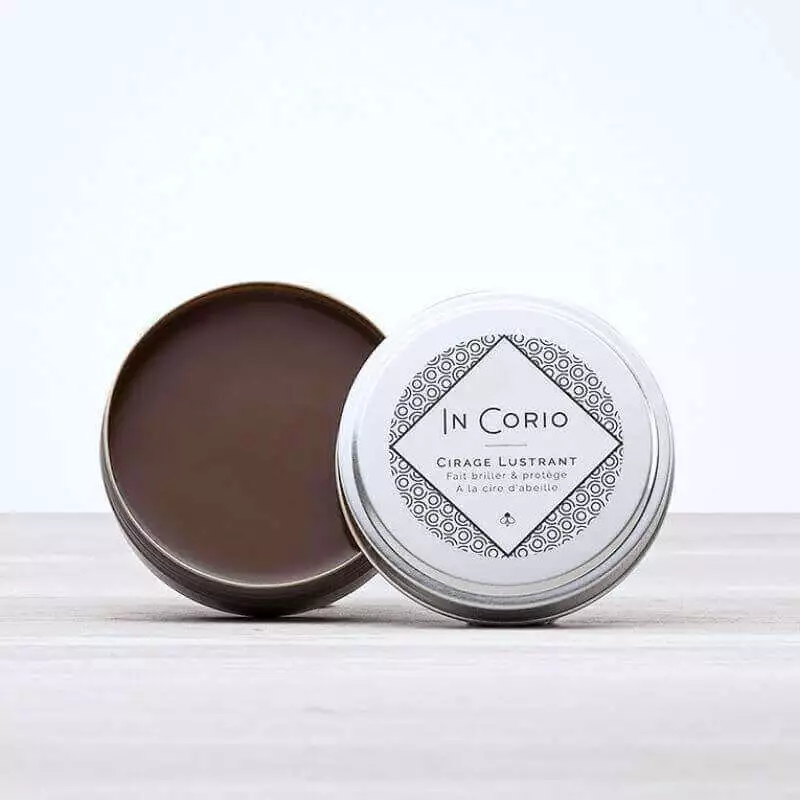
This is the most common mistake: thinking that shoe polish paste is enough to care for a shoe. It’s wrong — and potentially harmful. Polish paste is formulated to make shoes shine, not to nourish them. Composed of more than 90% waxes (including beeswax), it creates a shiny layer on the surface but barely penetrates the leather.
The result: you get shine and some protection, sure, but the leather underneath stays dry. Over time, this leads to cracks, excessive stiffness, or even whitening of the leather on the most exposed areas.
The polishing cream: an essential care product
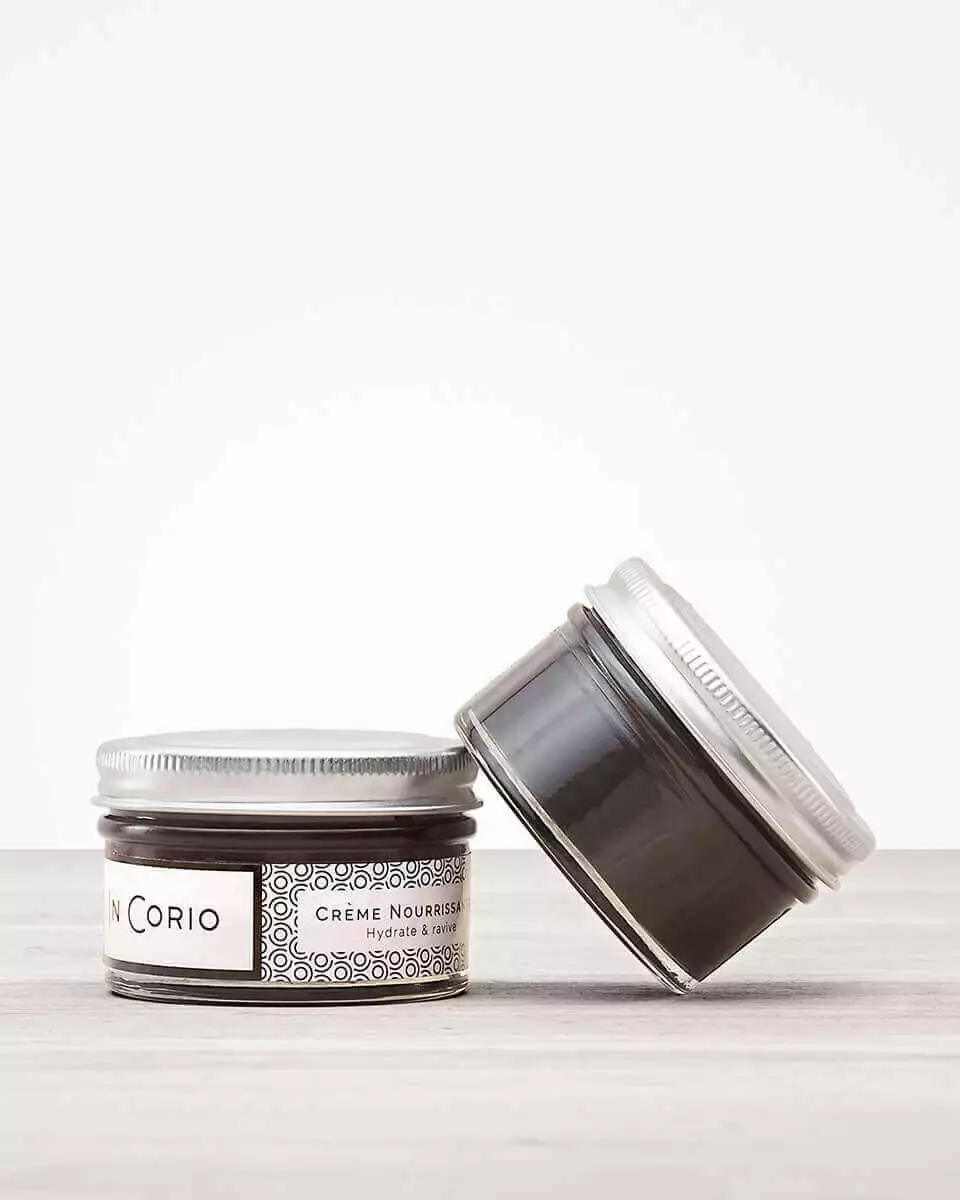
Unlike paste, nourishing cream is a complete treatment. It contains nourishing oils, pigments (to revive the color), and a small amount of wax for light protection.
It hydrates the material, restores suppleness, and works deep down. Without it, the leather eventually dries out, dulls, and loses its richness. The cream is therefore the core of regular maintenance.
The right ritual: clean → condition → polish
Good care always follows this order:
- Cleaning with a soft brush to remove dust.
- Application of nourishing cream, in a thin layer, with a soft cloth.
- Optionally, a touch of wax polish for shine, only on rigid areas.
At In Corio, we favor a measured approach—no excessive shine. Well-nourished leather often speaks for itself.
Error #2: Polishing new shoes without caution
A new leather is not always moisturized
You might think that a new pair is ready to be polished right out of the box. That’s not always the case. Some shoes are stored for several weeks, even months. As a result, the leather may be dry on the surface or slightly dehydrated.
Polishing without care then amounts to sealing already tired leather. The wax doesn't adhere well, the cream doesn't absorb, and the leather gets no real benefit.
The right reflex: brush and moisturize
Before anything else, carefully brush your new shoes to remove any storage dust. Then, apply a thin layer of nourishing cream and let it absorb for at least half an hour.
This simple gesture helps reactivate the leather fibers and prepares them to receive additional care (such as polishing or glazing).
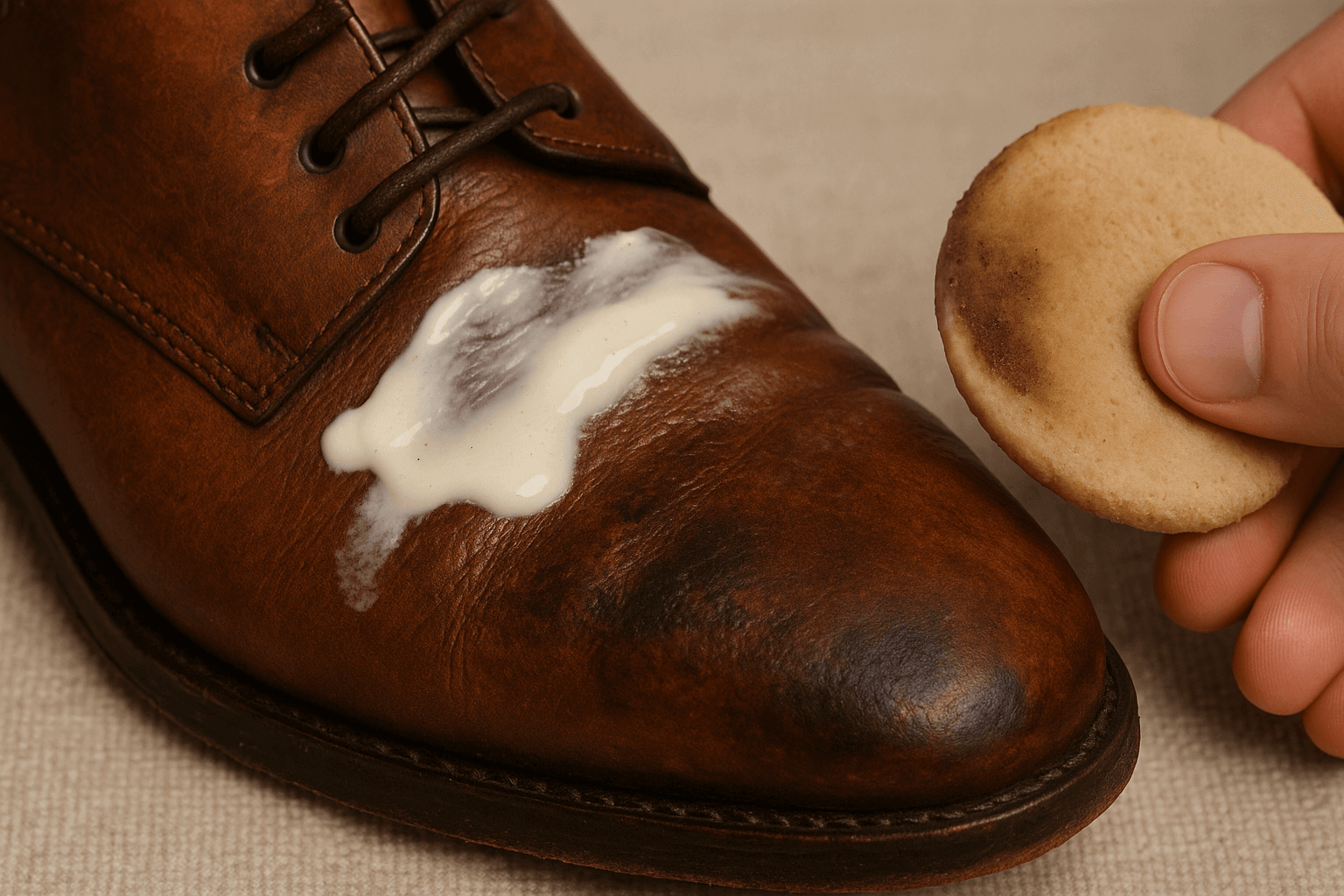
Avoid mirror shining on a new pair
Mirror shining is a surface treatment meant to create a glossy, mirror-like effect. On leather that is too new and not yet broken in, this treatment can be counterproductive. The shine doesn’t adhere well, cracks quickly, and weakens the surface.
It’s better to wait until the shoes have been worn a few times before attempting a mirror shine. Let the leather “live” a little before subjecting it to a high-gloss finish.
Error #3: Overfeeding or Overhydrating the Leather
An excess that weakens more than it protects
It’s tempting to believe that “the more you nourish, the better.” However, too much care can actually weaken the leather. Too much cream, too much lotion, or too much oil eventually saturates the material. The leather then loses its ability to breathe. It becomes sticky, overly soft, and deforms with use.
Dark stains can also appear—signs of saturated leather that can no longer absorb anything. In some cases, excessive buildup may even strip away the original finish, especially when applying multiple layers without allowing time to rest.
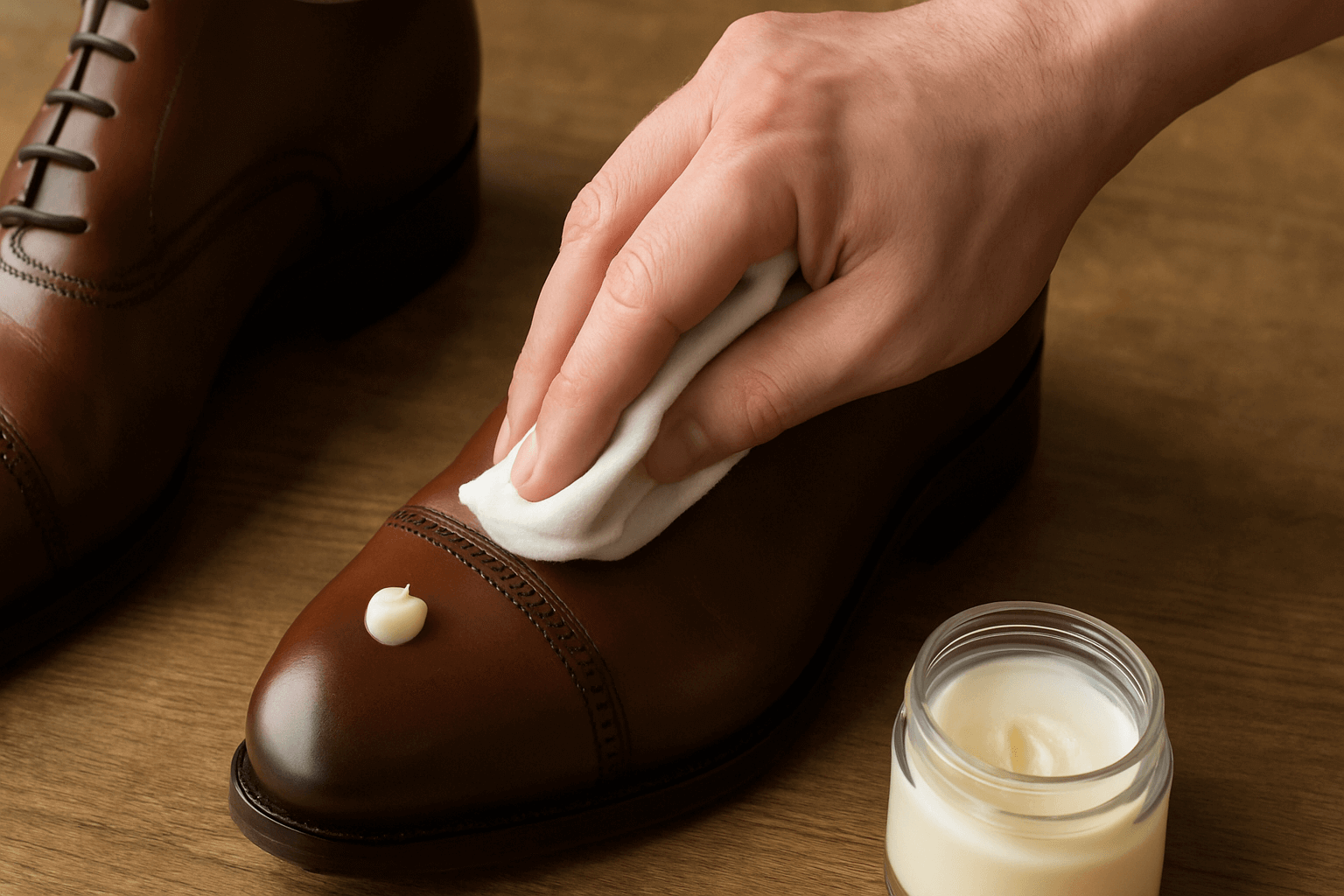
The right amount
Leather care is a matter of balance. A pea-sized amount of cream per shoe is more than enough for regular maintenance. Apply the cream with a soft cloth or chamois in circular motions, focusing on the flex points, and let it sit for about twenty minutes.
No need to apply more before the first layer has been absorbed. And above all, never layer products (oil + cream + wax) without a break. This will end up suffocating the material.
At In Corio, we favor spaced, regular care routines over one-time intensive treatments. Leather doesn’t need excess—it needs to breathe.
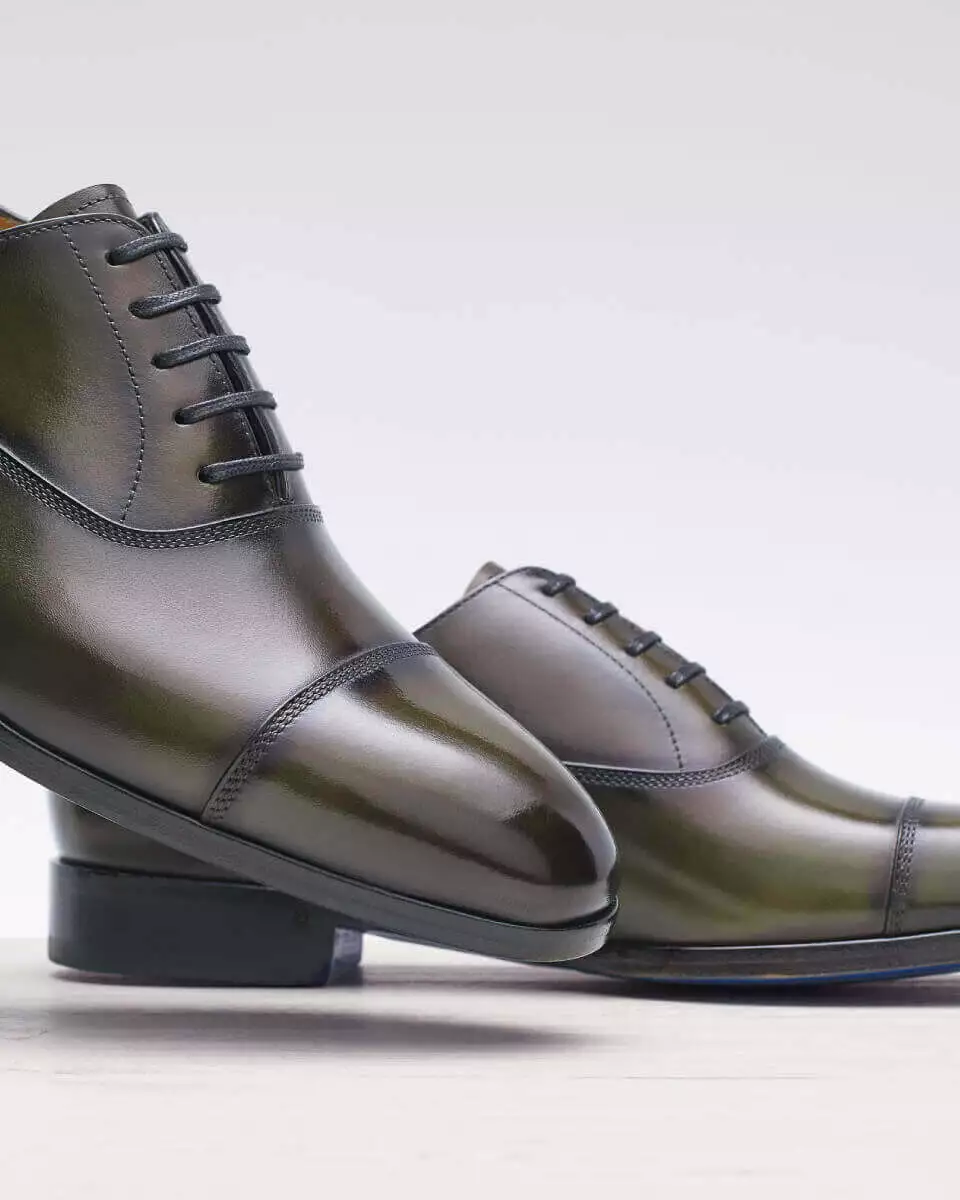
Repeat with precision
Well-maintained leather does not require constant hydration. Care every two to three weeks is more than enough, except in cases of intense exposure to moisture or dust. It’s better to maintain it lightly but regularly than to saturate it all at once.
Error #4: Glazing the entire shoe
Forbidden areas
Glazing should never be applied to flex zones (instep, inner or outer sides). Why? Because once the paste hardens, it cracks at the fold. It flakes, forms white marks, and in some cases, even damages the leather surface.
This mistake is often seen in those who want to “make the entire shoe shine”: the result may look good at first, but it ages very poorly.
Glazing is reserved for rigid areas that do not bend while walking:
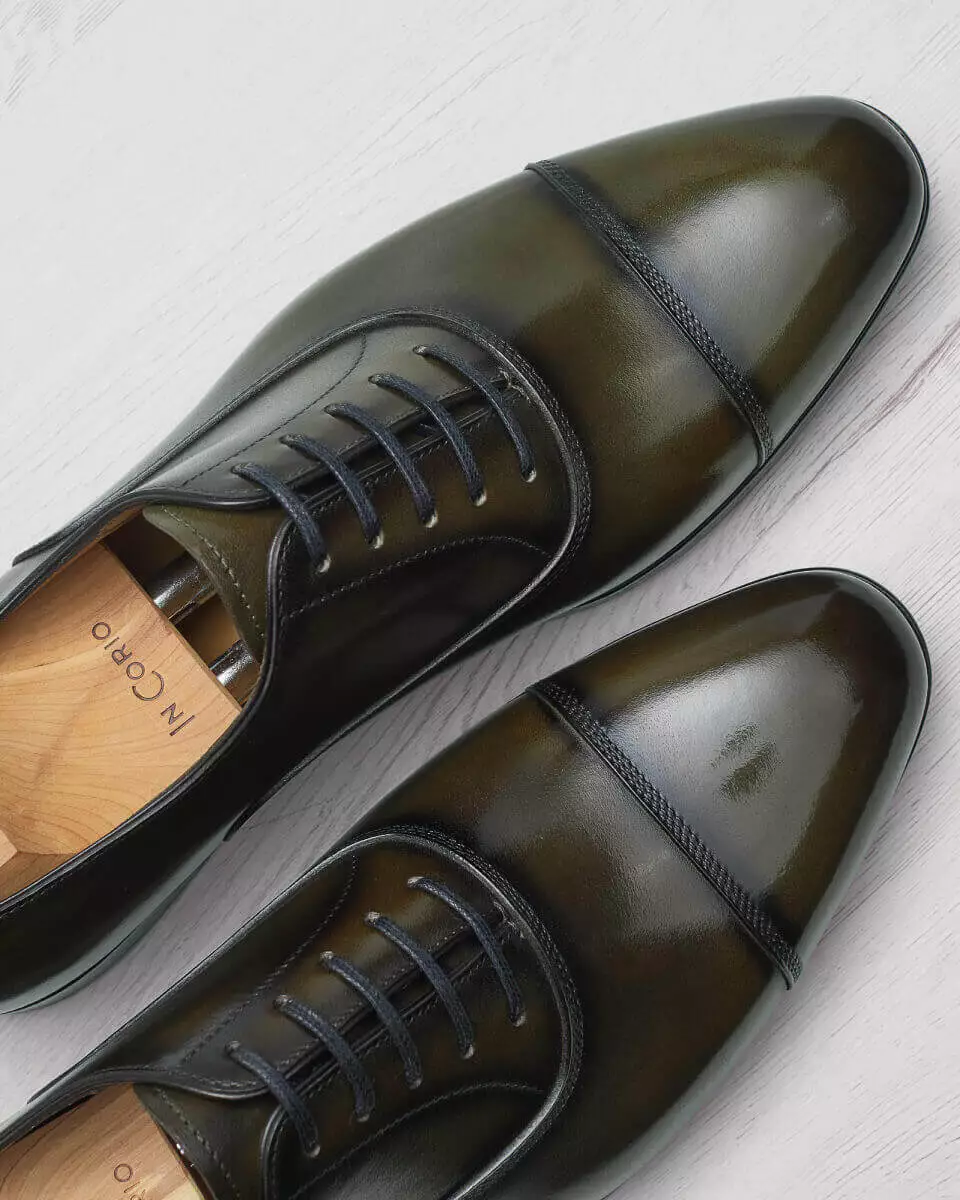
- The toe cap (front of the shoe),
- The heel counter (back of the heel).
These zones allow the glaze to last over time, without being affected by the mechanical stress of the foot.
Elegance is not measured by overall shine, but by precision of technique. A partial glaze, well executed, holds more value than a forced gleam.
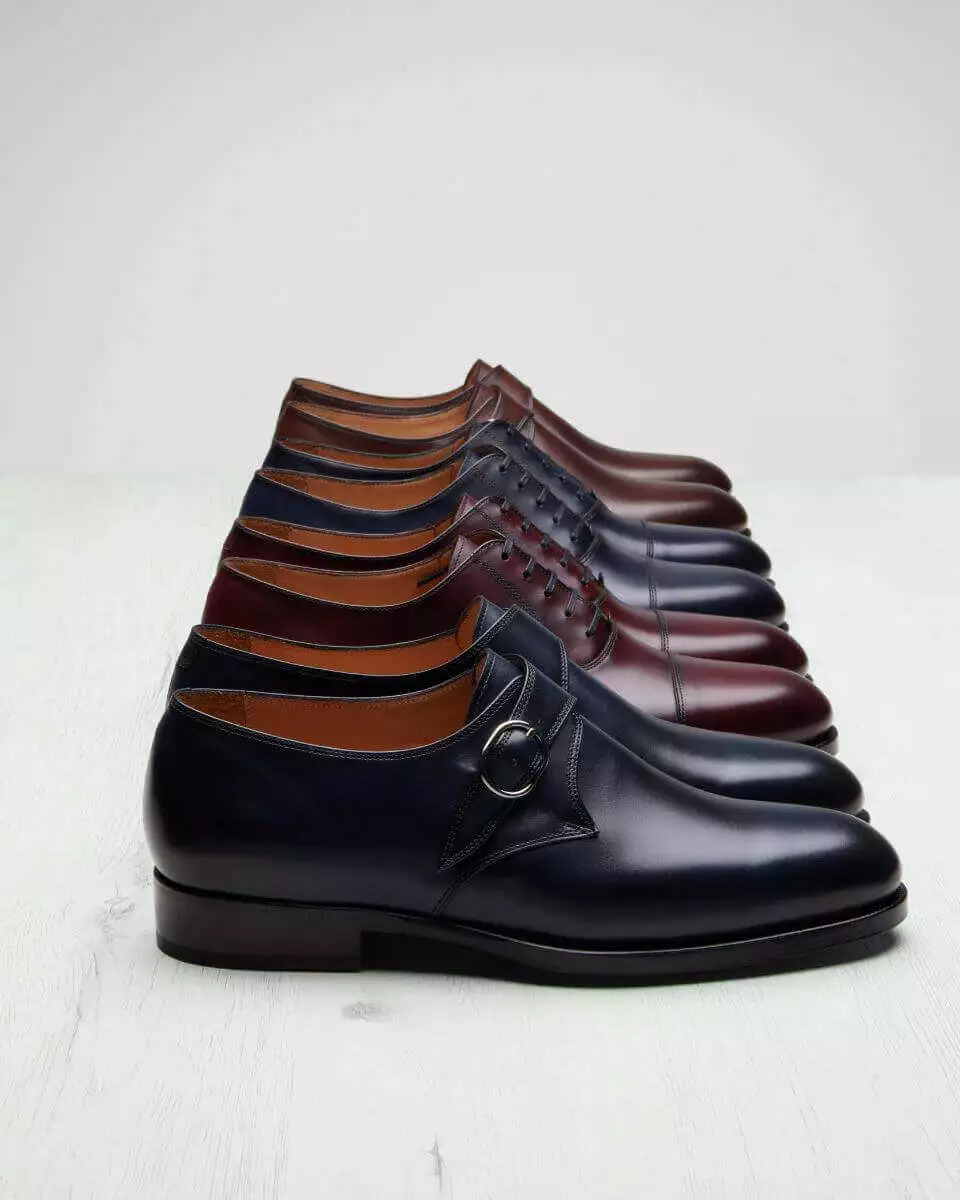
Error #5: Rushing the steps
Polishing takes time… and patience
Polishing your shoes isn’t something to rush through between errands. Each step — cleaning, applying, drying, brushing — serves a specific purpose. Skipping or hurrying one stage compromises the entire process.
For example:
- Applying cream to leather that hasn’t been properly dusted traps impurities beneath the nourishing layer.
- Not letting the cream sit long enough prevents full absorption.
- Brushing too early or too vigorously removes the polish without allowing it to penetrate.
The result: poorly nourished leather, a short-lived aesthetic effect, or even stifled leather.
Alternating your pairs, an elegant and clever gesture
To avoid rushing maintenance, here’s a simple tip: alternate your shoes. This allows each pair to dry naturally after being worn or cleaned, without having to put them back on too quickly.
Using raw wood shoe trees between wears also helps:
- To preserve the shape of the shoe,
- To absorb the foot’s natural moisture,
- And to space out more intensive cleaning sessions.
At In Corio, we promote a care approach that respects the leather… and the pace of the one who wears it.

Bonus – Other Common Mistakes to Avoid
Here are some frequent missteps that can be just as damaging to the beauty of leather:
- Polishing without cleaning: applying care products on dusty leather locks the dirt onto the surface.
- Using sprays that contain silicone: this creates an artificial film that prevents the leather from breathing.
- Drying next to a radiator: direct heat dries out and permanently weakens the material.
- Neglecting shoe trees: creased or misshapen leather ages faster.
- Never brushing after use: a light brushing at the end of the day removes dust and prevents buildup.
These habits are easy to correct, but their long-term impact is significant. Leather care doesn’t rely solely on the right products, but — above all — on consistent, proper, and respectful routines.
FAQ – The Most Frequently Asked Questions About Polishing Leather Shoes
Why should shoe polish paste alone be avoided?
→ Because it doesn't nourish the leather. Paste mainly contains waxes meant to provide shine. It doesn't penetrate the fibers and offers neither flexibility nor hydration. To care for leather, cream remains essential.
Can you polish brand new shoes?
→ Yes, but with caution. It's recommended to start by moisturizing the leather with a nourishing cream. This helps awaken the fibers after storage and prevents the surface from cracking. Glazing should be avoided on new shoes.
How often should you polish leather shoes?
→ On average, every two to three weeks, depending on how often they’re worn. The key is to adapt the frequency to actual use: exposure to rain, dust, urban friction… It's better to space out treatments but do them properly.
Is glazing harmful?
→ No, as long as it’s limited to the right areas. It should only be applied to the rigid parts of the shoe (toe and heel counter). On flexible areas, it cracks quickly and damages the surface.
Which products should be strictly avoided?
→ All products containing silicone, household detergents, or overly aggressive solutions (such as clay stone, ammonia, body lotions). These products clog the pores of the leather or irreparably damage its finish.
How can you restore over-polished or damaged leather?
→ Use a gentle cleansing milk, applying it several times until the leather regains a natural appearance. Let it rest for 24 hours, then restart a proper care routine using a suitable cream.