

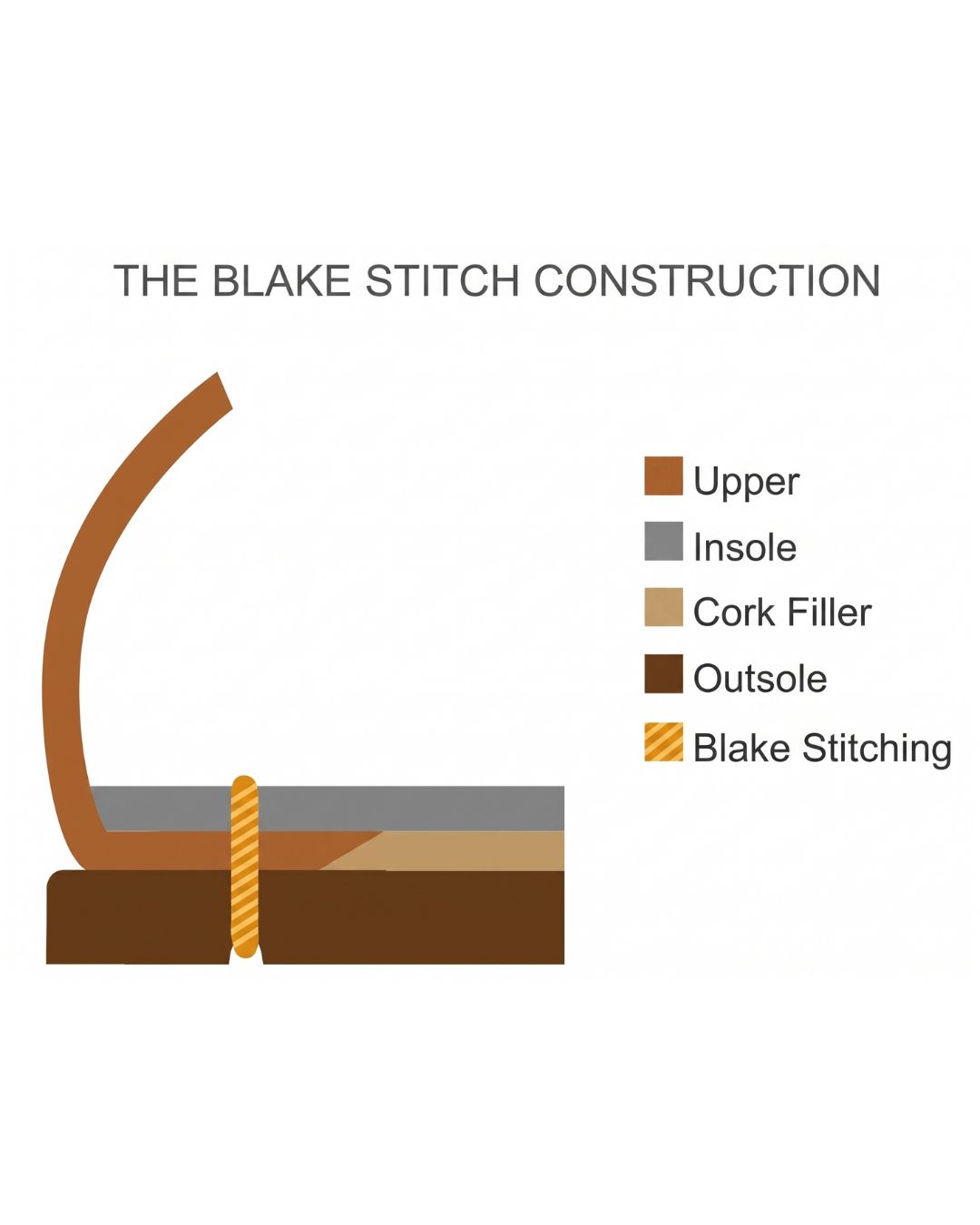
How a Blake stitched shoe is made: the In Corio signature
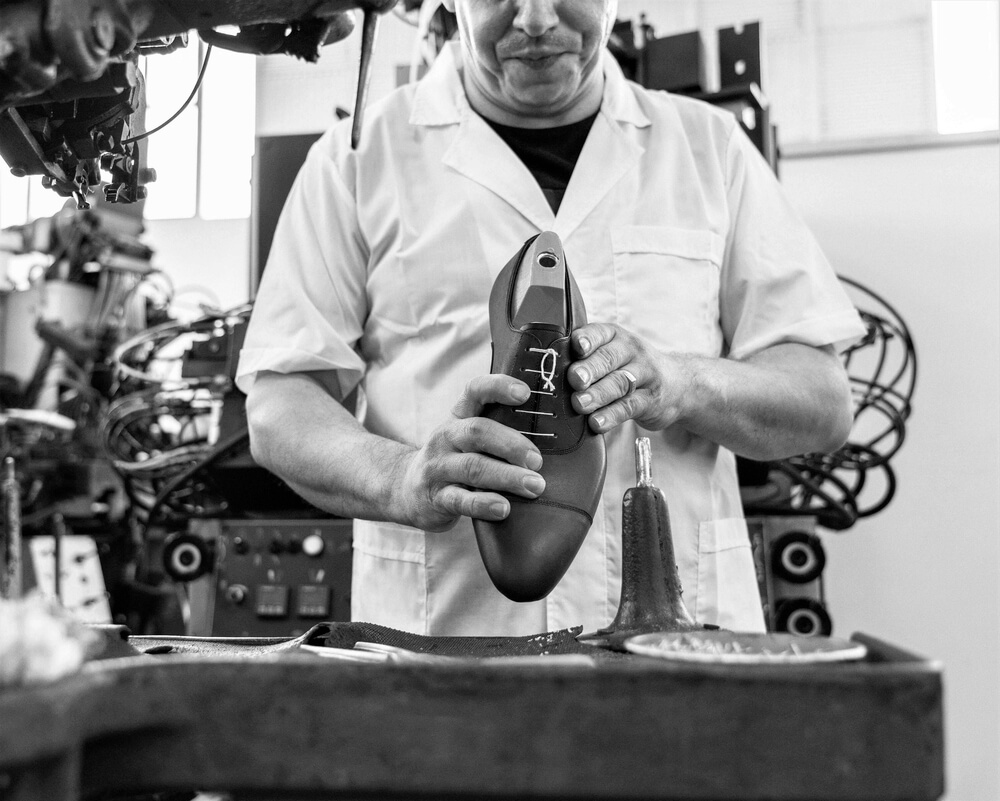
Blake stitching is defined by a direct, streamlined construction: a single seam runs right through the outsole, the insole and the leather of the upper. By doing without a welt, this construction allows slim, elongated silhouettes to be drawn.
The result is felt immediately: the shoe is light, the sole follows the roll of the foot with no painful breaking-in period, and the overall look gains in refinement.
Manufacturing precision in the service of fluidity and everyday comfort.
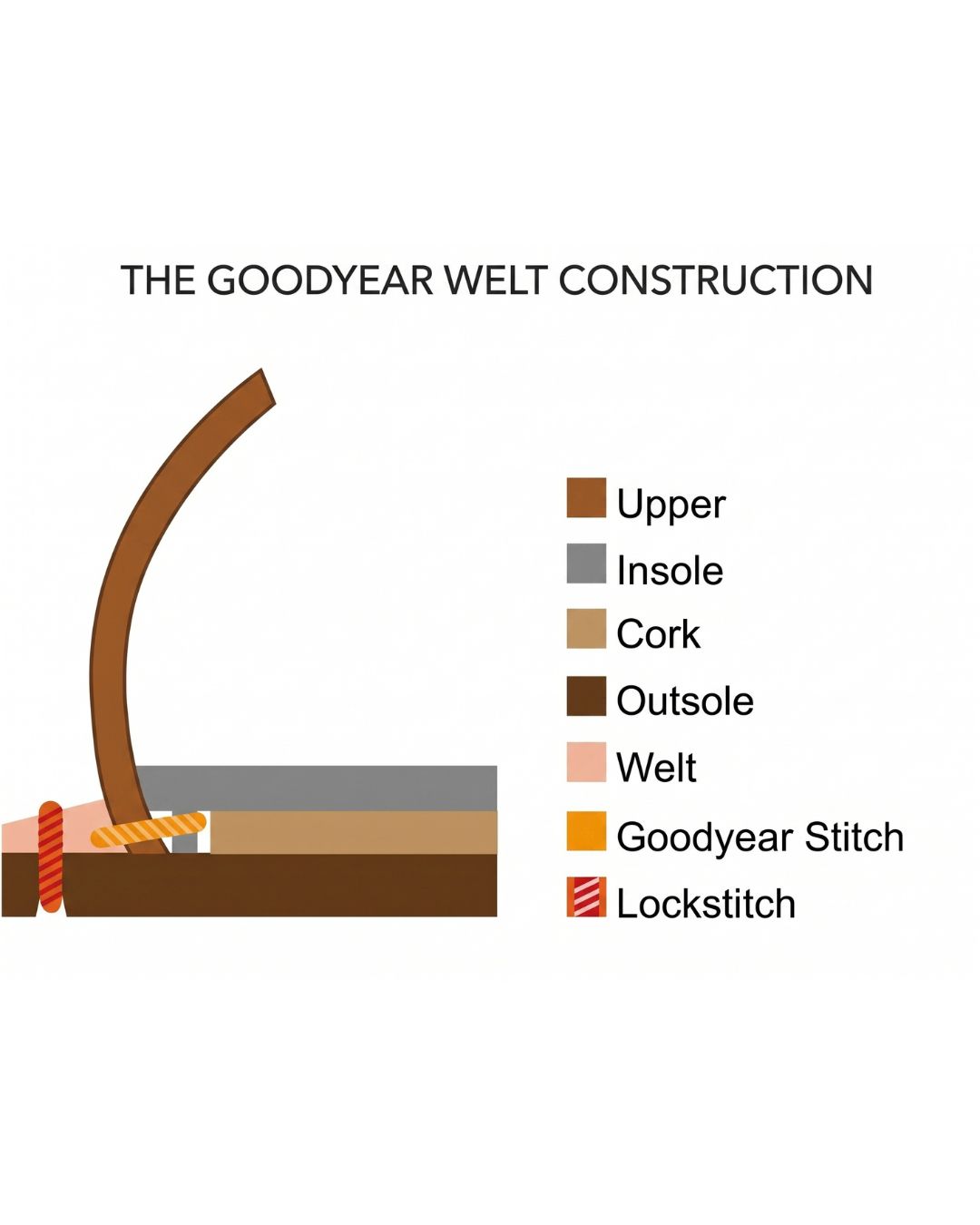
How a Goodyear welted shoe is made
Goodyear welting, for its part, uses an intermediate piece called a welt. Two separate seams are needed: the first joins the upper and the welt to the insole, while the second attaches the outsole to that same welt.
This heavier construction offers excellent water resistance but requires a longer adaptation period to soften the structure and the layer of cork beneath the foot.
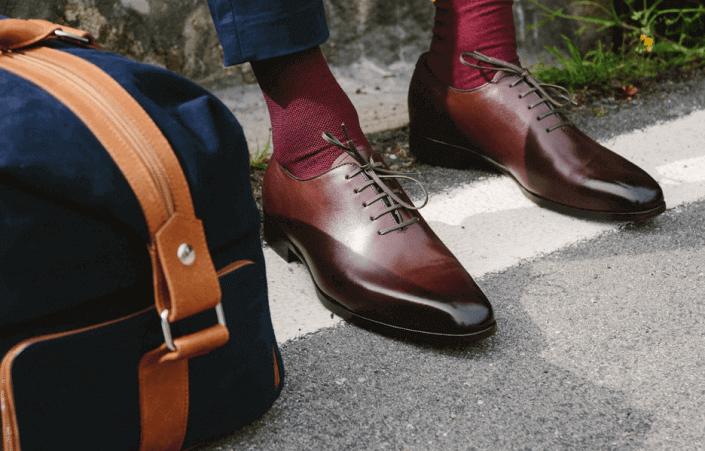
Tell one from the other in three seconds
To identify the construction quickly, here are three simple clues:
- Look at the silhouette: a slim sole with no outer overhang indicates Blake stitching.
- Check the inside: a stitching thread visible under the sock lining confirms Blake construction.
- Test the flex: Blake stitching softens from the very first steps for instant comfort.
- Look at the edges: the absence of a thick welt gives the Blake an elegant, modern profile.
At In Corio, we favour Blake stitching because it perfectly combines aesthetic finesse, lightness and proven durability for city life.
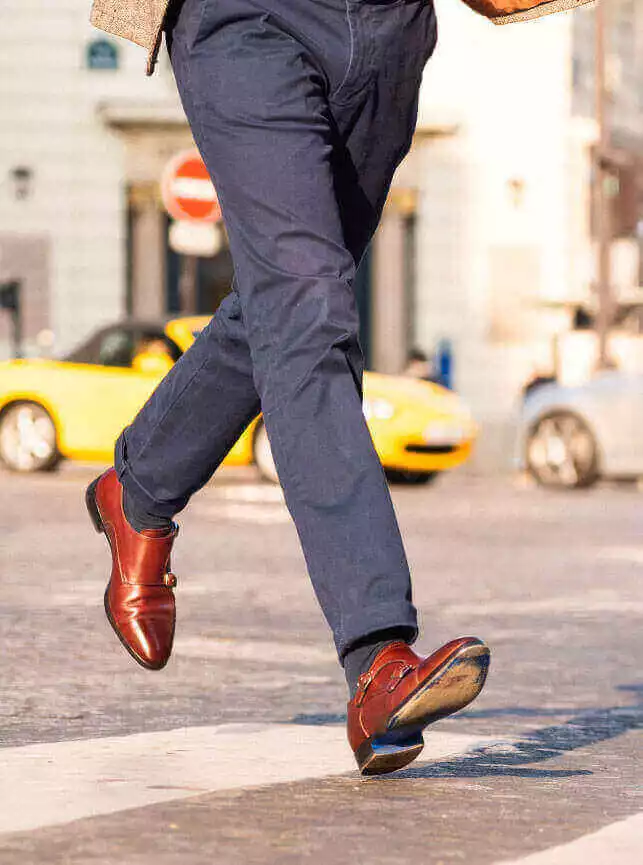
Immediate suppleness and comfort
The absence of a rigid welt allows the sole to flex naturally from the very first wear. No more weeks of sometimes uncomfortable adaptation: the shoe follows the movements of your foot straight away.
This lighter structure reduces the weight of the pair, giving a feeling of ease throughout the day, without sacrificing the hold of the leather or the support of the ankle.
Contrary to popular belief, a Blake stitched shoe can be resoled very well by a qualified cobbler. It can therefore last for many years and stay with you for a very long time. To space out resoling, have toe taps and heel plates fitted: our guide to protecting the soles of your shoes explains when and how.
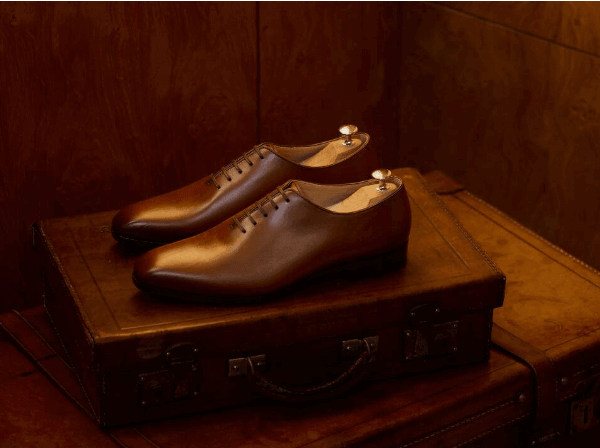
Unrivalled aesthetic finesse
The Blake technique allows the sole to sit as close as possible to the upper, drawing sleek lines and a very elongated profile. It is the construction favoured by Italian elegance for its understated, contemporary finish.
Whether to complete a formal suit or to lift a more casual outfit, the slim profile of Blake stitching brings a touch of discreet, modern elegance. In smooth leather for the city, in a velvety skin for the weekend: we explain the differences between suede, nubuck and velvet leather in a dedicated guide.
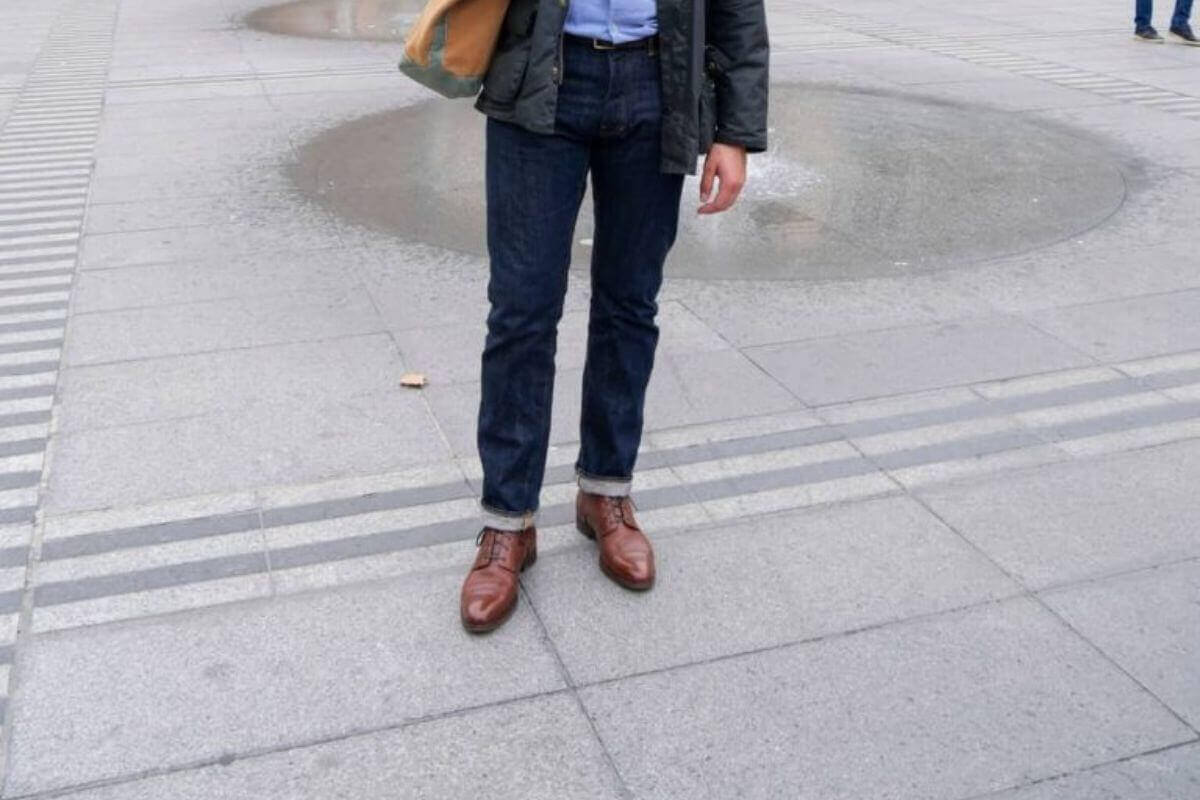
Excellent resistance for city life
Designed to be worn every day, Blake construction offers all the robustness needed for city use. Combined with carefully selected high-quality leathers, it guarantees impeccable wear over time. We present these skins in our guide to the different types of shoe leather.
In short, Blake stitching brings:
- Immediate lightness and flexibility from the very first steps.
- A clean, elongated profile of great elegance.
- The possibility of resoling the shoe to extend its life.
- Optimal comfort suited to everyday city use.
The leather of the upper still needs to be protected separately: no construction does anything against drying out. Our guide to caring for leather shoes sets out the routine and the products.
At In Corio, we put the real comfort of our customers at the centre of our creations. Blake stitching embodies our vision of a modern, pragmatic and refined luxury.
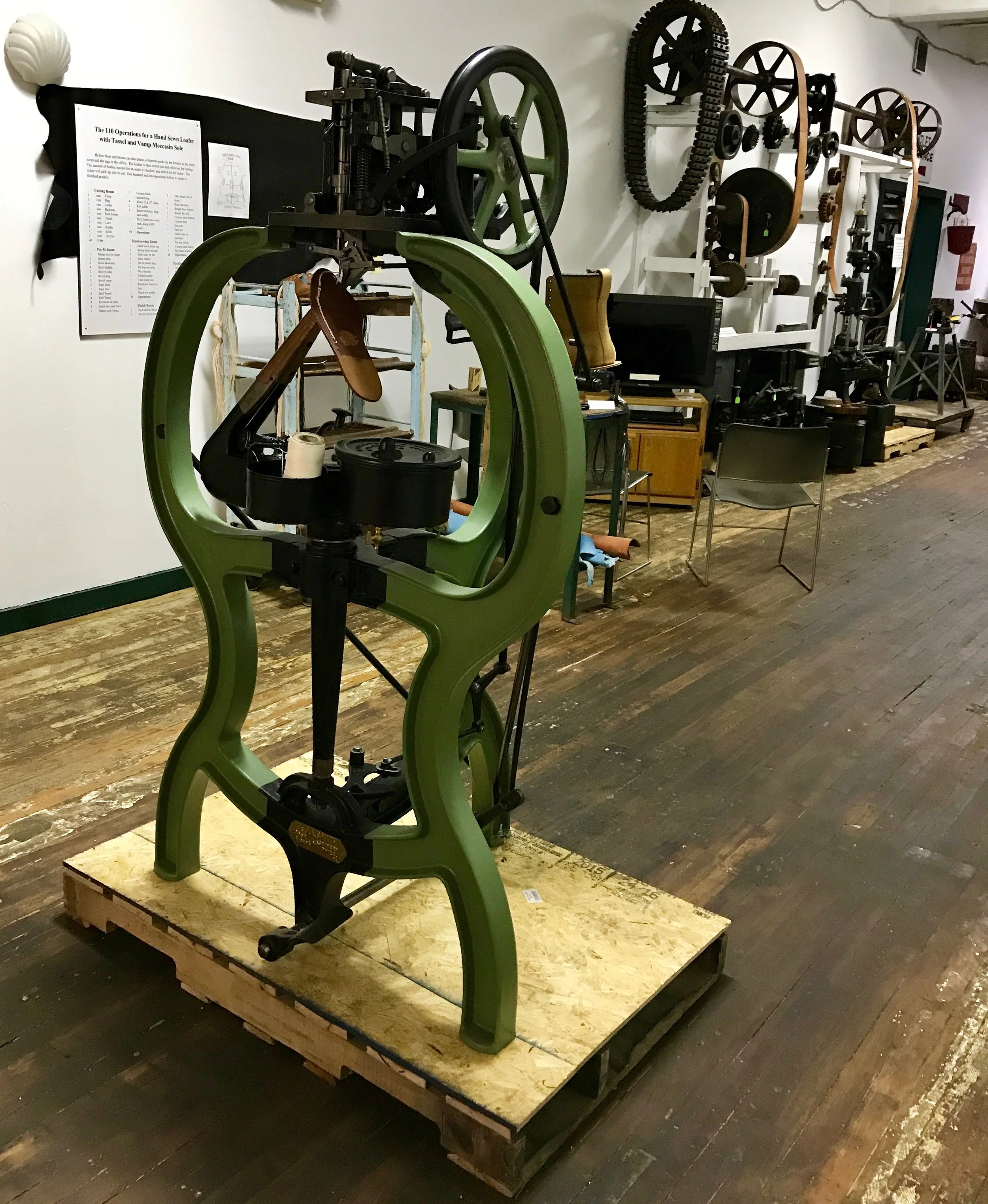
A patented industrial revolution
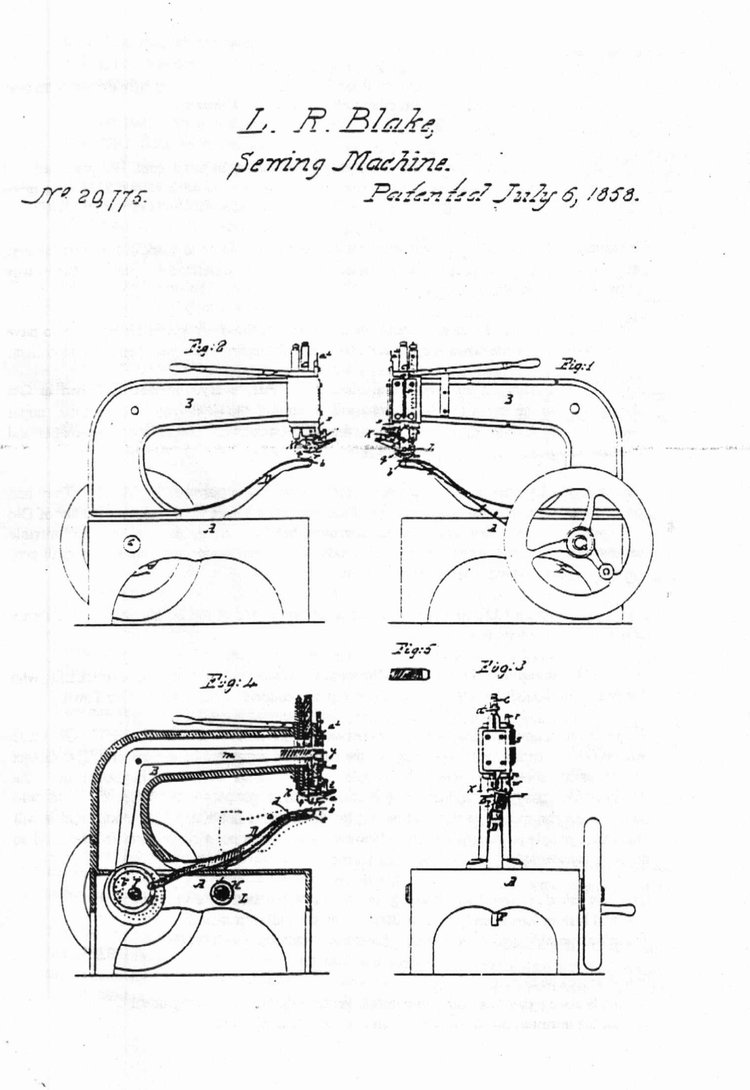
In 1858, Lyman Reed Blake invented a machine capable of stitching the sole directly to the upper. Perfected by Gordon McKay, this innovation made it possible to create shoes that were at once robust, supple and affordable, without compromising craftsmanship.
A technique much older than its machine
Stitching an upper to a welt was practised for centuries before this machine, by hand and with an awl, in workshops all over Europe. What Charles Goodyear Jr. brought was mechanisation, and with it access for the many to a construction until then reserved for bespoke work. “Goodyear welted” therefore refers to an industrial process, not an invention.
This nuance sheds light on the distinction between a Goodyear welt and a hand-welted shoe. The latter cuts its rib from the thickness of the insole; the former attaches it. Same geometry, two lifespans.
The Blake is older than the Goodyear
A surprising detail: the Blake predates the mechanised Goodyear. Lyman Blake filed his patent for a machine stitching sole and insole in 1858, before Gordon McKay bought the rights and made it an industrial standard. The Goodyear is not the ancestor of the Blake, it is its successor.
These construction choices are decided as soon as the upper is cut. Our page on how a leather shoe is made follows the steps in order.
At In Corio, we carry on this tradition by combining the precision of Blake stitching with the finest Italian and French leathers. Skins also chosen for the way they age, as explained in our guide to leather patina.